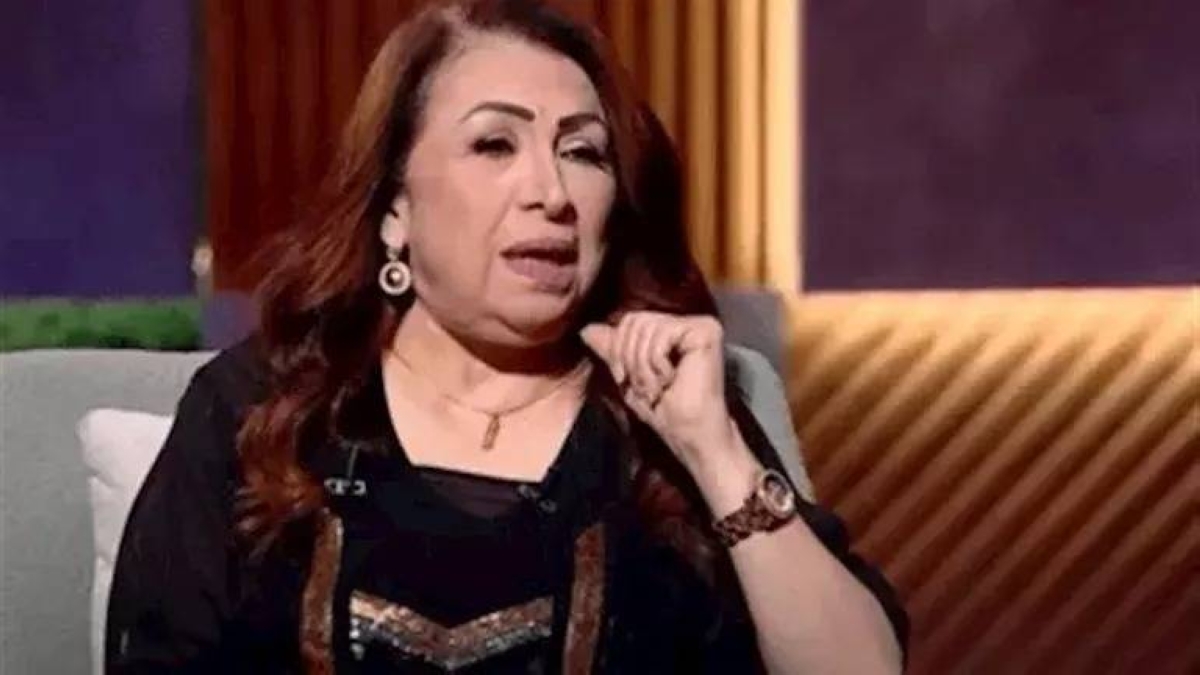
تصدرت الممثلة المصرية عبير عادل اهتمام منصات مواقع التواصل الاجتماعي في مصر، بعد تصريحات إعلامية كشفت فيها عن تحولات صادمة مرت بها بعد أن اضطُرت للعمل في بيع الوجبات المنزلية، ثم العمل سائقة مع أحد تطبيقات النقل الذكي.
وكشفت عبير عادل في لقاء تلفزيوني أن التغيرات الصادمة التي مرت بها في حياتها المهنية، دفعتها للعمل سائقة في أحد تطبيقات النقل الذكي في مصر لتغطية احتياجاتها اليومية، في أول ظهور لها بعد غياب دام 7 سنوات عن الساحة الفنية.
وروت عبير عادل تفاصيل مؤثرة كيف دفعها انقطاع الأعمال الفنية إلى البحث عن بدائل: «الفن أداني ظهره، فبدأت أبيع وجبات منزلية للأصدقاء، ثم قررت أعمل سائقة على سيارتي الخاصة، كان أول يوم مخيفاً، أول راكبة كانت امرأة رفضت تجلس بجانبي وقعدت ورا، وزادت توتري، لكن الثانية كانت لطيفة وتكلمت معايا ولم تتعرف عليّ لأنها مش مصرية».
وأضافت بفخر: «الشغل شرف لأي إنسان، مفيش حاجة عيب أو حرام، ده يحفظ كرامتي ويؤمن دخلي، ورد الفعل الإيجابي من الناس شجعني، مكنتش متخيلة إنه هيبقى بالشكل ده».
مشاهدات مليونية
وأثارت التصريحات تفاعلاً هائلاً، إذ تجاوزت مشاهدات الفيديو الملايين في ساعات، وتلقت عبير رسائل دعم من زملاء سابقين وجمهور يصفها بـ«الفنانة الشجاعة»، ما دفع اسمها ليتصدر محركات البحث مثل «قوقل» ويوتيوب، مع آلاف التعليقات التي مزجت بين الدعم والحسرة على «نجمة التسعينات» التي كانت تُعد وعداً فنياً.
وأعاد هذا الظهور إلى الأذهان أيام مجد عبير عادل في الدراما المصرية، حين لعبت دور «ميرفت» ابنة الوزير في مسلسل «لن أعيش في جلباب أبي» عام 1996، بطولة نور الشريف وعبلة كامل، وسرقت الأضواء بموهبتها الطبيعية وإشراقها الذي وعد بمستقبل فني لامع.
أعمال تلفزيونية
وبرزت عبير عادل المولودة في السبعينات، في الثمانينات والتسعينات كممثلة موهوبة في الدراما التلفزيونية، وشاركت في أعمال مثل «بكيزة وزغلول» و«القطة العمياء»، لكن شهرتها الحقيقية جاءت بدور «ابنة الوزير» في «لن أعيش في جلباب أبي»، المسلسل الكلاسيكي الذي حقق نجاحاً عربياً واسعاً.
The Egyptian actress Abeer Adel has captured the attention of social media platforms in Egypt after her media statements revealed shocking transformations she experienced after being forced to work selling homemade meals, and then as a driver for a ride-hailing app.
Abeer Adel revealed in a television interview that the shocking changes she went through in her professional life led her to work as a driver for a ride-hailing app in Egypt to cover her daily needs, marking her first appearance after a 7-year absence from the artistic scene.
Abeer Adel recounted touching details about how the interruption of her artistic career pushed her to seek alternatives: "Art turned its back on me, so I started selling homemade meals to friends, then I decided to work as a driver with my own car. The first day was terrifying; my first passenger was a woman who refused to sit next to me and sat in the back, which increased my anxiety. But the second one was nice and talked to me, not recognizing me because she wasn't Egyptian."
She added proudly: "Work is an honor for any person; there is nothing shameful or forbidden about it. It preserves my dignity and secures my income, and the positive reaction from people encouraged me. I never imagined it would be like this."
Million Views
Her statements sparked a huge reaction, as the video views exceeded millions within hours. Abeer received messages of support from former colleagues and fans who described her as a "brave artist," which propelled her name to the top of search engines like Google and YouTube, along with thousands of comments that mixed support with nostalgia for the "90s star" who was once considered a promising talent.
This appearance brought back memories of Abeer Adel's glory days in Egyptian drama when she played the role of "Mervat," the minister's daughter, in the series "I Will Not Live in My Father's Cloak" in 1996, starring Nour El Sherif and Abla Kamel, stealing the spotlight with her natural talent and radiance that promised a bright artistic future.
Television Works
Abeer Adel, born in the 1970s, emerged in the 1980s and 1990s as a talented actress in television drama, participating in works such as "Bikiza and Zaghloul" and "The Blind Cat," but her true fame came from her role as "the minister's daughter" in "I Will Not Live in My Father's Cloak," the classic series that achieved widespread Arab success.