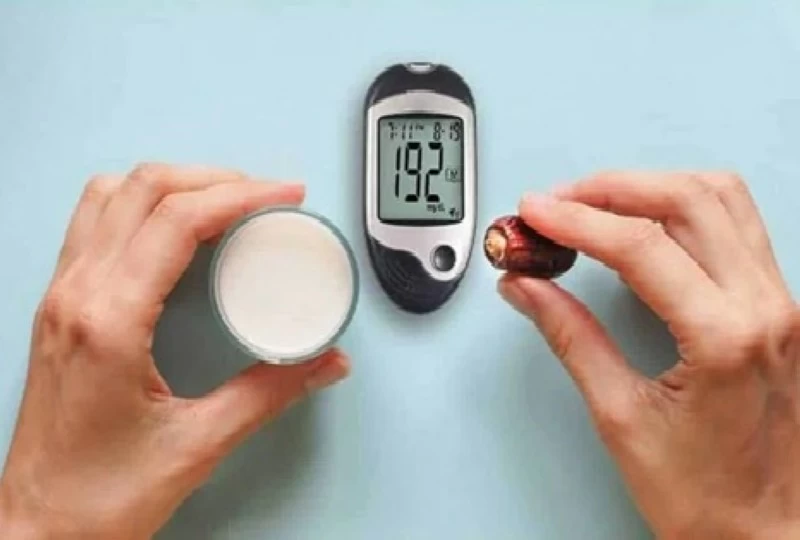
في شهر رمضان المبارك، يبرز تساؤل مهم بين مرضى السكري: هل يمكنني الصيام بأمان؟ سؤال يبدو بسيطًا لكنه يحمل مخاطر كبيرة إذا لم يتم التعامل معه بحذر.
يذهب أخصائيو التغذية العلاجية إلى أن القدرة على الصيام تعتمد على نوع السكري والحالة الصحية العامة للمريض، مشددين على ضرورة تقسيم المرضى لفئات واضحة لضمان سلامتهم خلال النهار الطويل.
من يمكنه الصيام؟
مرضى السكري من النوع الثاني يعتمدون على الأقراص فقط، ويُسمح لهم بالصيام. بل إن الصيام يساعد على تحسين حساسية الجسم للأنسولين وتقليل مقاومته، وضبط مستويات السكر. لكن يجب تنسيق جرعات الدواء مع الطبيب بناءً على نتائج السكر التراكمي لآخر 3 أشهر.
أما مرضى السكري من النوع الأول:
- الأطفال: ممنوعون من الصيام منعًا تامًا لتجنب هبوط حاد في السكر أو غيبوبة.
- الكبار: يُمنع الصيام إذا كان السكر التراكمي أعلى من 9%، أو مع تكرار نوبات الهبوط، أو في حالة التعرض السابق لغيبوبة كيتونية. ويسمح بالصيام إذا كان التراكمي أقل من 7% مع انتظام مستويات السكر وخلو المريض من مشاكل الكبد والكلى، مع ضرورة متابعة دقيقة لتعديل وحدات الأنسولين.
بروتوكول يومي للصيام الآمن
- قياس السكر: يجب قياسه أربع مرات يوميًا: قبل الإفطار، وبعد الإفطار، وقبل السحور، وبعده.
- الإفطار الفوري عند الخطر: إذا انخفض السكر عن 70 أو ارتفع عن 270، يجب الإفطار فورًا دون تردد.
وجبات مثالية للسحور والإفطار
- البداية تكون بالسوائل الخفيفة مثل الماء أو الشوربة.
- البروتينات الخفيفة مثل الدجاج أو السمك يجب أن تكون جزءًا أساسيًا من الوجبة.
- الكربوهيدرات المعقدة مثل الأرز البني أو الخبز البلدي تمنح شعورًا بالشبع لفترة أطول.
- التركيز على الخضروات الطازجة والدهون الصحية، مثل زيت الزيتون.
- تجنب العصائر المركزة، والحلويات، والمقليات، أو كميات كبيرة من النشويات دفعة واحدة.
- شرب الماء بين الوجبات أساسي للحفاظ على التوازن وترطيب الجسم.
- الالتزام الصارم بمواعيد الأدوية لتجنب أي مضاعفات مفاجئة.
الصيام ممكن وآمن لمرضى السكري، لكن النجاح يتطلب وعيًا كاملًا بالحالة الصحية، ومتابعة دقيقة، واختيار وجبات متوازنة. الصيام ليس اختبارًا فقط، بل فرصة لتحسين صحة الجسم إذا تمت إدارته بحكمة.
In the blessed month of Ramadan, an important question arises among diabetes patients: Can I fast safely? A question that seems simple but carries significant risks if not handled with caution.
Clinical nutrition specialists assert that the ability to fast depends on the type of diabetes and the overall health condition of the patient, emphasizing the need to categorize patients into clear groups to ensure their safety during the long day.
Who can fast?
Type 2 diabetes patients who rely solely on pills are allowed to fast. In fact, fasting helps improve the body's insulin sensitivity, reduce resistance, and regulate sugar levels. However, medication doses must be coordinated with a doctor based on the results of the HbA1c for the last 3 months.
As for type 1 diabetes patients:
- Children: They are completely prohibited from fasting to avoid severe drops in sugar or coma.
- Adults: Fasting is prohibited if the HbA1c is above 9%, or with frequent hypoglycemic episodes, or in cases of previous ketoacidosis. Fasting is allowed if the HbA1c is below 7% with stable sugar levels and the patient has no liver or kidney problems, with the necessity of careful monitoring to adjust insulin units.
Daily Protocol for Safe Fasting
- Blood sugar measurement: It should be measured four times a day: before iftar, after iftar, before suhoor, and after it.
- Immediate iftar in case of danger: If the sugar drops below 70 or rises above 270, one must break the fast immediately without hesitation.
Ideal Meals for Suhoor and Iftar
- Start with light fluids such as water or soup.
- Light proteins like chicken or fish should be a core part of the meal.
- Complex carbohydrates like brown rice or whole bread provide a feeling of fullness for a longer time.
- Focus on fresh vegetables and healthy fats, such as olive oil.
- Avoid concentrated juices, sweets, fried foods, or large amounts of starches at once.
- Drinking water between meals is essential to maintain balance and hydrate the body.
- Strict adherence to medication timings is necessary to avoid any sudden complications.
Fasting is possible and safe for diabetes patients, but success requires complete awareness of the health condition, careful monitoring, and choosing balanced meals. Fasting is not just a test, but an opportunity to improve the body's health if managed wisely.