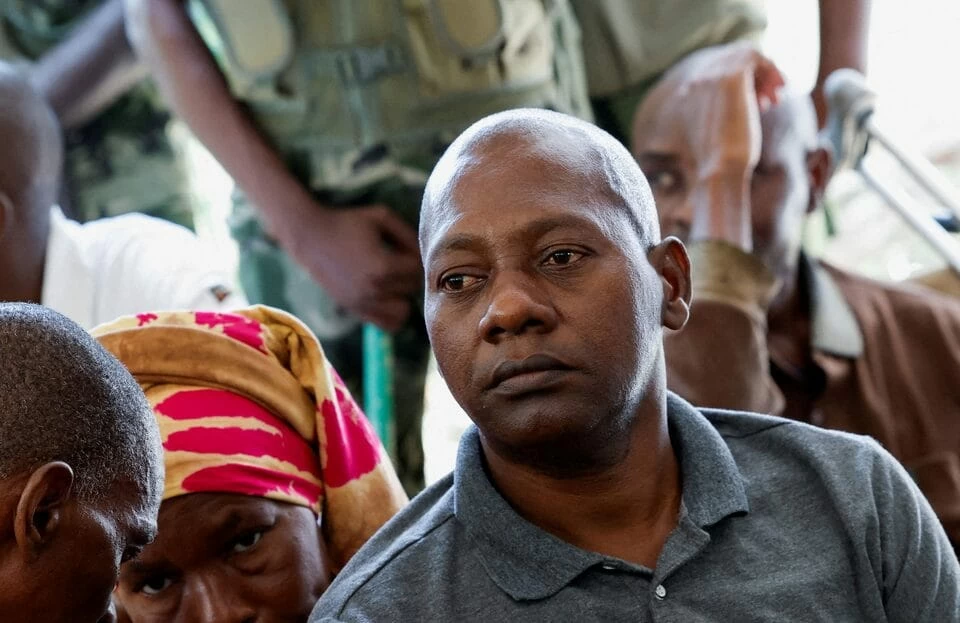
في واحدة من أبشع الجرائم المرتبطة بالطوائف الدينية في العصر الحديث، أصدرت محكمة كينية حكماً بالسجن لمدة 200 عام بحق بول ماكنزي، زعيم طائفة دينية متطرفة، بعد إدانته بالمسؤولية عن مقتل 190 طفلاً جوعاً، بعدما أمر أتباعه بتجويع أنفسهم وأطفالهم حتى الموت، اعتقاداً منهم أن ذلك سيقودهم إلى الجنة قبل نهاية العالم.
وأعلنت القاضية ديانا كافيدزا، لدى تلاوتها الحكم الصادر الجمعة، أن العقوبة تتكون من 100 عام عن جريمة القتل بالتجويع، و100 عام أخرى عن القتل العمد المباشر.
وتعود القضية إلى اكتشاف مقابر جماعية في غابة شاكاخولا قرب مدينة ماليندي الساحلية شرقي كينيا، بعدما بدأت الشرطة في أبريل 2023 العثور على جثث ضحايا يُشتبه في أنهم قضوا ضمن طقوس دينية دموية، في واقعة صدمت البلاد وأثارت غضباً واسعاً.
أوامر بالتجويع للوصول إلى الجنة
ووفقاً للنيابة العامة، كان ماكنزي يقود كنيسة مسيحية ذات توجهات مرتبطة بنهاية العالم، واتخذ من غابة قريبة من ساحل المحيط الهندي مقراً لنشاطه، حيث أقنع أتباعه بضرورة الامتناع عن الطعام حتى الموت، هم وأطفالهم، للوصول إلى الجنة قبل نهاية العالم.
ولم تقتصر الجرائم، بحسب الاتهامات، على التحريض على التجويع، إذ تولى شركاء ماكنزي تهديد الضحايا والاعتداء عليهم بالضرب لضمان تنفيذ أوامره.
وعُثر على الجثث الهزيلة موزعة داخل قبور ضحلة، وأخرى ملقاة في مراحيض حفرية، فيما دُفن بعض الضحايا أحياء، في مشاهد كشفت عن حجم المأساة التي شهدتها الغابة.
ودخل ماكنزي، مرتدياً قميصاً رمادياً وبنطالاً أسود، إلى خيمة أُقيمت خارج المحكمة لعقد جلسة النطق بالحكم، وظهر مبتسماً، رغم خطورة الاتهامات الموجهة إليه.
وكان قد أنكر تهم القتل، مدعياً أنه لم يجبر الضحايا على تجويع أنفسهم، لكن المحكمة رفضت دفاعه وأدانته.
أب فقد أطفاله الستة في المأساة
وأثارت القضية ألماً واسعاً بين أسر الضحايا، خصوصاً العائلات التي فقدت أطفالها بعدما اقتنع ذووهم بتعاليم ماكنزي.
وقال ستيفن مويتي، البالغ 48 عاماً، إنه فقد أطفاله الستة بسبب هذه الجرائم، موضحاً أن زوجته، التي أُدينت باعتبارها إحدى شريكات ماكنزي، أخذت الأطفال إلى غابة شاكاخولا، حيث تعرضوا للتجويع حتى الموت.
وتساءل مويتي، في تصريحات لوكالة «رويترز» قبل صدور الحكم: «حتى لو وافق البالغون على الصيام، ماذا عن الأطفال؟».
وأضاف أنه لن يتمكن من استعادة أطفاله مهما كانت العقوبة التي ستُفرض على ماكنزي وشركائه، معرباً عن أمله في أن يُحكم عليه بالإعدام أو السجن مدى الحياة، حتى لا تتاح له فرصة التسبب في سقوط مزيد من الضحايا.
من جانبه، قال دان ماكنزي، أحد أبناء المتهم، إن والده لم يستثنِ أفراد أسرته من تعاليمه، مشيراً إلى أنه نجا من المصير نفسه بعدما غادر الكنيسة وفقد إيمانه بتلك المعتقدات.
وأضاف لرويترز أنه فقد أصدقاء وشقيقه الأصغر في المأساة، معتبراً أن الحكم يمثل تحقيقاً للعدالة بحق من فقدوا حياتهم في غابة شاكاخولا.
448 جثة واتهامات بمقتل 500 شخص
ورغم أن المحاكمة التي صدر فيها الحكم تناولت مقتل 190 طفلاً وشخص بالغ واحد، فإن اللجنة الوطنية الكينية لحقوق الإنسان أعلنت أن عدد الجثث التي عُثر عليها في الغابة بلغ 448 جثة في المجمل.
ويواجه ماكنزي اتهامات منفصلة بالمسؤولية عن وفاة 52 شخصاً عُثر على جثثهم في موقع آخر داخل قرية تبعد نحو 30 كيلومتراً عن الغابة، ما يرفع العدد الإجمالي للضحايا المشتبه في سقوطهم إلى نحو 500 شخص، وقد دفع ببراءته في تلك القضية.
وتشبه أعداد الضحايا المحتملة في هذه القضية مذبحة طائفة دينية متطرفة في أوغندا عام 2000، التي أودت بحياة أكثر من 700 شخص، وكذلك مذبحة جونستاون في غيانا عام 1978، عندما أمر زعيم طائفة أمريكي أكثر من 900 شخص بتناول السم.
تحذيرات سابقة ومطالب بمحاسبة المسؤولين
لم يكن ماكنزي بعيداً عن أعين السلطات الكينية قبل وقوع المأساة، إذ كان موضع متابعة منذ عام 2017، عندما فتشت الشرطة مقاره.
وفي عام 2019، أغلقت السلطات كنيسته في ماليندي، لكنه انتقل بعد ذلك إلى غابة شاكاخولا القريبة، حيث استمرت أنشطته التي انتهت بكارثة إنسانية واسعة.
وأعادت اكتشافات الغابة فتح النقاش في كينيا بشأن ضرورة تشديد الرقابة على الجماعات الدينية، لمنع استغلال المعتقدات في التحريض على العنف أو تعريض حياة الأتباع للخطر.
وفي مايو 2023، شكل الرئيس الكيني ويليام روتو فريق عمل لمراجعة الإطار القانوني والتنظيمي المنظم للجماعات الدينية، كما طُرحت في عام 2024 مقترحات حكومية وأخرى أمام مجلس الشيوخ، لكنها لم تتحول حتى الآن إلى قوانين نافذة.
واعتبر أوجيرو أوديامبو، رئيس الاستجابة السريعة في اللجنة الكينية لحقوق الإنسان، أن إدانة ماكنزي تمثل خطوة مهمة، لكنها لا تكفي وحدها، مطالباً بمحاسبة أوسع تشمل المسؤولين المحليين والشرطة وأجهزة الاستخبارات والقيادات الدينية، بسبب إخفاقهم في التحرك رغم تكرار المؤشرات التحذيرية.
وقال أوديامبو إن جميع هؤلاء أخفقوا في حماية المواطنين.
وكان الرئيس روتو قد أعلن في عام 2023 تحمله المسؤولية، بصفته رئيساً للبلاد، عن إخفاق الحكومة في منع وقوع الوفيات.
In one of the most heinous crimes linked to religious sects in modern times, a Kenyan court sentenced Paul Mackenzie, the leader of an extremist religious sect, to 200 years in prison after finding him guilty of being responsible for the starvation deaths of 190 children. He had ordered his followers to starve themselves and their children to death, believing that this would lead them to paradise before the end of the world.
Judge Diana Kavedza announced the sentence on Friday, stating that the punishment consists of 100 years for the crime of murder by starvation and another 100 years for direct intentional murder.
The case dates back to the discovery of mass graves in the Shakahola forest near the coastal city of Malindi in eastern Kenya, after police began finding the bodies of victims in April 2023, suspected to have died as part of bloody religious rituals, in an incident that shocked the nation and sparked widespread outrage.
Orders to Starve to Reach Paradise
According to the prosecution, Mackenzie led a Christian church with apocalyptic beliefs and made a nearby forest along the Indian Ocean coast the base for his activities, where he convinced his followers that they must refrain from food until death, both themselves and their children, to reach paradise before the end of the world.
The crimes, according to the charges, were not limited to inciting starvation; Mackenzie's associates threatened and assaulted the victims to ensure his orders were carried out.
The emaciated bodies were found distributed in shallow graves, while others were dumped in pit latrines, and some victims were buried alive, in scenes that revealed the extent of the tragedy that occurred in the forest.
Mackenzie entered a tent set up outside the court for the sentencing session, wearing a gray shirt and black pants, and appeared smiling, despite the seriousness of the charges against him.
He had denied the murder charges, claiming he did not force the victims to starve themselves, but the court rejected his defense and convicted him.
A Father Who Lost His Six Children in the Tragedy
The case has caused widespread pain among the victims' families, especially those who lost their children after their relatives were convinced by Mackenzie's teachings.
Stephen Mwiti, 48, stated that he lost his six children due to these crimes, explaining that his wife, who was convicted as one of Mackenzie's accomplices, took the children to the Shakahola forest, where they were starved to death.
Mwiti questioned, in statements to Reuters before the verdict was announced: "Even if adults agreed to fast, what about the children?"
He added that he would not be able to get his children back no matter what punishment is imposed on Mackenzie and his associates, expressing hope that he would be sentenced to death or life imprisonment, so that he would not have the opportunity to cause more victims.
For his part, Dan Mackenzie, one of the defendant's sons, said that his father did not exempt family members from his teachings, noting that he escaped the same fate after leaving the church and losing faith in those beliefs.
He told Reuters that he lost friends and his younger brother in the tragedy, considering that the verdict represents a form of justice for those who lost their lives in the Shakahola forest.
448 Bodies and Accusations of 500 Deaths
Although the trial that resulted in the verdict addressed the deaths of 190 children and one adult, the Kenyan National Commission on Human Rights announced that the total number of bodies found in the forest reached 448.
Mackenzie faces separate charges of being responsible for the deaths of 52 people whose bodies were found at another site in a village about 30 kilometers from the forest, raising the total number of suspected victims to about 500, and he has pleaded not guilty in that case.
The potential victim numbers in this case resemble the massacre of an extremist religious sect in Uganda in 2000, which claimed the lives of over 700 people, as well as the Jonestown massacre in Guyana in 1978, when an American cult leader ordered over 900 people to drink poison.
Previous Warnings and Calls for Accountability
Mackenzie was not far from the eyes of the Kenyan authorities before the tragedy, as he had been under surveillance since 2017 when police searched his premises.
In 2019, authorities closed his church in Malindi, but he then moved to the nearby Shakahola forest, where his activities continued, culminating in a large-scale humanitarian disaster.
The discoveries in the forest have reopened the discussion in Kenya about the need to tighten oversight of religious groups to prevent the exploitation of beliefs to incite violence or endanger the lives of followers.
In May 2023, Kenyan President William Ruto formed a task force to review the legal and regulatory framework governing religious groups, and in 2024, government proposals and others were presented to the Senate, but they have not yet been enacted into law.
Ojiambo Odhiambo, head of rapid response at the Kenyan National Commission on Human Rights, stated that Mackenzie's conviction represents an important step, but it is not enough on its own, calling for broader accountability that includes local officials, police, intelligence agencies, and religious leaders for their failure to act despite repeated warning signs.
Odhiambo said that all of these failed to protect citizens.
President Ruto had announced in 2023 that he takes responsibility, as the head of state, for the government's failure to prevent the deaths.