حذرت منظمة الصحة العالمية من استمرار انتشار الحمى الصفراء في أفريقيا، معلنة تسجيل 67 إصابة في بوركينا فاسو، والكاميرون، وجمهورية أفريقيا الوسطى، وكوت ديفوار، وغانا، وغينيا، وليبيريا، وتوجو، ونيجيريا.
وحذرت المنظمة من أن حركة السكان عبر الحدود وانتشار البعوض الناقل للمرض وتفاوت معدلات التغطية بالتطعيم تزيد مخاطر انتقال العدوى واتساع نطاق انتشارها. وصنّفت المنظمة مستوى المخاطر الصحية المرتبطة بالتفشي الحالي بأنه متوسط على المستوى الإقليمي، ومنخفض على المستوى العالمي.
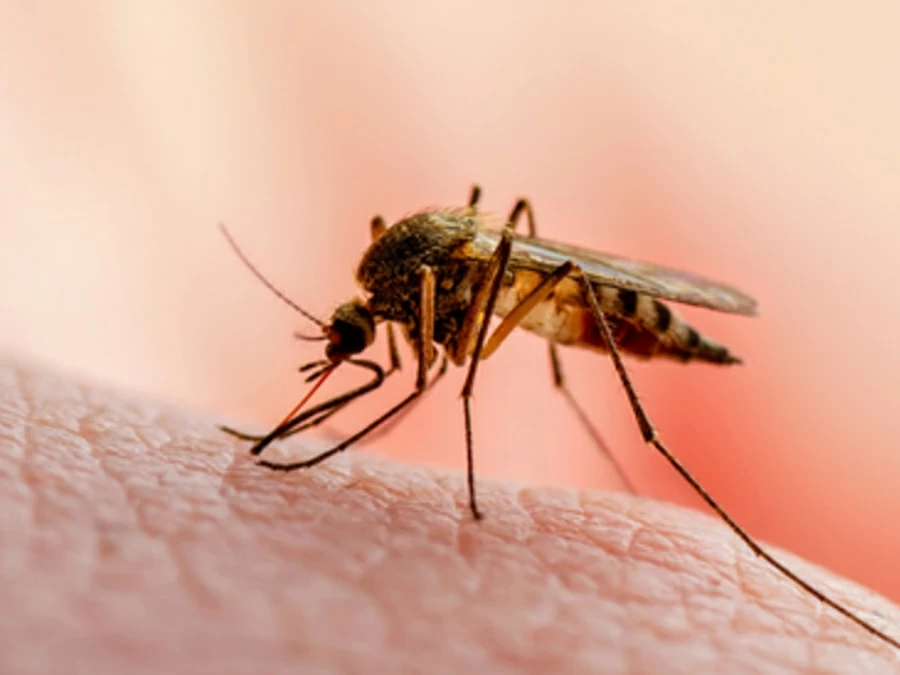
وتنتقل الحمى الصفراء إلى الإنسان عبر لدغات البعوض المصاب، وتتراوح فترة حضانة الفيروس بين 3 و6 أيام، وتشمل أعراضه الحمى والصداع وآلام العضلات والغثيان والقيء، وقد تتطور الحالات الشديدة إلى اليرقان والنزيف وفشل بعض الأعضاء.
وأكدت المنظمة أن التطعيم يمثل الوسيلة الأساسية للوقاية من المرض، إذ توفر جرعة واحدة من اللقاح حماية طويلة الأمد، إلى جانب أهمية مكافحة البعوض وتعزيز إجراءات الترصد الوبائي.
وتشير تقديرات المنظمة إلى أن الحمى الصفراء تتسبب سنويًا في عشرات الآلاف من الإصابات الشديدة والوفيات، ويتركز العبء الأكبر للمرض في القارة الأفريقية.
The World Health Organization has warned of the continued spread of yellow fever in Africa, announcing 67 cases reported in Burkina Faso, Cameroon, the Central African Republic, Côte d'Ivoire, Ghana, Guinea, Liberia, Togo, and Nigeria.
The organization warned that population movement across borders, the spread of the disease-carrying mosquitoes, and varying vaccination coverage rates increase the risks of transmission and the extent of its spread. The organization classified the health risk level associated with the current outbreak as moderate at the regional level and low at the global level.
Yellow fever is transmitted to humans through the bites of infected mosquitoes, with an incubation period of 3 to 6 days. Symptoms include fever, headache, muscle pain, nausea, and vomiting, and severe cases may progress to jaundice, bleeding, and organ failure.
The organization emphasized that vaccination is the primary means of preventing the disease, as a single dose of the vaccine provides long-term protection, along with the importance of mosquito control and strengthening epidemiological surveillance measures.
Estimates from the organization indicate that yellow fever causes tens of thousands of severe cases and deaths annually, with the largest burden of the disease concentrated in the African continent.