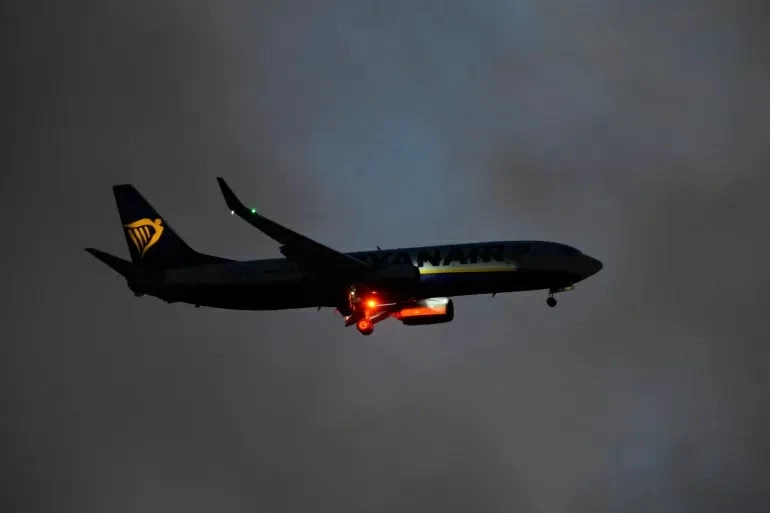
تعيش حركة الطيران في القارة الأوروبية أياماً عصيبة بعد أن تحولت سماء القارة إلى مسرح للاستنفار الأمني والتوتر الشديد، على وقع موجة واسعة وغير مسبوقة من تهديدات وبلاغات «القنابل الكاذبة» التي استهدفت عشرات الرحلات التجارية عبر أكثر من 11 دولة.
وفي الوقت الذي تنفس فيه المسافرون الصعداء بعد تبدد كابوس الموت، فتحت هذه الموجة باباً واسعاً من التساؤلات حول أسرار ما وصفته تقارير غربية بـ«الحرب الهجينة» التي تستهدف زعزعة الاستقرار في القارة العجوز.
ماذا جرى في الأجواء الأوروبية؟
لم تكن التهديدات مجرد بلاغات عابرة، بل خلفت حالة من الإرباك الواسع في قطاع النقل الجوي، وتكشف الأرقام الرسمية حجماً مرعباً للتأثير:
- أكثر من 35 رحلة جوية طالتها الإنذارات المباشرة منذ بداية الأسبوع.
- إجراءات طارئة: أدت البلاغات إلى تحويل مسار العديد من الطائرات قسراً، أو إجبارها على الهبوط الاضطراري في مطارات وقواعد بديلة.
- شلل وتأخير: خضعت عشرات الرحلات لعمليات تفتيش أمني دقيقة ومعقدة باستخدام الكلاب المدربة وخبراء المفرقعات.
خريطة الرعب
امتدت رقعة الاستنفار الأمني لتشمل عواصم ومطارات حيوية في أكثر من 11 دولة، منها:
- إسبانيا: تعرض مطار «مدريد باراخاس» وعدة رحلات لتهديدات مباشرة.
- فرنسا وإيطاليا: شهدتا هبوطاً اضطرارياً لطائرات تابعة لشركات شهيرة (مثل «ريان إير»، «ويز إير»، و«إير لينغوس»)، تخللها في بعض الأحيان مرافقة جوية من مقاتلات حربية كإجراء احترازي صارم.
- دول أخرى: دخلت كل من الدنمارك، والتشيك، وبولندا، ورومانيا، وبلغاريا، وإيرلندا في حالة تأهب قصوى للتعامل مع رسائل استهدفت طائرات تحلق في أجوائها.
- النتيجة المطمئنة: أكدت السلطات الأمنية وشركات الطيران بشكل قاطع أن عمليات التفتيش الشاملة أثبتت عدم وجود أي متفجرات، وأن جميع الإنذارات كانت «كاذبة ومغرضة».
كواليس الإعلام الأوروبي
سلطت كبرى الصحف ووكالات الأنباء العالمية (مثل The Guardian ووكالة فرانس برس ورويترز) الضوء على خفايا هذه الأزمة، كاشفة عن أربعة محاور رئيسية:
- شبح «الحرب الهجينة» يلاحق أوروبا
اعتبرت صحيفة The Guardian أن هذه الموجة ليست مجرد مزاح ثقيل، بل تعيد إحياء المخاوف من تكتيكات «الحرب الهجينة» وزعزعة البنية التحتية للنقل. وترجح الأجهزة الأمنية وجود شبكات منظمة أو جهات خارجية تقف خلف تنسيق هذه التهديدات لاستنزاف الطاقات الأمنية وإثارة الفوضى، رغم حرص المفوضية الأوروبية على التأكيد بأنه «من المبكر الجزم بالجهة المسؤولة».
- رسائل غريبة بشعارات متطرفة
نشرت صحيفة Corriere della Sera الإيطالية نصوصاً لرسائل إلكترونية تلقاها مطار روما، وُصفت بأنها «مكتوبة بلغة رديئة» وحملت تهديدات ذات طابع متطرف ومناهض لما سُمي بـ«النظام النسوي»، مع إشارات لجماعات مثل حركة «Male State» الروسية المتطرفة. ورغم ذلك، ترجح الاستخبارات أن تكون هذه الشعارات مجرد «محاولات تضليل» وأسماء وهمية لإثارة الرأي العام.
- إقلاع المقاتلات الحربية والتعامل «بصفر مخاوف»
رصدت التقارير الإعلامية مشاهد دراماتيكية لإقلاع مقاتلات حربية لسماء فرنسا وبلغاريا لمواكبة الطائرات المهددة. وفي المقابل، شددت شرطة ومطارات التشيك وبريطانيا على قاعدة أساسية: «نتعامل مع كل بلاغ بأقصى درجات الحزم والإخلاء، حتى لو بدا منخفض المصداقية»، لضمان عدم ترك أي ثغرة أمنية قد تعرض حياة المدنيين للخطر.
- لماذا استُهدفت الطائرات منخفضة التكلفة؟
لاحظت الصحف الاقتصادية أن الحصة الأكبر من الاستهداف تركزت على شركات الطيران منخفضة التكلفة (مثل «ريان إير» و«ويز إير») ومطارات مركزية كبرى، وهو ما يوحي باختيار مقصود لتعظيم التأثير الإعلامي، وإحداث أكبر قدر ممكن من الضجة وإرباك حركة ملايين المسافرين.
في الوقت الذي تستمر فيه الأجهزة الأمنية والاستخباراتية الأوروبية في تبادل المعلومات المكثفة لتفكيك خيوط هذه الشبكات وتحديد الواقفين خلفها، تبقى درجات التأهب واليقظة في المطارات الأوروبية عند مستوياتها القصوى، بانتظار ما ستكشفه التحقيقات القادمة.
The aviation movement in the European continent is experiencing tough days after the skies of the continent have turned into a stage for security alerts and heightened tension, following an unprecedented wave of threats and reports of "fake bombs" targeting dozens of commercial flights across more than 11 countries.
As travelers breathed a sigh of relief after the nightmare of death dissipated, this wave opened a wide door of questions about the secrets of what Western reports described as a "hybrid war" aimed at destabilizing the old continent.
What happened in European airspace?
The threats were not just passing reports; they caused widespread confusion in the air transport sector, and official figures reveal a terrifying scale of impact:
- More than 35 flights were affected by direct alerts since the beginning of the week.
- Emergency measures: The reports forced many aircraft to change their routes or make emergency landings at alternative airports and bases.
- Paralysis and delays: Dozens of flights underwent thorough and complex security inspections using trained dogs and explosives experts.
The Map of Terror
The area of security alert extended to include capitals and vital airports in more than 11 countries, including:
- Spain: Madrid Barajas Airport and several flights faced direct threats.
- France and Italy: Experienced emergency landings of aircraft belonging to well-known companies (such as Ryanair, Wizz Air, and Aer Lingus), sometimes accompanied by military jets as a strict precautionary measure.
- Other countries: Denmark, the Czech Republic, Poland, Romania, Bulgaria, and Ireland entered a state of maximum alert to deal with messages targeting aircraft flying in their airspace.
- The reassuring result: Security authorities and airlines firmly confirmed that comprehensive inspections proved there were no explosives, and all alerts were "false and malicious."
Behind the Scenes of European Media
Major newspapers and global news agencies (such as The Guardian, AFP, and Reuters) shed light on the intricacies of this crisis, revealing four main axes:
- The specter of the "hybrid war" haunts Europe
The Guardian considered that this wave is not just a heavy joke, but revives fears of "hybrid war" tactics and the destabilization of transport infrastructure. Security agencies suspect the existence of organized networks or external parties behind the coordination of these threats to drain security resources and create chaos, despite the European Commission's insistence that "it is too early to determine the responsible party."
- Strange messages with extremist slogans
The Italian newspaper Corriere della Sera published texts of emails received by Rome Airport, described as "written in poor language" and carrying threats of an extremist nature against what was termed the "feminist system," with references to groups like the extremist Russian movement "Male State." Nevertheless, intelligence suggests that these slogans may be mere "disinformation attempts" and fictitious names to stir public opinion.
- Scrambling fighter jets and dealing with "zero fears"
Media reports captured dramatic scenes of fighter jets taking off from the skies of France and Bulgaria to accompany the threatened aircraft. In contrast, the police and airports in the Czech Republic and Britain emphasized a fundamental rule: "We treat every report with the utmost firmness and evacuation, even if it seems low in credibility," to ensure no security gaps that could endanger civilian lives.
- Why were low-cost airlines targeted?
Economic newspapers noted that the majority of the targeting focused on low-cost airlines (such as Ryanair and Wizz Air) and major central airports, suggesting a deliberate choice to maximize media impact and create as much noise and confusion as possible for millions of travelers.
As European security and intelligence agencies continue to exchange intensive information to dismantle the threads of these networks and identify those behind them, the levels of alertness and vigilance at European airports remain at their highest, awaiting what the upcoming investigations will reveal.