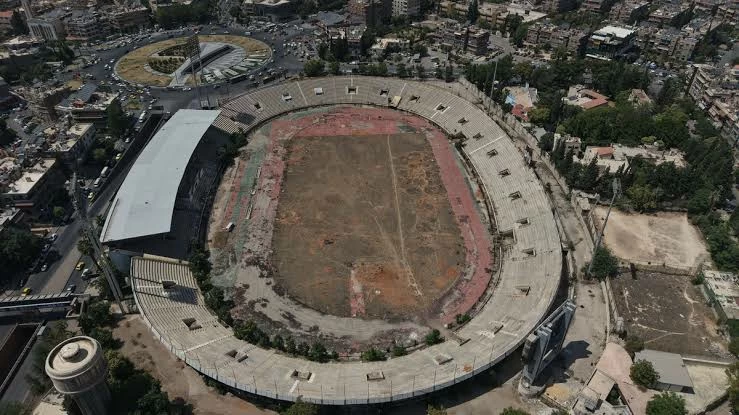
ليس في قلب العاصمة السورية دمشق مجرد منشأة رياضية فقدت دورها خلال سنوات الحرب، بل تحول، وفق تحقيق استقصائي جديد، إلى موقع عسكري استخدمته قوات نظام بشار الأسد السابق لإدارة عمليات عسكرية وقصف أحياء سكنية مجاورة، في واحدة من الوقائع التي تكشف توظيف المنشآت المدنية في الصراع السوري.
ستاد الديكتاتور
نقلت وكالة الأنباء السورية، اليوم (الجمعة)، عن كشف تحقيق بعنوان «ستاد الديكتاتور»، نشرته صحيفة «الموقف الرياضي»، نقلاً عن وثائق عسكرية وأمنية عُثر عليها داخل الملعب، تحمل إشارات إلى تشكيلات تابعة للنظام السابق، بينها الحرس الجمهوري والفرقة الرابعة والمخابرات الجوية ومكتب الأمن الوطني، فضلاً عن آثار دماء وحبل مشنقة في بعض مرافق المنشأة.
وتعيد هذه المعطيات فتح ملف عسكرة المنشآت المدنية خلال حكم الأسد، وتسليط الضوء على كيفية تحويل مرافق يفترض أن تكون فضاءات عامة للرياضة والحياة الاجتماعية إلى مواقع مرتبطة بالعمليات العسكرية والأمنية.
ثكنة عسكرية داخل ملعب رياضي
وبحسب التحقيق، بدأت مظاهر عسكرة ملعب العباسيين عام 2011، عندما أُبلغت إدارته بتحويل المنشأة إلى موقع عسكري. وقال مدير الملعب، إياد سلطان، إن مجموعات عسكرية دخلت إلى الموقع مصحوبة بالدبابات والمعدات، وفرضت قيوداً على دخول العاملين وحركتهم، التي أصبحت خاضعة لإشراف العسكريين.
وامتد الوجود العسكري إلى الصالات والأبنية المحيطة، حيث أُقيمت المتاريس ونُصبت مرابض الهاون، فيما عُثر لاحقاً على بطاقات تسليم أسلحة وأوامر مهمات مرتبطة بأجهزة وتشكيلات أمنية وعسكرية مختلفة.
وتكتسب الوثائق أهمية خاصة لارتباطها بمؤسسات كانت تشكل جزءاً من البنية العسكرية والأمنية للنظام السابق، غير أن تحديد طبيعة الأدوار التي أدتها تلك التشكيلات داخل الملعب يتطلب فحص المستندات والتحقق من تواريخها ومضمونها.
منصة لقصف جوبر
وفي شهادة أخرى، قال معاون وزير الرياضة والشباب السوري جمال الشريف، إن قوات النظام السابق استخدمت الملعب مركزاً عسكرياً ومنصة لقصف الأحياء المجاورة، خصوصاً حي جوبر شرقي دمشق.
ولم تتوقف آثار الاستخدام العسكري عند تغيير وظيفة المنشأة، بل طالت بنيتها الرياضية؛ إذ تحدث مدير الملعب عن تدمير صالات المصارعة والجودو والكاراتيه والملاكمة، بعدما تحولت أجزاء من المجمع إلى استخدامات عسكرية.
واستعاد اللاعب الدولي السابق نبيل الشحمة ذكرياته مع الملعب، واصفاً عودته إليه بعد سنوات بأنها تجربة صادمة، بعدما وجد المنشأة التي احتضنت مباريات كروية وجماهير غفيرة وقد تبدلت معالمها.
آثار وانتهاكات تطالب بالتوثيق
من جهته، قال مدير الشبكة السورية لحقوق الإنسان، فضل عبد الغني، إن عسكرة الملعب انعكست على المدنيين في محيطه، وأسهمت في نزوح بعض السكان، مشيراً إلى أن الشبكة وثقت انتهاكات طالت رياضيين معارضين للنظام السابق، بينها الاعتقال والتعذيب والقتل تحت التعذيب.
وأشار التحقيق إلى العثور على آثار دماء وحبل مشنقة في بعض مرافق الملعب، وهي معطيات تفتح تساؤلات بشأن ما شهدته المنشأة خلال سنوات استخدامها العسكري، لكنها تظل بحاجة إلى تحقيق جنائي مستقل وفحوص فنية لتحديد مصدرها والوقائع المرتبطة بها.
وتتجاوز دلالات قضية ملعب العباسيين حدود منشأة رياضية استُخدمت لأغراض عسكرية؛ فهي تطرح أسئلة أوسع بشأن مصير المنشآت المدنية التي جرى إخضاعها للعمليات العسكرية خلال الحرب السورية، ومسؤولية الجهات التي استخدمتها، وضرورة حفظ الأدلة ومحاسبة المسؤولين عن الانتهاكات التي يمكن إثباتها.
وبين مدرجات كانت تعج بالمشجعين ومرافق تحولت إلى مواقع عسكرية، يقدم ملعب العباسيين نموذجاً لما خلفته سنوات الحرب من تدمير للفضاءات المدنية، ويعيد فتح ملف الانتهاكات التي تنتظر التوثيق والمساءلة.
In the heart of the Syrian capital, Damascus, there is not just a sports facility that lost its role during the years of war, but it has transformed, according to a new investigative report, into a military site used by the forces of the former Bashar al-Assad regime to manage military operations and shell neighboring residential areas, in one of the incidents that reveal the use of civilian facilities in the Syrian conflict.
The Dictator's Stadium
The Syrian news agency reported today (Friday) on the findings of an investigation titled "The Dictator's Stadium," published by the newspaper "Al-Mawqif Al-Riyadi," which cited military and security documents found inside the stadium, bearing references to formations affiliated with the former regime, including the Republican Guard, the Fourth Division, Air Intelligence, and the National Security Bureau, in addition to traces of blood and a noose in some parts of the facility.
This information reopens the file on the militarization of civilian facilities during Assad's rule, shedding light on how spaces that are supposed to be public areas for sports and social life have been transformed into sites linked to military and security operations.
A Military Barracks Inside a Sports Stadium
According to the investigation, the militarization of the Abbasiyyin Stadium began in 2011 when its management was informed of the conversion of the facility into a military site. The stadium director, Iyad Sultan, stated that military groups entered the site accompanied by tanks and equipment, imposing restrictions on the entry and movement of workers, which became subject to military oversight.
The military presence extended to the halls and surrounding buildings, where barricades were erected and mortar positions were set up, while later, delivery slips for weapons and mission orders related to various security and military agencies were found.
The documents hold particular significance due to their connection to institutions that were part of the military and security structure of the former regime; however, determining the nature of the roles played by those formations within the stadium requires examining the documents and verifying their dates and content.
A Platform for Bombing Jobar
In another testimony, the Syrian Assistant Minister of Sports and Youth, Jamal Al-Sharif, stated that the former regime's forces used the stadium as a military center and a platform for shelling neighboring areas, particularly the Jobar neighborhood in eastern Damascus.
The effects of military use did not stop at changing the facility's function but also affected its sports infrastructure; the stadium director spoke of the destruction of the wrestling, judo, karate, and boxing halls after parts of the complex were repurposed for military uses.
Former international player Nabil Al-Shahma recalled his memories with the stadium, describing his return after years as a shocking experience, having found the facility that once hosted football matches and large crowds transformed.
Traces and Violations Demand Documentation
For his part, the director of the Syrian Network for Human Rights, Fadel Abdul Ghani, stated that the militarization of the stadium reflected on the civilians in its vicinity and contributed to the displacement of some residents, pointing out that the network documented violations against athletes opposing the former regime, including arrest, torture, and death under torture.
The investigation pointed to the discovery of traces of blood and a noose in some parts of the stadium, which raises questions about what the facility witnessed during its military use, but it still requires an independent criminal investigation and technical examinations to determine their source and the associated incidents.
The implications of the Abbasiyyin Stadium case go beyond a sports facility used for military purposes; it raises broader questions about the fate of civilian facilities that were subjected to military operations during the Syrian war, the responsibility of the entities that used them, and the necessity of preserving evidence and holding accountable those responsible for the violations that can be proven.
Amidst the stands that were once filled with fans and facilities that have turned into military sites, the Abbasiyyin Stadium presents a model of the destruction of civilian spaces left in the wake of years of war, reopening the file of violations that await documentation and accountability.