مع دخول عملية "فجر اليمن" شهرها الثاني، واتساع المواجهات العسكرية في الجوف ومأرب وتعز والساحل الغربي، تتكشف أبعاد أخرى للتهديد الذي تمثله مليشيا الحوثي، تتجاوز الجبهات اليمنية إلى الضفة المقابلة من البحر الأحمر.
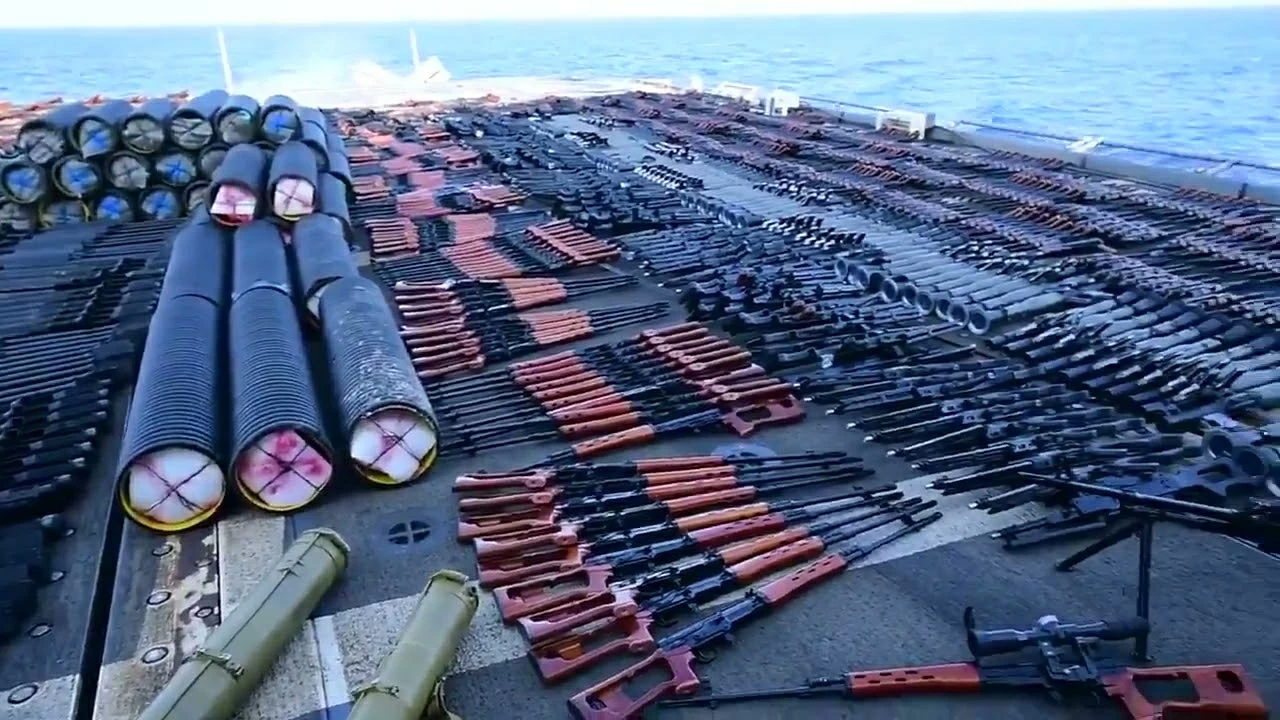
فبينما تواجه الجماعة ضغوطاً عسكرية متصاعدة في الداخل، تشير تقارير أمنية وأممية إلى شبكة من الاتصالات والأنشطة المرتبطة بتهريب الأسلحة والتدريب والتنسيق مع تنظيمات مسلحة في القرن الأفريقي، ضمن مسار يمنح إيران فرصاً إضافية لتوسيع نفوذها، في واحد من أكثر الممرات البحرية حساسية في العالم. وتعيد التطورات الميدانية الأخيرة تسليط الضوء على طبيعة المشروع الحوثي وامتداداته الإقليمية، خصوصاً مع إعلان مجلس القيادة الرئاسي اليمني، في بيان بمناسبة مرور شهر على انطلاق «فجر اليمن»، تنفيذ أكثر من 40 ألف عملية استهداف منذ الخامس من أكتوبر الماضي، ضمن حملة عسكرية تستهدف إضعاف قدرات المليشيا واستعادة مؤسسات الدولة والمواقع الإستراتيجية.
نفوذ يتجاوز الحدود
بدأت ملامح النشاط الحوثي في القرن الأفريقي من خلال شبكات التهريب التقليدية، التي تربط السواحل اليمنية بالصومال وجيبوتي وإريتريا، قبل أن تتخذ هذه العلاقات طابعاً أكثر تنظيماً عقب سيطرة المليشيا على صنعاء عام 2014. ومع تطور قدراتها الصاروخية واستخدام الطائرات المسيّرة، اكتسبت تلك الشبكات أهمية متزايدة في حسابات النفوذ العسكري والأمني. وتشير تقارير متخصصة إلى مساعٍ حوثية لبناء قنوات اتصال مع مجموعات مسلحة وشخصيات محلية في عدد من دول القرن الأفريقي، مستفيدة من حركة التجارة غير النظامية والتهريب والهجرة، إلى جانب الظروف الأمنية المعقدة التي تشهدها بعض دول المنطقة. وتكتسب هذه التحركات خطورتها من الموقع الجغرافي للقرن الأفريقي، الذي يشرف على الممرات البحرية المتصلة بمضيق باب المندب وخليج عدن، حيث تمر خطوط تجارية حيوية تربط الأسواق الآسيوية بأوروبا، وأي توسع لنشاط الجماعات المسلحة على ضفتي البحر الأحمر يرفع احتمالات اضطراب الملاحة، ويزيد الأعباء الأمنية والاقتصادية على دول المنطقة وشركات النقل البحري.
تحالفات السلاح والتنظيمات المتطرفة
وتبرز العلاقة بين الحوثيين وحركة الشباب الصومالية، بوصفها أحد أبرز المؤشرات على اتساع النشاط الحوثي خارج اليمن. وكشف فريق الخبراء التابع للأمم المتحدة، في تقريره الصادر عام 2025، عن تنامي التعاون بين الطرفين في تهريب الأسلحة والتدريب الفني وتبادل الدعم اللوجستي، محذراً من انعكاسات هذه العلاقة على الأمن والاستقرار الإقليمي. وتفيد المعلومات التي جمعها الخبراء بأن التعاون شمل تبادل الخبرات العسكرية وتطوير القدرات المرتبطة بالأسلحة والعمليات الميدانية، في وقت تسعى فيه حركة الشباب إلى تعزيز ترسانتها وتوسيع مصادر تسليحها. وتعيد هذه العلاقة إلى الواجهة المخاوف من انتقال تقنيات الطائرات المسيّرة والمتفجرات إلى تنظيمات تنشط في بيئات أمنية مضطربة، وما قد يترتب على ذلك من تصاعد الهجمات المسلحة وتهديد الموانئ والمنشآت الحيوية وحركة السفن في خليج عدن والمحيط الهندي. وكانت تقارير أمنية يمنية تحدثت عن دور شخصيات حوثية في إدارة الاتصالات مع مجموعات أفريقية، من بينها عبدالواحد ناجي أبو راس، الذي ورد اسمه في تقرير نشره مرصد مكافحة الجريمة المنظمة وغسل الأموال عام 2024، باعتباره من الشخصيات المرتبطة بملف التوسع الخارجي للجماعة.
الحرس الثوري وحسابات طهران
ويحضر الدور الإيراني في خلفية هذا التمدد، من خلال الدعم العسكري والتقني والارتباطات التي تجمع الحوثيين بالحرس الإيراني. وتمنح هذه العلاقة طهران قدرة على التأثير في التوازنات الأمنية المحيطة بالبحر الأحمر، خصوصاً مع تصاعد التوترات الإقليمية واتساع أهمية الممرات البحرية في حسابات المواجهة. وتشير تقارير أممية إلى استمرار نشاط عناصر وخبراء أجانب في المناطق الخاضعة لسيطرة الحوثيين، وتقديم المشورة الفنية المرتبطة بالصواريخ والطائرات المسيّرة، فيما تحتفظ الجماعة بأجهزتها المحلية المسؤولة عن إدارة العمليات والتحركات الميدانية. ومن خلال هذا التداخل، تتسع قدرة إيران على ممارسة الضغط عبر حلفائها المسلحين، مع بقاء مستويات مختلفة من المسؤولية المباشرة عن الأنشطة المنفذة على الأرض. وتزداد أهمية هذه المعادلة في ظل الترابط الاستراتيجي بين مضيقي هرمز وباب المندب، إذ يشكل أي اضطراب متزامن في الممرين تهديداً واسعاً لإمدادات الطاقة والتجارة العالمية، ويضع أمن الملاحة الدولية أمام تحديات تتجاوز حدود الصراع اليمني.
الحديدة والضفة الأفريقية
تحتل الحديدة موقعاً هاماً للغاية في حسابات الحوثيين، بحكم إشرافها على البحر الأحمر وارتباطها بالطرق الداخلية المؤدية إلى مناطق سيطرة الجماعة. وتمنحها هذه الجغرافيا أهمية عسكرية ولوجستية، خصوصاً مع استمرار المواجهات على امتداد الساحل الغربي. وعلى الضفة الأفريقية، تتيح السواحل الممتدة من إريتريا إلى الصومال مسارات بحرية متعددة، تتداخل فيها الأنشطة التجارية المشروعة مع شبكات تهريب السلاح والبشر. وتوفر هذه البيئة فرصاً للجماعات المسلحة والوسطاء غير النظاميين، مستفيدين من تفاوت القدرات الرقابية والتحديات الأمنية في بعض المناطق. وفي السودان، تضيف الحرب المستمرة وتعقيدات السيطرة على الموانئ والطرق البرية تحديات جديدة إلى أمن البحر الأحمر، فيما تمنح الجغرافيا الإريترية، القريبة من باب المندب، أهمية خاصة لأي نشاط عابر للسواحل. وتثير هذه المعطيات مخاوف من توظيف المناطق الهشة أمنياً في بناء شبكات إمداد وارتباطات مسلحة، خصوصاً مع تزايد الحاجة إلى مراقبة حركة الأسلحة والمعدات ذات الاستخدام العسكري بين ضفتي البحر الأحمر.
«فجر اليمن» ومستقبل الشبكات الحوثية
ومع استمرار عملية "فجر اليمن"، تتجه الأنظار إلى قدرة القوات الحكومية على إضعاف البنية العسكرية للحوثيين، وتأمين المناطق المستعادة، وقطع طرق الإمداد التي تساعد الجماعة على تعويض خسائرها. وتكتسب التطورات في الجوف ومأرب وتعز والساحل الغربي أهمية خاصة، نظراً إلى ارتباط هذه الجبهات بخطوط الحركة والإمداد والمواقع العسكرية التي تعتمد عليها الجماعة في إدارة عملياتها. وفي المقابل، تضع الضغوط الميدانية المتزايدة الحوثيين أمام تحديات تتعلق بالمحافظة على قدراتهم العسكرية وشبكاتهم الخارجية، وسط احتمالات اللجوء إلى التصعيد البحري أو توسيع التعاون مع أطراف مسلحة خارج اليمن لتعزيز أوراق الضغط. وتشير هذه التطورات إلى أن معالجة التهديد الحوثي ترتبط بمسارين متوازيين؛ الأول يتصل باستعادة مؤسسات الدولة اليمنية وسيطرتها على أراضيها ومنافذها، والثاني يرتبط بتعزيز التعاون الإقليمي والدولي لمراقبة شبكات التهريب ومنع انتقال الأسلحة والخبرات العسكرية إلى التنظيمات المتطرفة. ومع اتساع رقعة المواجهة في اليمن، تتزايد أهمية القرن الأفريقي في الحسابات الأمنية للمنطقة.
As the "Yemen Dawn" operation enters its second month, and military confrontations expand in Al-Jawf, Marib, Taiz, and the western coast, other dimensions of the threat posed by the Houthi militia are emerging, extending beyond the Yemeni frontlines to the opposite shore of the Red Sea.
While the group faces escalating military pressures domestically, security and international reports indicate a network of communications and activities related to arms smuggling, training, and coordination with armed groups in the Horn of Africa, within a framework that provides Iran with additional opportunities to expand its influence in one of the world's most sensitive maritime corridors. Recent field developments are shedding light on the nature of the Houthi project and its regional extensions, especially with the announcement by the Yemeni Presidential Leadership Council, in a statement marking one month since the launch of "Yemen Dawn," that more than 40,000 targeting operations have been carried out since October 5, as part of a military campaign aimed at weakening the militia's capabilities and restoring state institutions and strategic locations.
Influence Beyond Borders
The signs of Houthi activity in the Horn of Africa began through traditional smuggling networks linking the Yemeni coasts to Somalia, Djibouti, and Eritrea, before these relationships took on a more organized nature following the militia's control of Sana'a in 2014. With the development of their missile capabilities and the use of drones, these networks gained increasing importance in military and security influence calculations. Specialized reports indicate Houthi efforts to build communication channels with armed groups and local figures in several Horn of Africa countries, taking advantage of irregular trade, smuggling, and migration, alongside the complex security conditions experienced by some countries in the region. These movements gain their seriousness from the geographical location of the Horn of Africa, which overlooks maritime corridors connected to the Bab el-Mandeb Strait and the Gulf of Aden, where vital trade routes linking Asian markets to Europe pass. Any expansion of armed group activities on both sides of the Red Sea raises the likelihood of maritime disruption and increases the security and economic burdens on regional countries and shipping companies.
Arms Alliances and Extremist Organizations
The relationship between the Houthis and the Somali Al-Shabaab movement stands out as one of the most prominent indicators of the expansion of Houthi activity outside Yemen. A United Nations expert team revealed in its 2025 report the growing cooperation between the two parties in arms smuggling, technical training, and logistical support exchange, warning of the implications of this relationship on regional security and stability. Information gathered by the experts indicates that the cooperation included the exchange of military expertise and the development of capabilities related to weapons and field operations, at a time when Al-Shabaab is seeking to enhance its arsenal and expand its sources of armament. This relationship brings back concerns about the transfer of drone technologies and explosives to organizations operating in unstable security environments, and the potential escalation of armed attacks threatening ports, vital facilities, and shipping movements in the Gulf of Aden and the Indian Ocean. Yemeni security reports have mentioned the role of Houthi figures in managing communications with African groups, including Abdul Wahid Naji Abu Ras, whose name appeared in a report published by the Organized Crime and Money Laundering Observatory in 2024, as one of the figures linked to the group's external expansion file.
The Revolutionary Guard and Tehran's Calculations
The Iranian role is present in the background of this expansion, through military and technical support and the connections that link the Houthis to the Iranian Revolutionary Guard. This relationship gives Tehran the ability to influence the security balances surrounding the Red Sea, especially with the escalation of regional tensions and the increasing importance of maritime corridors in confrontation calculations. UN reports indicate the continued activity of foreign elements and experts in areas controlled by the Houthis, providing technical advice related to missiles and drones, while the group retains its local apparatus responsible for managing operations and field movements. Through this overlap, Iran's ability to exert pressure through its armed allies expands, while maintaining varying levels of direct responsibility for activities carried out on the ground. The importance of this equation increases in light of the strategic interconnection between the Strait of Hormuz and Bab el-Mandeb, as any simultaneous disruption in both corridors poses a broad threat to energy supplies and global trade, presenting international navigation security with challenges that exceed the boundaries of the Yemeni conflict.
Al-Hudaydah and the African Shore
Al-Hudaydah occupies a highly significant position in Houthi calculations, given its oversight of the Red Sea and its connection to internal routes leading to areas under the group's control. This geography grants it military and logistical importance, especially with ongoing confrontations along the western coast. On the African shore, the coasts extending from Eritrea to Somalia provide multiple maritime routes, where legitimate commercial activities intertwine with arms and human trafficking networks. This environment offers opportunities for armed groups and informal intermediaries, benefiting from varying regulatory capacities and security challenges in some areas. In Sudan, the ongoing war and complexities in controlling ports and land routes add new challenges to the security of the Red Sea, while Eritrea's geography, close to Bab el-Mandeb, gives special importance to any cross-coastal activity. These data raise concerns about the exploitation of security-vulnerable areas in building supply networks and armed connections, especially with the increasing need to monitor the movement of arms and military-use equipment between the shores of the Red Sea.
"Yemen Dawn" and the Future of Houthi Networks
As the "Yemen Dawn" operation continues, attention turns to the ability of government forces to weaken the military structure of the Houthis, secure the reclaimed areas, and cut off supply routes that help the group compensate for its losses. Developments in Al-Jawf, Marib, Taiz, and the western coast gain particular importance, given the connection of these fronts to movement and supply lines and the military sites that the group relies on to manage its operations. Conversely, the increasing field pressures place the Houthis before challenges related to maintaining their military capabilities and external networks, amid the likelihood of resorting to maritime escalation or expanding cooperation with armed parties outside Yemen to enhance their leverage. These developments indicate that addressing the Houthi threat is linked to two parallel paths: the first relates to restoring Yemeni state institutions and their control over their territories and outlets, while the second is connected to enhancing regional and international cooperation to monitor smuggling networks and prevent the transfer of arms and military expertise to extremist organizations. As the confrontation in Yemen expands, the importance of the Horn of Africa in the region's security calculations increases.