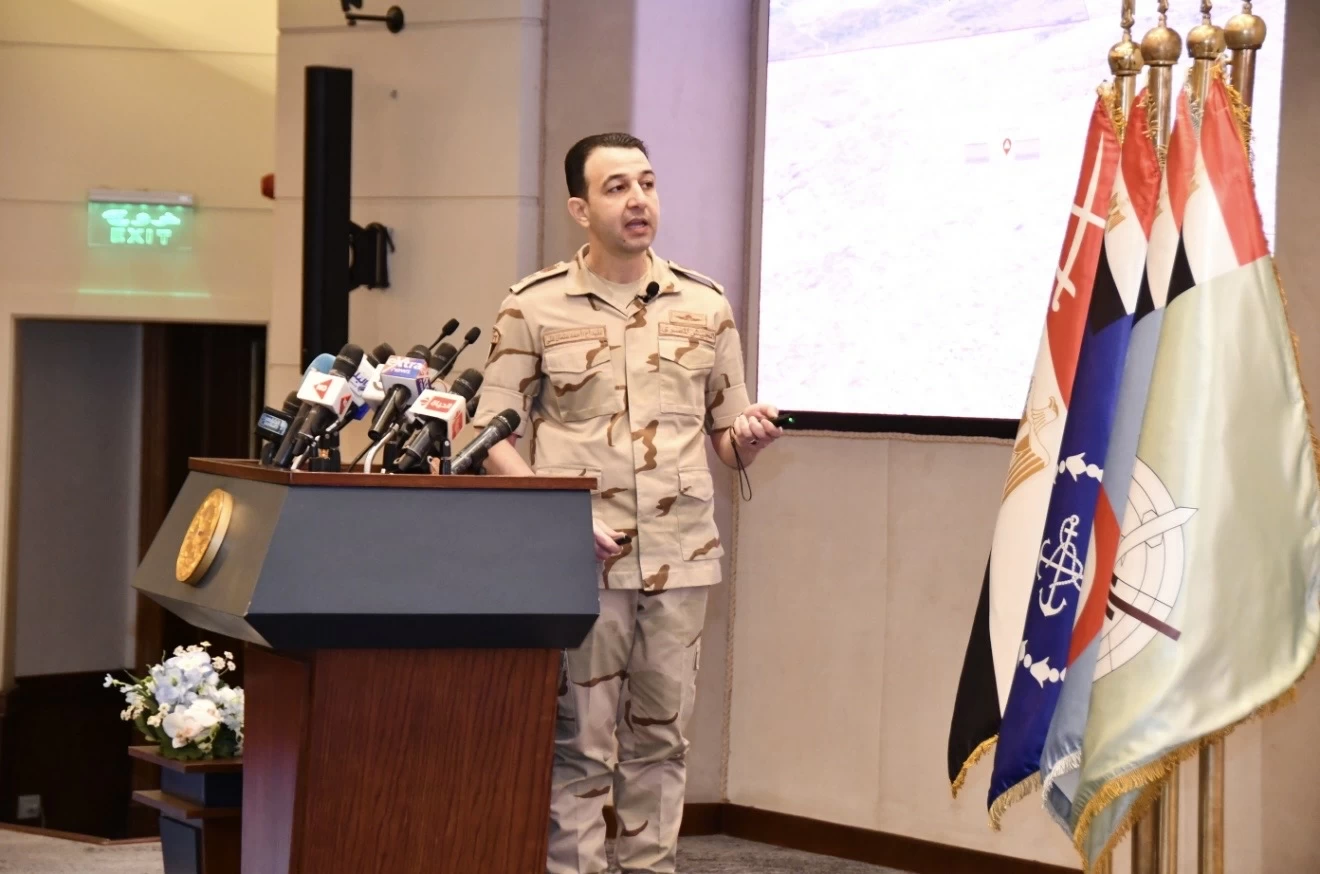
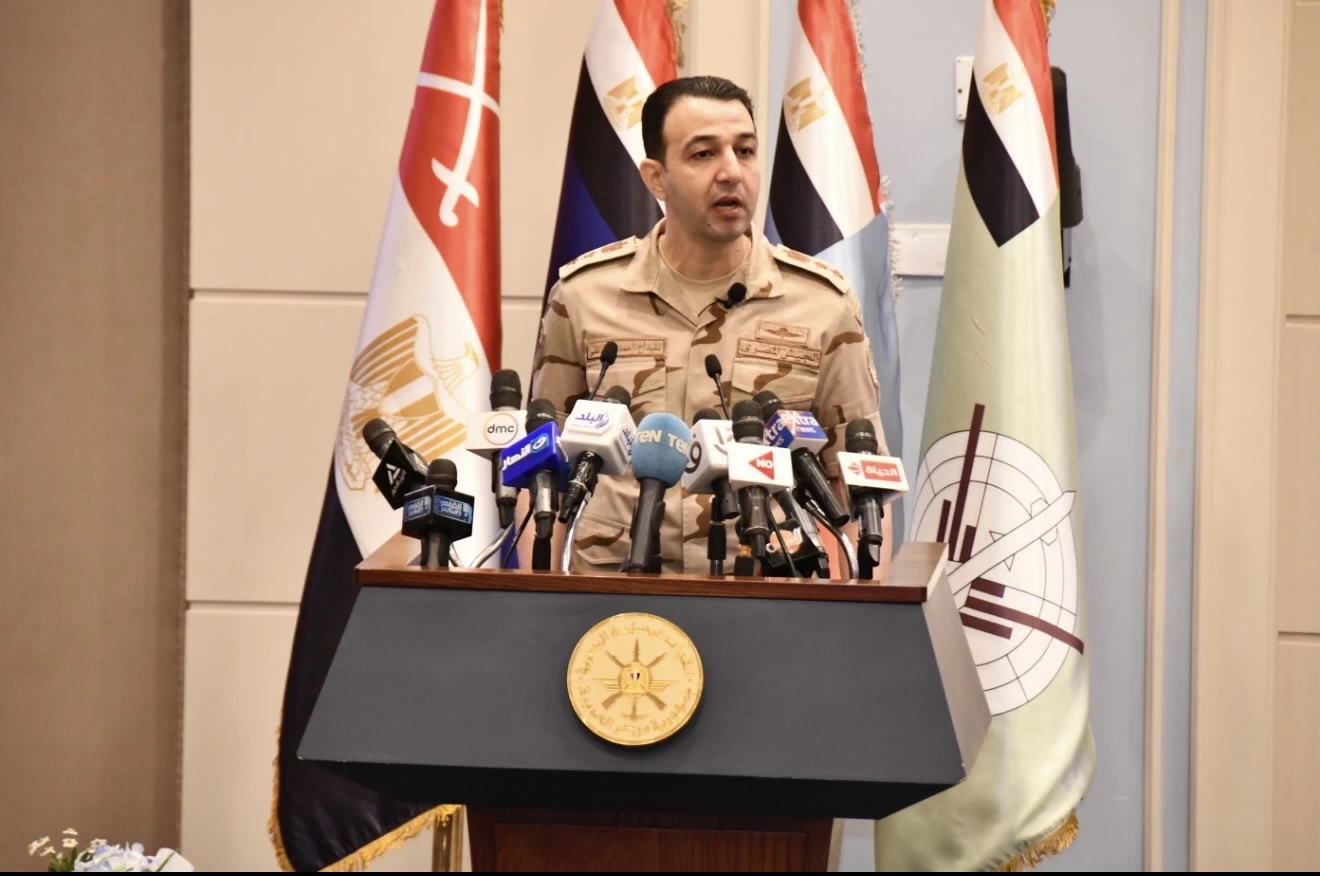
أعلن المتحدث العسكري المصري، العقيد أركان حرب أحمد عتمان، مقتل العقيد أحمد سمير، رئيس أركان حرس حدود المنطقة الجنوبية، والمقدم أحمد جودة، رئيس عمليات إحدى كتائب حرس الحدود العاملة بنطاق المنطقة الجنوبية العسكرية، خلال مواجهة مسلحة مع عناصر إجرامية متورطة في التنقيب غير المشروع عن خام الذهب، في تطور أمني بالغ الخطورة شهدته مناطق العمليات بالصحراء الشرقية.
وأوضح عتمان، خلال مؤتمر صحفي، أن الواقعة جاءت في إطار حملة عسكرية موسعة تحمل اسم «درع الجنوب»، نفذتها القوات المسلحة بالتعاون مع قوات إنفاذ القانون والجهات المعنية، لمواجهة التنقيب غير القانوني عن الذهب، وتأمين الحدود الجنوبية، وحماية الثروات الطبيعية من الاستنزاف.
شبكات تنقيب وتهريب سلاح ومخدرات
وكشف المتحدث العسكري أن الحملة لم تقتصر على ضبط المتورطين في عمليات التعدين المخالف، بل استهدفت تفكيك الشبكات الإجرامية المرتبطة بها، وقطع خطوط إمدادها بالأسلحة والذخائر عبر المنافذ غير الشرعية، بعد رصد صلات بين عصابات التنقيب وشبكات تهريب السلاح والاتجار بالمخدرات وتسهيل الهجرة غير النظامية.
وأشار إلى أن بعض العناصر الإجرامية كانت تمتلك أسلحة نوعية ومتطورة، بينها رشاشات ثقيلة وأسلحة مضادة للطائرات وقذائف «آر بي جي» وبنادق قنص حديثة، لافتاً إلى أن امتلاك هذه الأسلحة أدى إلى اشتباكات دامية بين تلك العناصر في صراعها على النفوذ والسيطرة على مناطق التعدين غير القانوني.
وأكد أن الضربات الاستباقية التي نفذتها القوات أسهمت في استهداف بؤر إجرامية وقطع خطوط الإمداد عنها، في إطار خطة تستند إلى معلومات استخباراتية وإحداثيات جغرافية دقيقة لتحديد مواقع تمركز العناصر المسلحة ومخازن الأسلحة والذخائر.
4 أشهر من العمليات في الصحراء الشرقية
وبحسب المتحدث العسكري، استمرت الحملة أكثر من أربعة أشهر، خلال الفترة من 14 يونيو حتى 29 أكتوبر 2026، ونُفذت عبر ثلاث مراحل متتابعة، استهدفت مناطق انتشار أنشطة التنقيب غير المشروع في الصحراء الشرقية، بالقرب من الحدود الجنوبية المصرية.
وشملت المرحلة الأولى، خلال الفترة من 14 إلى 30 يونيو، منطقتي غرب مرسى علم وجبل إيقات؛ إذ استهدفت القوات موقعين تابعين لإحدى الشركات غرب مرسى علم، على مساحة إجمالية بلغت 1825 كيلومتراً مربعاً، فيما شملت العمليات في جبل إيقات، شمال دائرة عرض 22 داخل الأراضي المصرية، موقعاً تابعاً لإحدى الشركات العاملة وفق الكود العالمي لاستخراج خام الذهب، بمساحة 328 كيلومتراً مربعاً.
وانتقلت العمليات في المرحلة الثانية، من 31 يوليو إلى 18 أغسطس، إلى وادي دبور ومنطقة البرامية؛ حيث شملت الأولى مساحة قاربت 200 كيلومتر مربع، بينما امتدت في البرامية إلى نحو 2300 كيلومتر مربع، تضم خمسة مواقع مرتبطة بأنشطة التعدين.
أما المرحلة الثالثة، التي نُفذت خلال الفترة من 12 إلى 29 أكتوبر، فركزت على إعادة تمشيط المناطق التي سبق استهدافها، لتأمين نتائج العمليات وإعادة الأوضاع إلى طبيعتها.
وأعلن المتحدث العسكري الاستعداد لبدء المرحلة الرابعة من الحملة اعتباراً من (السبت) القادم، مؤكداً أن جميع عمليات مواجهة التنقيب غير المشروع عن الذهب تُنفذ داخل الأراضي المصرية.
691 شخصاً وآلاف الأسلحة والمعدات
وأظهرت الحصيلة المعلنة للحملة حجم الأنشطة التي واجهتها القوات؛ إذ أسفرت العمليات عن ضبط 691 شخصاً من جنسيات مختلفة، بينهم 540 أجنبياً و151 مصرياً، فيما سلّم 6614 شخصاً أنفسهم عبر نقاط الضبط الاستباقية قبل بدء الحملة.
وفيما يتعلق بالمضبوطات الأمنية، أعلنت القوات ضبط 34 قطعة سلاح متنوعة، إلى جانب 317 بندقية من أنواع مختلفة، و6307 قطع من الذخائر مختلفة الأعيرة، فضلاً عن 19 دراجة نارية كانت تُستخدم في التحرك داخل المناطق الصحراوية.
كما شملت المضبوطات 916 معدة هندسية، بينها لوادر وكسارات وحفارات، و73 جهازاً للكشف عن المعادن، و433 مولد طاقة، و335 جهاز «هيلتي» مستخدماً في أعمال التنقيب، إلى جانب هواتف محمولة وأجهزة اتصال عبر الأقمار الصناعية.
ورصدت القوات كذلك 129 تكدساً للوقود بأحجام كبيرة، كانت تُستخدم في دعم الأنشطة غير المشروعة، فضلاً عن ضبط 4488 خيمة وعشة، ومنشآت خشبية وخرسانية وتجمعات أقيمت داخل مناطق التنقيب.
وامتدت المضبوطات إلى المواد المستخدمة في استخراج الذهب ومعالجته، حيث جرى ضبط 29 عبوة من المواد الكيميائية و15 حوضاً للسيانيد، إضافة إلى نحو 860 طناً من المواد المحجرية التي تحتوي على خام الذهب، فضلاً عن مبالغ مالية وأوراق ثبوتية تخص بعض العناصر الأجنبية المتورطة.
طائرات مسيّرة ورسالة بشأن حماية المدنيين
وأوضح عتمان أن القوات المسلحة اعتمدت في تنفيذ العمليات على معلومات استخباراتية وإحداثيات جغرافية دقيقة لتحديد مواقع العناصر المسلحة ومخازن الأسلحة والذخائر، مع استخدام طائرات مسيّرة للتعامل مع الأهداف المحددة، بما يضمن دقة الاستهداف ويحد من المخاطر.
وشدد المتحدث العسكري على أن القوات المسلحة المصرية «لم ولن تستهدف المدنيين»، مؤكداً التزامها بقواعد الاشتباك والمواثيق المعترف بها في القانون الدولي.
وأشار إلى أن خبرة الجيش المصري الممتدة لأكثر من عشر سنوات في مكافحة الإرهاب بسيناء عززت أهمية الحفاظ على أرواح المدنيين باعتبارها عاملاً أساسياً في إدارة العمليات العسكرية.
حماية الذهب والاستثمارات والثروات الطبيعية
وأكد المتحدث العسكري أن الحملة تستهدف، إلى جانب مواجهة الأنشطة الإجرامية، تهيئة المناخ الملائم للاستثمارات العاملة في قطاع التعدين، سواء الأجنبية أو المحلية، بما فيها شركات التعدين الأهلي، بعد أن تسبب وجود عناصر مسلحة في مناطق التنقيب في تهديد العاملين ودفع بعضهم إلى مغادرة مواقع عملهم، بما انعكس سلباً على الاستثمارات ورؤوس الأموال داخل مصر.
وشدد على أن حماية الثروات الطبيعية تمثل ركناً أساسياً من أركان الأمن الاقتصادي، ولا تقتصر على الحفاظ على الموارد، بل تمتد إلى صون مقدرات الشعب المصري وحقوق الأجيال القادمة، والتصدي للممارسات التي تهدد أمن الدولة واستقرارها.
واختتم عتمان تصريحاته بالتأكيد على استمرار جهود القوات المسلحة لحماية الحدود الجنوبية ومواجهة الأنشطة الإجرامية، مشدداً على امتلاك الجيش أعلى درجات الجاهزية والاستعداد القتالي لحماية الأمن القومي المصري.
The Egyptian military spokesperson, Colonel Ahmed Atman, announced the death of Colonel Ahmed Samir, Chief of Staff of the Southern Border Guard, and Major Ahmed Joudah, Head of Operations of one of the border guard battalions operating in the Southern Military Zone, during an armed confrontation with criminal elements involved in illegal gold mining, in a highly dangerous security development witnessed in the operational areas of the Eastern Desert.
Atman clarified, during a press conference, that the incident occurred as part of an extensive military campaign named "Shield of the South," carried out by the armed forces in cooperation with law enforcement forces and relevant authorities, to combat illegal gold mining, secure the southern borders, and protect natural resources from depletion.
Networks of Mining, Arms, and Drug Smuggling
The military spokesperson revealed that the campaign was not limited to apprehending those involved in illegal mining operations but also targeted dismantling the criminal networks associated with it and cutting off their supply lines of weapons and ammunition through illegal outlets, after monitoring connections between mining gangs and arms smuggling and drug trafficking networks, as well as facilitating irregular migration.
He pointed out that some criminal elements possessed advanced and sophisticated weapons, including heavy machine guns, anti-aircraft weapons, RPGs, and modern sniper rifles, noting that the possession of these weapons led to bloody clashes among those elements in their struggle for influence and control over illegal mining areas.
He confirmed that the preemptive strikes carried out by the forces contributed to targeting criminal hotspots and cutting off supply lines to them, as part of a plan based on intelligence information and precise geographical coordinates to identify the locations of armed elements and weapons and ammunition depots.
Four Months of Operations in the Eastern Desert
According to the military spokesperson, the campaign lasted more than four months, from June 14 to October 29, 2026, and was executed in three consecutive phases, targeting areas where illegal mining activities were prevalent in the Eastern Desert, near the Egyptian southern borders.
The first phase, from June 14 to June 30, targeted the areas of West Marsa Alam and Mount Iqat; the forces targeted two sites belonging to one of the companies west of Marsa Alam, covering a total area of 1,825 square kilometers, while operations in Mount Iqat, north of latitude 22 within Egyptian territory, included a site belonging to a company operating under the global code for gold ore extraction, covering an area of 328 square kilometers.
The operations in the second phase, from July 31 to August 18, moved to Wadi Dabbour and the Baramiya area; the first covered an area of nearly 200 square kilometers, while the Baramiya extended to about 2,300 square kilometers, including five sites linked to mining activities.
The third phase, conducted from October 12 to October 29, focused on re-sweeping the areas previously targeted to secure the results of the operations and restore conditions to normal.
The military spokesperson announced readiness to begin the fourth phase of the campaign starting next Saturday, confirming that all operations to combat illegal gold mining are carried out within Egyptian territory.
691 Individuals and Thousands of Weapons and Equipment
The announced tally of the campaign revealed the scale of the activities faced by the forces; the operations resulted in the apprehension of 691 individuals of various nationalities, including 540 foreigners and 151 Egyptians, while 6,614 individuals surrendered themselves through preemptive checkpoints before the campaign began.
Regarding the security seizures, the forces announced the confiscation of 34 assorted weapons, in addition to 317 rifles of various types, and 6,307 rounds of ammunition of different calibers, as well as 19 motorcycles that were used for movement within desert areas.
The seizures also included 916 engineering equipment items, including loaders, crushers, and excavators, 73 metal detectors, 433 power generators, and 335 Hilti devices used in mining operations, along with mobile phones and satellite communication devices.
The forces also monitored 129 large fuel stockpiles that were used to support illegal activities, in addition to seizing 4,488 tents and huts, wooden and concrete structures, and gatherings established within mining areas.
The seizures extended to materials used in gold extraction and processing, with 29 containers of chemicals and 15 cyanide tanks being confiscated, in addition to approximately 860 tons of quarry materials containing gold ore, as well as cash amounts and identification papers belonging to some foreign elements involved.
Drones and a Message Regarding Civilian Protection
Atman explained that the armed forces relied on intelligence information and precise geographical coordinates to determine the locations of armed elements and weapons and ammunition depots, using drones to engage specific targets, ensuring accuracy in targeting and minimizing risks.
The military spokesperson emphasized that the Egyptian armed forces "have not and will not target civilians," affirming their commitment to the rules of engagement and the conventions recognized in international law.
He noted that the Egyptian army's extensive experience of over ten years in combating terrorism in Sinai has reinforced the importance of preserving civilian lives as a fundamental factor in managing military operations.
Protecting Gold, Investments, and Natural Resources
The military spokesperson confirmed that the campaign aims, in addition to combating criminal activities, to create a conducive environment for investments in the mining sector, whether foreign or local, including artisanal mining companies, after the presence of armed elements in mining areas threatened workers and drove some to leave their workplaces, negatively impacting investments and capital within Egypt.
He stressed that protecting natural resources represents a fundamental pillar of economic security, extending beyond merely preserving resources to safeguarding the future of the Egyptian people and the rights of future generations, and confronting practices that threaten the security and stability of the state.
Atman concluded his statements by affirming the continued efforts of the armed forces to protect the southern borders and combat criminal activities, emphasizing that the army possesses the highest levels of readiness and combat preparedness to protect Egyptian national security.