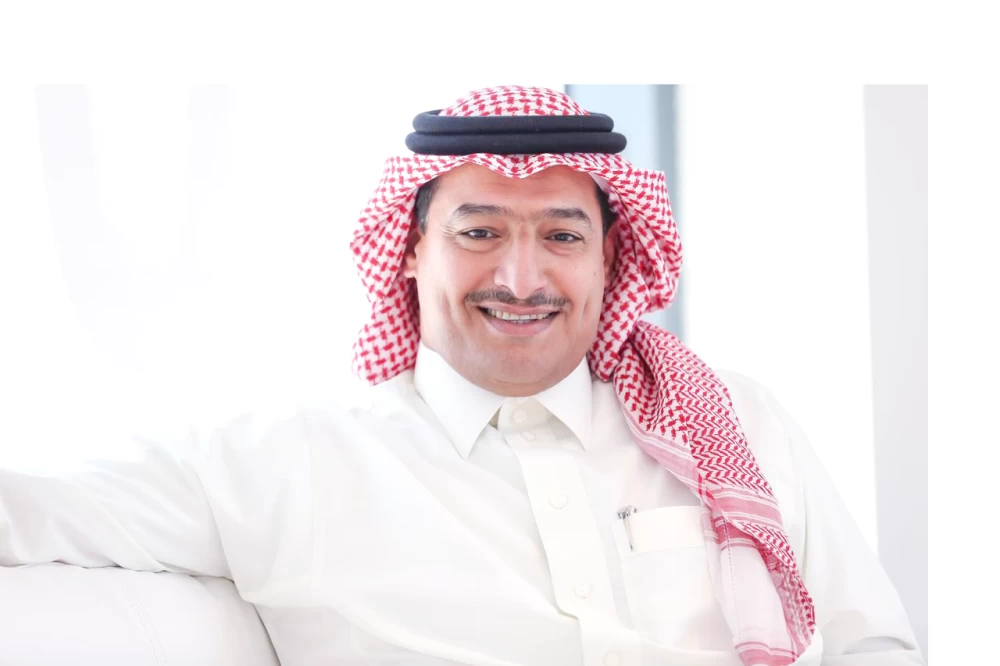
من ملاعب التايكوندو، حيث مثّل المنتخب السعودي ونافس على المستوى العالمي، إلى العمل الإداري في نادي الاتفاق والاتحاد السعودي لكرة القدم واللجنة الأولمبية السعودية، وصولاً إلى عضوية المجلس الأولمبي الآسيوي؛ امتدت تجربة محمد المسحل عبر محطات متعددة، جعلت منه شاهدا على 40 عاماً من تحولات الرياضة السعودية، ومواكبا لتفاصيل صناعة القرار الرياضي وتطور مؤسساته.
في حوار موسع خاص مع «عكاظ»، يستعيد المسحل محطات من مسيرته، ويتحدث عن ارتباط عائلته بنادي الاتفاق، وأسباب انسحابه من سباق رئاسة اتحاد القدم لصالح شقيقه ياسر، ويطرح رؤيته لمستقبل اللاعب السعودي في ظل استقطاب النجوم الأجانب. كما يتناول تحديات صناعة الأبطال والبطلات، مؤكدا أن الإنجاز الأولمبي لا يتحقق بالمصادفة أو الجهود المتفرقة، بل يحتاج إلى مشروع وطني يبدأ من مراحل الطفولة المبكرة. ويكشف رأيه في خصخصة الأندية والفوارق المالية بينها، والتحكيم والتعصب الرياضي، والسبل الكفيلة بتحويل استضافة البطولات الكبرى إلى إرث مستدام من الخبرات والكفاءات الوطنية. فإلى نص الحوار:
• كيف كانت بدايتك مع الرياضة، ومن أبرز الشخصيات التي كان لها الأثر الأكبر في مسيرتك الرياضية والإدارية؟
•• بدأت علاقتي بالرياضة تقريباً في عام 1980، عندما مارست كرة القدم في الفئات السنية بنادي الاتفاق، وكنت في الوقت نفسه أمارس رياضة التايكوندو.
ومع مرور الوقت، وجدت أن الجمع بين الدراسة وممارسة اللعبتين أصبح صعباً، فقررت التوقف عن كرة القدم والتركيز على دراستي وعلى رياضة التايكوندو، التي حققت فيها أربع بطولات على مستوى المملكة، ومثلت المنتخب السعودي، ووصلت إلى مرحلة كنت فيها منافساً على بطولة العالم في وزني.
لكن إصابة قوية تعرضت لها عام 1986 أنهت مشاركتي في هذه الرياضة. وخلال دراستي الجامعية، مارست كرة القدم مع فريق جامعة البترول والمعادن.
أما في الجانب الإداري، فقد بدأت تجربتي من خلال عضوية مجلس إدارة نادي الاتفاق خلال الفترة من 1999 إلى 2011، ثم انتقلت إلى العمل في الاتحاد السعودي لكرة القدم، حيث كنت عضواً في مجلس الإدارة ومسؤولاً عن المنتخبات الوطنية، وعملنا خلال تلك المرحلة على إعداد استراتيجية لتطوير كرة القدم السعودية.
وفي مطلع عام 2012، توليت منصب الأمين العام للجنة الأولمبية السعودية، وكانت تلك تجربة مختلفة أتاحت لي العمل على ملفات الاتحادات الرياضية والاستراتيجيات المرتبطة بتطويرها.
وفي وقت لاحق من العام نفسه، انضممت إلى المكتب التنفيذي للمجلس الأولمبي الآسيوي، خلال فترة رئاسة الشيخ أحمد الفهد، وشاركت في أعمال تتعلق بتقييم المدن المرشحة لاستضافة دورات الألعاب الآسيوية وزياراتها.
وفي مطلع عام 2015، قررت الابتعاد عن العمل الرياضي الرسمي، والتفرغ لأعمالي الخاصة والاستشارات الرياضية.
أما الشخصيات التي أثرت في مسيرتي، فهناك أشقائي الذين نشأت معهم في بيئة رياضية، وشقيقي الأكبر، رحمه الله، الذي كان له أثر كبير في حياتي، إلى جانب شخصيات رياضية تعلمت منها الكثير، من أبرزها الراحل عبدالله الدبل، والكابتن خليل الزياني، وعدد من رجالات نادي الاتفاق الذين كانت لهم بصمات واضحة في مسيرتي.
• هل ترى أن الانتقال من ممارسة الرياضة إلى العمل الإداري يُعد تطوراً طبيعياً في مسيرة الرياضي؟
•• أعتقد أن انتقال الرياضي من الممارسة إلى العمل الإداري يُعد تطوراً طبيعياً في كثير من الحالات، خصوصاً عندما يكون قد نشأ في بيئة رياضية واكتسب خبرات مبكرة في التعامل مع الأندية والفرق واللاعبين.
فالرياضي الذي يمتلك خلفية جيدة عن طبيعة المنافسات والتدريبات واحتياجات اللاعبين، ثم يدعم هذه المعرفة بالدراسة والتأهيل والخبرة العملية، تكون لديه فرصة جيدة للنجاح في الإدارة الرياضية.
وبالتأكيد، لا يعني ذلك أن كل لاعب سينجح بالضرورة في العمل الإداري، لكن الخبرة الرياضية السابقة تمنح صاحبها قاعدة مهمة يمكن البناء عليها، سواء في إدارة الأندية أو المنتخبات أو الاتحادات والمؤسسات الرياضية.
• تنقلت بين العمل الإداري في نادي الاتفاق والاتحاد السعودي لكرة القدم واللجنة الأولمبية السعودية، ماذا أضافت لك هذه التجارب، وكيف أسهمت في تطوير خبراتك الإدارية والقيادية؟
•• كل تجربة من هذه التجارب أضافت لي جانباً مختلفاً من المعرفة والخبرة. ففي نادي الاتفاق تعلمت الكثير عن إدارة الفرق والأندية، وطبيعة العلاقة مع اللاعبين والأجهزة الفنية والإدارية، وكيفية التعامل مع الجوانب النفسية للاعبين والمدربين، وكذلك مع الجماهير والإعلام.
وعندما انتقلت إلى العمل في الاتحاد السعودي لكرة القدم، وتحديداً في ملف المنتخبات الوطنية، أصبحت المسؤوليات أوسع، لأن العمل لم يعد مرتبطاً بنادٍ واحد، بل بالتعامل مع أندية متعددة ولاعبين وأجهزة فنية مختلفة.
وهناك تعلمت الكثير عن إعداد المعسكرات والبرامج الفنية، وإدارة الميزانيات، والتنسيق مع الأندية، والتعامل مع العوائق والإجراءات الإدارية التي قد تؤثر في سير العمل.
أما تجربة اللجنة الأولمبية السعودية، فقد فتحت أمامي مجالاً أوسع للتعامل مع الاتحادات الرياضية المختلفة والمؤسسات الرياضية الدولية، والتعرف على جوانب مهمة من العلاقات الدولية والدبلوماسية الرياضية.
كما أتاحت لي المشاركة في بعض الملفات التنظيمية، ومنها الإشراف على إجراءات مرتبطة بانتخابات بعض الاتحادات الرياضية.
وأعتقد أن مجموع هذه التجارب منحني رؤية أشمل لطبيعة العمل الرياضي، من مستوى النادي إلى مستوى المنتخب، ثم إلى مستوى المؤسسات الرياضية الوطنية والدولية.
• عائلة المسحل ارتبط اسمها بنادي الاتفاق والعمل الرياضي منذ عقود، كيف بدأت هذه العلاقة، وما سر استمرار حضور أفراد العائلة في المناصب الرياضية والإدارية؟
•• ارتباط عائلتنا بنادي الاتفاق يعود إلى سنوات طويلة، فوالدي وعمي كانا من المؤسسين والداعمين للنادي، ونشأنا في بيئة قريبة جداً من الرياضة ومن نادي الاتفاق تحديداً.
وكان أشقائي الأكبر سناً يمارسون كرة القدم في النادي خلال أواخر السبعينيات، ثم بدأت أنا أيضاً لاعباً قبل أن أنتقل لاحقاً إلى العمل الإداري.
أما شقيقي ياسر، فقد بدأ العمل الإداري مبكراً، ولم يكن مسجلاً لاعباً في النادي، وكان يتولى تمثيل الاتفاق في بعض الاجتماعات والمناسبات التي تقام في الرياض، ومنها الاجتماعات وقرعات المسابقات.
ومع مرور الوقت، اتجهنا أنا وياسر إلى تطوير أنفسنا علمياً في مجال الإدارة الرياضية، ودرسنا القانون الرياضي الدولي، وحصلنا على درجتي الماجستير من مدينة فالنسيا الإسبانية، إلى جانب المشاركة في دورات وبرامج متخصصة، من بينها ما يتعلق بمكافحة المنشطات.
كذلك فإن شقيقي حاتم درس في المجال الرياضي، وعمل في الإدارة الرياضية وتولى مسؤوليات تنفيذية وإشرافية.
أما شقيقي سامر، وهو أكبر من حاتم، فقد كانت له أيضاً تجربة إدارية، ووصل إلى رئاسة نادي الاتفاق.
وأعتقد أن استمرار حضور أفراد العائلة في العمل الرياضي يعود إلى نشأتنا في هذه البيئة، وإلى الاهتمام المبكر بالرياضة، ثم الحرص على اكتساب المعرفة والخبرة اللازمة للعمل الإداري.
• سبق أن انسحبت من الترشيح لرئاسة اتحاد القدم لصالح شقيقك ياسر، هل ندمت على القرار؟
•• لا، لم أندم على هذا القرار إطلاقاً. فقد كنت أرى أن شقيقي ياسر يمتلك المقومات والخبرات التي تؤهله لتولي رئاسة الاتحاد السعودي لكرة القدم، وفي الوقت نفسه كانت لدي ظروف شخصية تجعل من الصعب عليّ تحمل مسؤوليات هذا المنصب بالشكل الذي أريده.
ولذلك رأيت أن انسحابي وإتاحة الفرصة له هو القرار المناسب في ذلك الوقت.
وأعتقد أن ما قدمه ياسر خلال فترة رئاسته يؤكد أنه كان مؤهلاً لهذه المسؤولية، ولذلك لا أشعر بأي ندم على القرار الذي اتخذته.
• كيف تقيّم تجربة شقيقك ياسر المسحل في رئاسة الاتحاد السعودي لكرة القدم، وهل ترى أن نتائج المنتخبات الوطنية تعكس حجم العمل الذي قدمه خلال فترة رئاسته؟
•• أقيّم تجربة ياسر في رئاسة الاتحاد السعودي لكرة القدم بأنها ناجحة بنسبة لا تقل عن 90%.
وأرى أن من أبرز ما تحقق خلال فترة عمله تعزيز الجانب المؤسسي والمهني داخل الاتحاد، وتطوير آليات العمل، وبناء علاقات قوية مع المؤسسات الرياضية الدولية، وفي مقدمتها الاتحاد الدولي لكرة القدم والاتحاد الآسيوي.
كما أعتقد أنه ترك خلفه كوادر مؤهلة وقادرة على مواصلة العمل داخل الاتحاد، وهذا جانب مهم عند تقييم أي مسؤول، لأن النجاح لا يرتبط فقط بالنتائج المباشرة، بل أيضاً بما يتركه من عمل مؤسسي يستمر بعد مغادرته.
أما نتائج المنتخبات الوطنية، فلا أرى أنه من العدل تحميل رئيس الاتحاد وحده مسؤوليتها، لأن نتائج كرة القدم تتأثر بعوامل كثيرة، بعضها يقع خارج نطاق سيطرة الاتحاد.
وبالتالي، فإن تقييم تجربة رئاسة الاتحاد يجب أن يكون شاملاً، وأن يأخذ في الاعتبار التطوير الإداري والمؤسسي والعلاقات الدولية والبرامج المنفذة، إلى جانب النتائج الفنية للمنتخبات.
• هل يشكّل وجود عدد من أشقائك في مناصب قيادية رياضية مختلفة ضغوطاً إضافية عليكم، سواء على المستوى الأسري أو الإعلامي والجماهيري؟
•• أعتقد أن الضغط الأكبر لا يقع علينا نحن بقدر ما يقع على أفراد الأسرة، وخصوصاً الوالدة والأقارب الذين يتأثرون بما يُقال أو يُكتب عنا، سواء كان إيجابياً أو سلبياً.
أما نحن، فقد اعتدنا طبيعة العمل الرياضي، ونعرف أن من يتولى مسؤولية في هذا المجال سيكون عرضة للنقد والضغوط الإعلامية والجماهيرية.
ولذلك نحاول التعامل مع هذه الأمور باعتبارها جزءاً من المسؤولية الرياضية، لكن يبقى تأثيرها على الأسرة أكبر، لأن أفرادها يتابعون ما يحدث بعاطفة مختلفة.
• سبق أن أشرفت على مشروع لتطوير المنتخبات السعودية ووضع استراتيجية لمستقبل كرة القدم، ما أبرز ملامح ذلك المشروع، ولماذا لم يستمر العمل به؟
•• في البداية، أود التأكيد أن ذلك المشروع لم يكن مشروعاً شخصياً لي، وإنما كان مشروعاً وطنياً جاء بتوجيه من الأمير نواف بن فيصل بن فهد، الذي كان يتولى آنذاك رئاسة الرئاسة العامة لرعاية الشباب والاتحاد السعودي لكرة القدم.
وعملنا خلال تلك المرحلة على وضع استراتيجية لتطوير كرة القدم السعودية، تضمنت برنامجاً لتطوير المنتخبات الوطنية، وكان المشروع يحمل أفكاراً جديدة تتناسب مع احتياجات كرة القدم في ذلك الوقت.
ومن المهم الإشارة إلى أن الميزانيات التي كنا نعمل بها آنذاك كانت محدودة جداً مقارنة بالإمكانات المتاحة اليوم، وربما لم تكن تصل إلى 10% من الميزانيات الحالية.
وبعد مغادرتي الاتحاد، تولى الكابتن أحمد عيد المسؤولية، وسمعت لاحقاً أن العمل بالبرنامج توقف، وأنه جرى استبداله ببرامج أخرى.
لكنني لا أعرف التفاصيل الدقيقة لما حدث، ولا الأسباب التي أدت إلى عدم استمرار المشروع، لأنني كنت قد انتقلت إلى العمل في اللجنة الأولمبية السعودية، ثم ابتعدت عن العمل الرياضي الرسمي عام 2015.
ولذلك لا أستطيع إصدار حكم على قرار إيقاف البرنامج أو تغييره من دون معرفة الظروف والتفاصيل التي أحاطت به.
• نُسب إليك في تصريح سابق أن الإدارة الرياضية تُدار بـ«النظارات الملونة»، فهل ترى أن الميول والتعصب للأندية يؤثران في القرارات الرياضية، خصوصاً لدى من يتولون المناصب القيادية؟
•• في الحقيقة، لا أتذكر أنني قلت إن الإدارة الرياضية تُدار بـ«النظارات الملونة»، وأحتاج إلى معرفة مصدر التصريح وسياقه حتى أستطيع التعليق عليه بصورة دقيقة.
أما فيما يتعلق بالميول الرياضية، فمن الطبيعي أن يكون لدى الإنسان انتماء أو ميول لنادٍ معين، لكن المشكلة تبدأ عندما يسمح المسؤول لهذه الميول بالتأثير في قراراته أو تقديم مصلحة ناديه على المصلحة العامة. وهذا أمر أراه سلبياً بالتأكيد. لكنني، خلال تجربتي في العمل الرياضي السعودي، لم أشاهد مسؤولاً يضع مصلحة ناديه فوق مصلحة الوطن. ولذلك أرى ضرورة التمييز بين الانتماء الرياضي الطبيعي وبين التعصب الذي قد يؤثر في عدالة القرارات، وعدم إطلاق أحكام عامة من دون وجود وقائع واضحة.
• لماذا لا تزال الرياضة السعودية تواجه تحديات في صناعة الأبطال الأولمبيين رغم الإمكانات الكبيرة المتاحة، وما الذي نحتاجه للوصول إلى منصات التتويج العالمية؟
•• أعتقد أن البطل الأولمبي لا يظهر بالمصادفة، ولا يمكن الاعتماد في صناعته على المبادرات الفردية أو الجهود المتفرقة، وإنما يحتاج إلى مشروع وطني متكامل يبدأ من مراحل مبكرة جداً. وأنا أذهب إلى أبعد من ذلك، فأرى أن صناعة البطل يمكن أن تبدأ حتى قبل ولادته، من خلال الاهتمام بصحة الأم وتثقيفها صحياً وبدنياً، ثم الاهتمام بالطفل منذ سنواته الأولى وتشجيعه على الحركة والنشاط البدني.
وبعد ذلك يأتي دور الأسرة والمدرسة والمؤسسات الصحية والرياضية في اكتشاف ميول الطفل وقدراته وتوجيهه بصورة علمية.
فعندما يصل الطفل إلى سن الخامسة أو السادسة أو السابعة، يمكن إخضاعه لتقييمات علمية مناسبة لعمره، تشمل الجوانب البدنية والنفسية والفسيولوجية، وبعض المؤشرات الوراثية والهرمونية والنمائية التي قد تساعد المختصين على فهم قدراته واستعداداته الرياضية.
وهذه المؤشرات لا تعني الجزم بأن الطفل سيصبح بطلاً في لعبة معينة، لكنها قد تساعد على توجيهه إلى الرياضات الأكثر ملاءمة لقدراته، ثم متابعته وتطويره مع تقدمه في العمر.
وأعتقد أننا بحاجة إلى منظومة وطنية لاكتشاف المواهب، تشارك فيها جهات متعددة، وفي مقدمتها وزارات الصحة والتعليم والرياضة، بحيث لا يبدأ دور القطاع الرياضي من الصفر، بل يتسلم جيلاً يتمتع بالصحة والتعليم والانضباط والقدرات البدنية المناسبة.
كما أن المملكة تمتلك تنوعاً جغرافياً وبيئياً كبيراً، من السواحل الطويلة إلى الجبال والصحارى والسهول، وهذا التنوع يمنحنا فرصاً واسعة لتطوير رياضات مختلفة، مثل السباحة والسباحة في المياه المفتوحة والغوص وغيرها.
ولدينا كذلك الإمكانات البشرية والمالية، والأمن والاستقرار، والدعم الكبير من القيادة، وهي مقومات مهمة يمكن البناء عليها لتحقيق إنجازات أولمبية.
لكنني أرى أن الأمر يحتاج إلى استراتيجية وطنية شاملة، تتولاها جهة عليا تتجاوز نطاق المؤسسات الرياضية وحدها، وتنسق عمل جميع الجهات المعنية بصناعة الأبطال.
ولا أعرف إن كان هناك مشروع وطني متكامل يُنفذ حالياً بهذه الصورة، ولا أرى مؤشرات واضحة أمامي تؤكد وجوده، لكنني أتمنى أن نشهد مثل هذه الاستراتيجية، لأن صناعة الأبطال تحتاج إلى تخطيط طويل المدى وعمل علمي مستمر.
• كيف تقيّم تجربة خصخصة الأندية السعودية وتأثيرها على المنافسة في دوري روشن؟ وهل ترى أن نادي الاتفاق قادر على منافسة الأندية المدعومة مالياً في ظل الفوارق الكبيرة في الميزانيات؟
•• أعتقد أن تجربة الخصخصة والدعم الذي حصلت عليه بعض الأندية من جهات استثمارية كبرى، مثل صندوق الاستثمارات العامة وأرامكو وغيرها، أحدثا تحولاً كبيراً في الإمكانات المالية للأندية السعودية. لكن من الطبيعي أن تنعكس الفوارق الكبيرة في الميزانيات على مستوى المنافسة. فعندما يمتلك نادٍ ميزانية تبلغ 500 مليون ريال، بينما يمتلك نادٍ آخر ميزانية في حدود 50 مليون ريال، فمن الصعب أن نتوقع منهما القدرة نفسها على استقطاب اللاعبين أو بناء الفرق. فالقدرة المالية تمنح النادي فرصة التعاقد مع لاعبين أعلى جودة، وبالتالي ترتفع فرصه في تحقيق النتائج. ومن هذا المنطلق، أرى أن نادي الاتفاق يقدم عملاً يستحق التقدير عند مقارنة إمكاناته بإمكانات الأندية التي تتفوق عليه مالياً.
بل إنني أعتبر أن ما يحققه الاتفاق، قياساً بالفوارق الكبيرة في الميزانيات، يشبه إنجاز الفريق الذي ينافس على البطولة. وأعتقد أن الاتفاق كان يحتل المركز السابع في الترتيب وقت حديثنا، فيما كان الدرعية في المركز الثامن، لكن الأهم بالنسبة لي ليس المركز وحده، وإنما تقييم النتائج وفق الإمكانات المتاحة لكل نادٍ. فمن غير المنطقي أن نستخدم المعيار نفسه للحكم على فريق يمتلك ميزانية ضخمة وآخر يعمل بموارد أقل بكثير.
• كيف تقيّم واقع الرياضة السعودية في المرحلة الحالية، وهل ترى أن التركيز على استضافة الأحداث الرياضية العالمية انعكس على صناعة الأبطال وتحقيق الإنجازات الأولمبية؟
•• أرى أن تقييم واقع الرياضة السعودية يجب أن ينطلق من ثلاثة محاور رئيسية. المحور الأول هو الحضور الدولي والتسويقي للرياضة، وما يمكن أن نسميه القوة الناعمة، وقد حققت المملكة في هذا الجانب حضوراً كبيراً من خلال استضافة أحداث عالمية مهمة، مثل سباقات الفورمولا 1 والملاكمة والتنس وغيرها. وهذه الاستضافات أسهمت في تعزيز الحضور الدولي للمملكة والتعريف بما تمتلكه من إمكانات وقدرات تنظيمية.
أما المحور الثاني فهو الرياضة المجتمعية، أي زيادة نسبة ممارسة النشاط البدني وتحسين الصحة العامة وجودة الحياة. وأعتقد أن التقارير والمؤشرات التي تُنشر تشير إلى تحسن في معدلات ممارسة الرياضة، وهذا أمر إيجابي ومهم. لكن المحور الثالث، وهو الأهم عند الحديث عن الميداليات والبطولات، يتمثل في رياضة الإنجاز. وأقصد بذلك صناعة الرياضيين القادرين على المنافسة في الألعاب الأولمبية والألعاب الآسيوية والألعاب الأولمبية للشباب وغيرها من البطولات الكبرى. وهذا الجانب يحتاج إلى مشروعات كبيرة ومتخصصة داخل كل اتحاد رياضي، ضمن استراتيجية وطنية متكاملة، وبإشراف على مستوى قيادي عالٍ يضمن التنسيق بين الجهات المختلفة. فنجاحنا في استضافة الأحداث العالمية أمر مهم، لكنه يختلف عن صناعة الأبطال، ولكل منهما متطلباته وبرامجه وأهدافه.
• كيف ترى تطور الدوري السعودي بعد استقطاب النجوم العالميين؟
•• لا شك أن الدوري السعودي تطور كثيراً من الناحيتين التسويقية والجماهيرية، وأن استقطاب النجوم العالميين منحه شهرة وانتشاراً كبيرين.
لكنني أرى أن زيادة عدد اللاعبين الأجانب أثرت في فرص مشاركة اللاعب السعودي، وأصبحت دقائق اللعب المتاحة له أقل مما يحتاج إليه لتطوير مستواه. وهذا أمر يقلقني، لأن اللاعب لا يمكن أن يتطور بالجلوس على مقاعد البدلاء، بل يحتاج إلى المشاركة المستمرة والاحتكاك بالمنافسين واكتساب الخبرة داخل الملعب. ومن وجهة نظري، يمكن للأندية التعاقد مع ثمانية أو عشرة لاعبين أجانب أو أكثر، لكنني أفضل ألا يزيد عدد الأجانب الموجودين في قائمة المباراة على خمسة لاعبين. وبهذه الطريقة، نمنح اللاعب السعودي فرصة أكبر للمشاركة، ونوسع قاعدة اللاعبين الذين يستطيع مدرب المنتخب الوطني الاختيار من بينهم. وأتذكر أننا في مراحل سابقة كنا نستقطب نجوماً كباراً، مثل ريفالينو وبوكير ونجيب الإمام، وكان عدد اللاعبين الأجانب محدوداً، ومع ذلك كان الدوري يحظى بالاهتمام، وكان اللاعب السعودي يحصل على فرص أكبر للمشاركة. وفي الوقت الذي بدأت فيه منتخبات أخرى العمل بصورة منظمة على صناعة اللاعبين وتطويرهم، ظل اعتمادنا بدرجة كبيرة على المواهب التي تظهر بصورة طبيعية. ولذلك أخشى أن تؤدي قلة دقائق مشاركة اللاعب السعودي إلى نتائج سلبية على المدى الطويل، خصوصاً فيما يتعلق بمستقبل المنتخبات الوطنية.
• ما العدد المناسب للاعبين الأجانب في قائمة مباريات الدوري السعودي من وجهة نظرك؟
•• من وجهة نظري، لا توجد مشكلة في أن يتعاقد النادي مع ثمانية أو عشرة لاعبين أجانب، أو حتى أكثر من ذلك، وفق احتياجاته وإمكاناته.
لكنني أرى أن العدد المناسب في قائمة المباراة، أو ما يُعرف بـ«السكور شيت»، هو خمسة لاعبين أجانب كحد أقصى. فالهدف ليس منع الأندية من التعاقد مع اللاعبين الأجانب، وإنما ضمان وجود مساحة كافية لمشاركة اللاعبين السعوديين. وعندما يكون الحد الأقصى خمسة أجانب في قائمة المباراة، ستزداد فرص مشاركة اللاعبين المحليين، وسيحصل عدد أكبر منهم على دقائق لعب تساعدهم على تطوير مستوياتهم واكتساب الخبرة. وهذا سينعكس في النهاية على قاعدة الاختيار المتاحة للمنتخبات السعودية.
• هل يمتلك اللاعب السعودي الموهبة التي تؤهله لمنافسة النجوم الأجانب والاحتراف في الدوريات الأوروبية؟
•• أعتقد أن اللاعب السعودي يمتلك الموهبة، ولدينا عدد كبير من اللاعبين الموهوبين القادرين على التطور والوصول إلى مستويات عالية.
لكن الموهبة وحدها لا تكفي، فاللاعب يحتاج إلى دقائق لعب كافية، وإلى تحديات فنية مستمرة تساعده على صقل مهاراته وتطوير قدراته.
وأنا لا أرى أن الهدف الأساسي يجب أن يكون إرسال اللاعب السعودي إلى أوروبا لمجرد الاحتراف هناك. بل أعتقد أننا يجب أن نعكس المعادلة، وأن نعمل أولاً على صناعة لاعب سعودي قوي داخل دورينا، يستطيع منافسة اللاعب الأجنبي والتفوق عليه وانتزاع مكانه في التشكيلة الأساسية. وعندما نصل إلى مرحلة يصبح فيها اللاعب السعودي قادراً على شغل معظم المراكز بكفاءة عالية، فإن الأندية نفسها قد تجد أنها لا تحتاج إلى أكثر من لاعبين أو ثلاثة أجانب. وعندها، من الطبيعي أن تبدأ الأندية الأوروبية في متابعة اللاعبين السعوديين والسعي إلى التعاقد معهم، لأن مستواهم سيجعلهم مطلوبين فنياً. أما أن نستقطب اللاعبين الأوروبيين إلى دورينا، ثم نتوقع في الوقت نفسه أن ينتقل اللاعب السعودي إلى أوروبا رغم أنه لا يحصل على دقائق لعب كافية هنا، فأعتقد أن هذه معادلة غير منطقية. ولذلك يجب أن نبدأ بتطوير اللاعب السعودي ومنحه فرص المشاركة، وعندما يصبح مستواه مؤهلاً للاحتراف الخارجي، ستأتيه الفرص بصورة طبيعية.
• كيف تقيّم اهتمام الأندية السعودية بالفئات السنية واكتشاف المواهب، وهل ترى أن العمل الحالي كافٍ لصناعة جيل جديد من اللاعبين المميزين؟
•• أعتقد أن هناك عملاً جيداً في بعض الأندية السعودية على مستوى الفئات السنية واكتشاف المواهب. فنادي الاتفاق لديه برامج للفئات السنية، وكذلك القادسية والهلال، وأعتقد أن النصر أيضاً لديه عمل في هذا الجانب. أما الأهلي، فقد كان تاريخياً من الأندية المعروفة بمدرسته في الفئات السنية، لكنني لا أعرف بصورة دقيقة وضع هذه البرامج لديه حالياً. كما أن الأكاديميات الرياضية بدأت تتوسع، وهذا تطور إيجابي. لكنني أرى أن الأمر يحتاج إلى رقابة ومتابعة دقيقة جداً، وربما شبه يومية، على برامج الفئات السنية في جميع الأندية، للتأكد من جودة العمل والخطط الفنية والتطويرية. ويجب ألا يكون الاهتمام بالفئات السنية مجرد وجود فرق تشارك في المسابقات، بل ينبغي أن تكون هناك خطط واضحة لتطوير اللاعبين وقياس نتائج العمل. وأعتقد أيضاً أنه من المهم ربط جانب من الدعم المالي الذي تحصل عليه الأندية بما تحققه فعلياً في تطوير المواهب والفئات السنية. فالأندية التي تعمل بصورة جادة وتنتج لاعبين مؤهلين يجب أن يُؤخذ ذلك في الاعتبار عند تقييم عملها ودعمها.
• كيف تقيّم دور الرياضة المدرسية والجامعية في اكتشاف المواهب وصناعة الأبطال؟
•• أرى أن الرياضة المدرسية والجامعية من أهم المجالات التي يجب التركيز عليها إذا كنا نريد بناء قاعدة واسعة من الرياضيين وصناعة أبطال للمستقبل. لكن لدي ملاحظة على بعض المسابقات المدرسية، وهي السماح بمشاركة لاعبين مسجلين أصلاً في الأندية الرياضية، خصوصاً في المراحل الدراسية المتقدمة، مثل الصفين الثاني والثالث الثانوي. فمن وجهة نظري، يجب أن يكون الهدف الأساسي من المسابقات المدرسية اكتشاف مواهب جديدة لم تحصل بعد على فرصة الانضمام إلى الأندية. وعندما نسمح للاعبين المسجلين في الأندية بالمشاركة، فإننا قد نقلص فرص ظهور طلاب آخرين لديهم موهبة ولم يجدوا بعد طريقهم إلى الأندية. ولذلك أفضل أن تُخصص هذه المسابقات لاكتشاف لاعبين جدد، مع وضع تنظيم يضمن تحقيق هذا الهدف.
أما الرياضة الجامعية، فأعتقد أن دورها في صناعة الأبطال لدينا ضعيف جداً، ويكاد يكون غائباً. وفي المقابل، نرى أن الجامعات في دول أخرى، وخصوصاً الجامعات الأمريكية، تمثل رافداً مهماً للرياضة التنافسية وصناعة الأبطال. وأعتقد، وفق تقديري، أن نسبة كبيرة من أصحاب الميداليات الأولمبية، ربما تصل إلى 50 أو 60%، مروا بتجارب رياضية جامعية، خصوصاً في الولايات المتحدة، وإن كنت لا أطرح هذه النسبة باعتبارها إحصائية موثقة. فهناك رياضيون من جنسيات مختلفة يتدربون ويتطورون داخل الجامعات الأمريكية، ثم يعودون لتمثيل بلدانهم في البطولات الدولية والأولمبية. وأرى أننا بحاجة إلى قفزة كبيرة في الرياضة المدرسية والجامعية، وإلى استراتيجية جديدة للجهات المسؤولة عنها، تتضمن أهدافاً واضحة وقابلة للقياس، بحيث يصبح للجامعات دور فعلي في إعداد الرياضيين وصناعة الإنجازات.
• أين تكمن المشكلة الحقيقية في عمل المنتخبات السعودية؟
•• أعتقد أن من المشكلات التي تواجه المنتخبات السعودية عدم وجود فريق عمل مستقر يمتلك الخبرة الكافية ويستمر لفترات طويلة.
فالمنتخبات لا تحتاج فقط إلى مدربين أجانب وأجهزة فنية، بل تحتاج أيضاً إلى مختصين سعوديين لديهم خبرة طويلة في الجوانب الفنية والاجتماعية والنفسية المرتبطة باللاعب السعودي. فهؤلاء يستطيعون مساعدة المدرب الأجنبي على فهم طبيعة اللاعب السعودي وبيئته والظروف التي قد تؤثر في أدائه. كما أرى أن المنتخبات الوطنية يجب أن تتمتع بصلاحيات واضحة وقوية في علاقتها بالأندية، خصوصاً فيما يتعلق باستدعاء اللاعبين وتهيئتهم للمعسكرات والمنافسات. أما منتخبات الفئات السنية، فمن المهم أن يكون عملها مرتبطاً بمسابقات محلية مناسبة لكل فئة عمرية، وأن تكون لديها أهداف واضحة للمشاركة في البطولات الخليجية والإقليمية والآسيوية والعالمية. فلا يكفي أن نشكل منتخباً لفئة سنية معينة من دون أن يكون لدينا تصور واضح لما نريد تحقيقه من هذا المنتخب، وكيف سنعد لاعبيه للمنافسة. وأعتقد أن الاستقرار الإداري والفني، ووجود الخبرات الوطنية المساندة، ووضوح الأهداف والصلاحيات، كلها عناصر أساسية لتطوير عمل المنتخبات.
• كيف تقيّم أداء الاتحاد السعودي لكرة القدم في المرحلة الحالية؟
•• لا أعتقد أن من المناسب تقييم الاتحاد السعودي لكرة القدم في الوقت الحالي، خصوصاً أن الإدارة السابقة غادرت، والإدارة الجديدة بدأت عملها حديثاً. ومن غير العدل أن نصدر حكماً على فريق عمل لم يحصل بعد على الوقت الكافي لتنفيذ برامجه وإظهار نتائج عمله. ولذلك أرى أن الأفضل هو منح الإدارة الجديدة الفرصة للعمل، ثم تقييم تجربتها لاحقاً بناءً على ما تقدمه من برامج ونتائج. أما إصدار أحكام مبكرة الآن، فأعتقد أنه سيكون غير منصف وغير حكيم.
• كيف تنظر إلى استقالة شقيقك ياسر المسحل من رئاسة الاتحاد السعودي لكرة القدم؟
•• أرى أن استقالة شقيقي ياسر المسحل من رئاسة الاتحاد السعودي لكرة القدم خطوة صحية وطبيعية، فهو قضى فترة كافية في رئاسة الاتحاد، ورأى أن الوقت قد حان لترك المسؤولية وإتاحة الفرصة لغيره. ومن وجهة نظري، فإن هذا القرار يُحسب له، لأنه يعكس قناعته بأن العمل الرياضي لا يرتبط بالأشخاص، وأن من المهم منح الآخرين الفرصة لتولي المسؤولية وتقديم ما لديهم. وفي الوقت نفسه، فإن ابتعاده عن رئاسة الاتحاد لا يعني ابتعاده عن خدمة الرياضة السعودية، فهو لا يزال موجوداً ويسهم في خدمة رياضة الوطن من خلال بعض الملفات، ومنها ما يتعلق بكأس آسيا، إلى جانب التمثيل الدولي في عدد من المناسبات والمحافل الرياضية. ولذلك أنظر إلى استقالته بإيجابية، وأرى أنه اتخذ قراراً طبيعياً بعد أن أمضى الفترة التي رآها مناسبة في رئاسة الاتحاد، وفتح المجال أمام الآخرين لمواصلة العمل وتحمل المسؤولية.
• هل حققت صفقات استقطاب النجوم العالميين إلى الدوري السعودي أهدافها التسويقية والفنية؟
•• أعتقد أن مشروع استقطاب النجوم العالميين إلى الدوري السعودي حقق أهدافه من الناحيتين التسويقية والتجارية، وأسهم في تعزيز حضور الدوري وانتشاره على المستوى العالمي. كما أن لهذه الاستقطابات إضافة فنية واضحة، إذ ارتفع المستوى الفني للدوري، واستفاد اللاعبون السعوديون الذين أتيحت لهم فرصة المشاركة والاحتكاك بهؤلاء النجوم من الناحية الفنية. لكن في المقابل، أرى أن بعض الصفقات شهدت مبالغة في قيمتها المالية، وهذه إحدى الملاحظات التي يمكن تسجيلها على تجربة الاستقطاب. أما الملاحظة الأهم من وجهة نظري، فهي أن زيادة عدد اللاعبين الأجانب أدت إلى تقليص فرص مشاركة اللاعبين السعوديين، وأصبحنا لا نمتلك العدد الكافي من اللاعبين المحليين الذين يحصلون على دقائق لعب منتظمة تساعدهم على تطوير مستوياتهم وصقل مهاراتهم. ولذلك، ورغم نجاح المشروع تسويقياً وتجارياً، وإسهامه في رفع المستوى الفني للدوري، فإنني أرى ضرورة معالجة تأثيره على فرص اللاعب السعودي، لأن تطوير الدوري يجب أن يتوازى مع تطوير اللاعبين المحليين ومنحهم فرص المشاركة التي يحتاجون إليها.
• كيف ترى الجدل المستمر حول التحكيم في الدوري السعودي، وهل تعتقد أن الأخطاء التحكيمية يمكن القضاء عليها، أم أنها ستظل جزءاً من كرة القدم؟
•• أعتقد أن مشكلات التحكيم موجودة في جميع دوريات العالم، وستستمر إلى الأبد ما دامت كرة القدم تُمارس بطبيعتها الحالية، لأن الجدل حول القرارات التحكيمية جزء من طبيعة اللعبة، وليس أمراً يقتصر على الدوري السعودي. فمن وجهة نظري، نحو 90% من الفرق التي تحقق الفوز لا ترى أن هناك مشكلة في التحكيم، بينما نحو 90% من الفرق التي تتعرض للخسارة ترى أن التحكيم كان أحد أسباب خسارتها. وهذه طبيعة موجودة في كرة القدم، وستظل مستمرة مهما تطورت وسائل التحكيم وآلياته. وبالتأكيد، هناك حكام يرتكبون أخطاء خلال المباريات، كما أن بعض الحكام قد يتأثرون نفسياً عند إدارة مباريات لأندية معينة أو في التعامل مع لاعبين محددين، لكن هذه الحالات يمكن معالجتها مع مرور الوقت واكتساب الخبرة. ومع ذلك، حتى لو نجحنا في تقليص الأخطاء التحكيمية ومعالجة مثل هذه الحالات، فإن الجدل حول التحكيم لن ينتهي، وسيبقى حاضراً في النقاشات الرياضية والإعلامية والجماهيرية. وهذا الأمر لا يحدث لدينا فقط، بل أشاهده في مختلف الدوريات التي أتابعها، بما فيها الدوري الإنجليزي والدوري الإسباني، حيث تستمر الاعتراضات والنقاشات حول القرارات التحكيمية رغم الإمكانات الكبيرة والخبرات المتوافرة. ولذلك أرى أن الأخطاء التحكيمية يمكن العمل على تقليلها، لكن من الصعب جداً إنهاء الجدل حول التحكيم بصورة نهائية، لأنه سيظل جزءاً من طبيعة كرة القدم وتفاعلاتها.
• كيف تقيّم مستوى التعصب في الوسط الرياضي السعودي؟
• الحماس الرياضي والانتماء للأندية أمران طبيعيان ومطلوبان إلى حد معين، لكن عندما يتجاوز هذا الحماس حدوده ويتحول إلى تعصب أعمى، يجعل الإنسان يتحدث بطريقة غير منطقية، أو يظهر أحياناً بصورة مضحكة أو متشنجة تجاه الآخرين، فإن الأمر يصبح سلبياً.
وأتمنى أن تتراجع هذه الظاهرة وتتلاشى مع مرور الوقت، وأعتقد أننا بحاجة إلى قفزات نوعية في منهجية عمل الإعلام الرياضي السعودي، بما يسهم في الارتقاء بمستوى الطرح والنقاش الرياضي، وأتوقع أن نشهد تغييرات إيجابية في هذا الجانب قريباً.
• هل ترى أن الإعلاميات السعوديات حصلن على الحضور والفرص الكافية في الإعلام الرياضي؟
•• لا أملك إجابة دقيقة عن مدى حصول الإعلاميات السعوديات على الفرص الكافية، لأنني لست قريباً من تفاصيل هذا المجال. لكنني ألاحظ أن حضور الإعلاميات السعوديات في المجال الرياضي بدأ يتزايد تدريجياً، وأتمنى أن يجدن كل الدعم والتشجيع. وأرى أنه سيكون من الجيد أن تبدأ الإعلاميات بتوسيع اهتمامهن وتغطياتهن للرياضات المختلفة، مثل الجمباز والمبارزة والسباحة والفروسية وغيرها من الألعاب، وألا يقتصر التركيز منذ البداية على كرة القدم وحدها. فكرة القدم لها مجتمعها وطبيعتها وبروتوكولاتها وسياقها الإعلامي الخاص، ولذلك أعتقد أن التدرج في تغطية الرياضات الأخرى واكتساب الخبرة فيها قد يفتح أمام الإعلاميات فرصاً أوسع، ويساعدهن على الوصول إلى ما يطمحن إليه مستقبلاً.
• كيف تقيّم دور السيدات في الرياضة السعودية، خصوصاً في ظل تطور المسابقات النسائية وظهور دوري كرة القدم للسيدات؟
•• بصراحة، لا أتابع الرياضة النسائية بالشكل الذي يسمح لي بتقديم تقييم دقيق لمستواها أو تطورها. فحتى على مستوى دوري روشن السعودي، لا أتابع إلا جزءاً محدوداً من المباريات، أما دوري السيدات فلا أتذكر أنني شاهدت مباراة فيه حتى الآن.
ولذلك لا أستطيع إصدار حكم على مستوى المنافسات النسائية أو تقييمها، لكنني أتمنى لجميع الرياضيات السعوديات التوفيق والنجاح، وأن يحققن ما يطمحن إليه من إنجازات.
• هل تعاني حوكمة القطاع الرياضي السعودي من تداخل الصلاحيات وضعف الشفافية والمحاسبة، وما الذي تحتاجه المؤسسات الرياضية في هذا الجانب؟
•• أعتقد أن جانب الحوكمة في القطاع الرياضي يحتاج إلى مزيد من الاهتمام، خصوصاً فيما يتعلق بنشر الوعي بمفاهيمها ومتطلباتها وآليات تطبيقها. وأرى ضرورة تنظيم دورات وبرامج تثقيفية متخصصة في الحوكمة، تستهدف جميع العاملين والمعنيين بالمسابقات الرياضية والاتحادات والأندية، بحيث يكون لدى كل طرف فهم واضح للأنظمة والإجراءات والمسؤوليات المرتبطة بعمله. فرفع مستوى الوعي بالحوكمة لدى مختلف الأطراف المعنية يُعد خطوة مهمة نحو تطوير العمل المؤسسي في القطاع الرياضي.
• كيف يمكن للرياضة السعودية الاستفادة من استضافة كأس آسيا وكأس العالم في تطوير الكوادر الوطنية، وضمان استمرار أثر هذه البطولات بعد انتهائها؟
•• الاستفادة الحقيقية من استضافة البطولات الكبرى، مثل كأس آسيا وكأس العالم، يجب أن تبدأ من الآن من خلال مشروع متكامل لتطوير وتأهيل الكوادر السعودية، حتى تكون قادرة على القيام بمسؤولياتها في تنظيم هذه الأحداث وإدارتها.
فبطولة كأس آسيا أصبحت قريبة، لكن بالنسبة إلى كأس العالم، أرى أن الهدف يجب أن يكون تنظيم البطولة وإدارتها بأيدٍ سعودية بالكامل، أو بنسبة لا تقل عن 90% من الكوادر الوطنية.
ولتحقيق ذلك، كان من المفترض البدء في برامج التدريب والتأهيل والتثقيف منذ وقت مبكر، سواء من الآن أو حتى قبل عام أو عامين، بحيث تشمل هذه البرامج جميع المستويات والتخصصات المرتبطة بتنظيم البطولات الكبرى.
فنحن بحاجة إلى إعداد كوادر وطنية مؤهلة في مختلف المجالات، حتى لا تقتصر الاستفادة من استضافة كأس العالم على فترة إقامة البطولة فقط، بل تمتد إلى بناء خبرات سعودية قادرة على إدارة الأحداث الرياضية الكبرى مستقبلاً.
• كيف تقيّم المشاركات الخارجية للأندية السعودية؟
•• أرى أن المشاركات الخارجية للأندية السعودية قوية وجيدة، خصوصاً في بطولة دوري أبطال آسيا، وهي تسهم في تعزيز سمعة الرياضة السعودية وزيادة حضورها على المستوى القاري والدولي.
وأعتقد أن هذه المشاركات يجب أن تستمر وتتطور، لأنها تمثل جانباً مهماً من الحضور الرياضي السعودي خارجياً.
كما أرى أن مستوى هذه المشاركات يواكب حجم الدعم والاستثمارات التي تحظى بها الأندية السعودية، مع ضرورة إدراك أن الأندية في الدول الأخرى تعمل وتتطور وتستقطب اللاعبين أيضاً، فنحن لسنا وحدنا من يستثمر ويعمل على تطوير كرة القدم.
ولذلك فإن المنافسة ستظل قوية، وتتطلب استمرار العمل والتطوير للمحافظة على الحضور المميز للأندية السعودية.
• كيف تقيّم مشاركة الفرق السعودية في كأس العالم للأندية؟
•• أرى أن مشاركة الهلال في كأس العالم للأندية كانت جيدة وموفقة، وقدّم خلالها مشاركة إيجابية.
أما فيما يتعلق بعدم انعكاس نجاحات الأندية على مستوى المنتخب السعودي، فأعتقد أن المقارنة بينهما ليست دقيقة، لأن هناك اختلافاً كبيراً في طبيعة العمل الفني بين الأندية والمنتخبات. فالمدرسة التدريبية التي يعمل بها النادي قد تختلف عن المدرسة التدريبية للمنتخب، كما أن الأندية تعتمد على عناصر أجنبية مؤثرة لا تتوافر بطبيعة الحال في المنتخب الوطني. ولذلك فإن الظروف والإمكانات والعناصر الفنية تختلف بين الطرفين، ومن الصعب إجراء مقارنة مباشرة بين نتائج النادي ونتائج المنتخب أو افتراض أن نجاح أحدهما يجب أن ينعكس تلقائياً على الآخر.
• هل تكشف قضايا الأندية مع اللاعبين عن ضعف في إدارة العقود والاحتراف داخل الأندية السعودية؟
•• بعيداً عن تفاصيل القضايا، أعتقد أن إدارة العقود والاحتراف في الأندية السعودية تحتاج إلى مراجعة وتطوير. فمن وجهة نظري، هناك ربما نادٍ أو ناديان يتميزان في هذا الجانب، لكن الغالبية العظمى من الأندية لا تزال بحاجة إلى إعادة النظر في طريقة إدارة ملفات العقود والاحتراف وتطوير مستوى العمل فيها. وأرى أن هذا الجانب يستحق اهتماماً أكبر، نظراً لأهميته في حماية مصالح الأندية وتنظيم علاقاتها التعاقدية مع اللاعبين.
• سبق أن تحدثت عن تدخل بعض رؤساء الأندية في عمل المدربين واختيارات اللاعبين، فهل تعتقد أن هذه الممارسات لا تزال موجودة؟
•• لا أستطيع الجزم بوجود مثل هذه التدخلات حالياً، لأنني لا أملك معلومات مباشرة تؤكد استمرارها. لكن لدي إحساس بأنها ربما لا تزال موجودة بصورة محدودة في بعض الأندية، وإن كانت بدرجة أقل بكثير مما كانت عليه في السابق. وأعتقد أن نسبة التدخلات الكبيرة التي كنا نشاهدها في مراحل سابقة لم تعد موجودة اليوم بالشكل نفسه، وهذا تطور إيجابي يعكس تحسناً في مستوى العمل الإداري والمهني داخل الأندية.
• سبق أن انتقدت بعض الممارسات الإدارية في الأندية السعودية، فما أبرز تلك الممارسات؟
•• انتقاداتي السابقة كانت تتعلق بممارسات إدارية محددة داخل الأندية، ولم تكن موجهة إلى أشخاص بعينهم. فعلى سبيل المثال، كنت أنتقد وجود بعض رؤساء الأندية على مقاعد البدلاء أثناء المباريات، والحمد لله، اختفت هذه الممارسة. كما كنت أنتقد نزول رؤساء الأندية إلى أرض الملعب والحديث مع الحكام، سواء بين شوطي المباراة أو بعد نهايتها، وهذه الممارسة أيضاً اختفت إلى حد كبير. ولا أزال أرى أن دخول رئيس النادي إلى غرفة ملابس اللاعبين قد يسبب تشويشاً على عمل المدرب، خصوصاً إذا كان التدخل في توقيت يحتاج فيه الجهاز الفني إلى التركيز وإدارة الفريق بعيداً عن أي مؤثرات خارجية. لكن بشكل عام، أعتقد أن معظم الممارسات التي كنت أنتقدها قد اختفت، وأن الأندية بدأت تعمل بمهنية أكبر، وهذا أمر إيجابي. ولم أتعرض لضغوط أو محاولات لإيقاف تلك الانتقادات الهادفة. فأنا لم أكن أطرح آراء شاذة أو خارجة عن المألوف، وإنما كنت أنتقد ممارسات إدارية أرى أنها تحتاج إلى تصحيح.
• في ختام هذا الحوار، ما رسالتك الأخيرة بشأن مستقبل الرياضة السعودية، وما أبرز تطلعاتك للمرحلة القادمة؟
•• أتمنى، بإذن الله، أن نشهد خلال المرحلة القادمة قفزات نوعية وكبيرة جداً في الرياضة السعودية، وأن يمتد التطور والدعم إلى مختلف الألعاب الرياضية، وألا يقتصر الاهتمام على رياضات معينة، بل يشمل جميع الرياضيين والرياضيات في المملكة. كما أتطلع إلى رؤية استراتيجية وطنية قوية وواضحة ومعلنة، تتضمن أهدافاً طموحة وبرامج عملية تسهم في تطوير القطاع الرياضي وصناعة الأبطال والبطلات، بما يتناسب مع الإمكانات الكبيرة التي تمتلكها المملكة. فبلادنا تستحق الأفضل دائماً، ولدينا من المقومات والدعم ما يجعلنا قادرين على تحقيق إنجازات أكبر في مختلف المحافل الرياضية. وأتمنى التوفيق والنجاح لكل من يعمل في هذا القطاع، ولكل من يسهم في خدمة الرياضة السعودية وتطويرها.
وفي الختام، أجدد شكري، بعد شكر الله سبحانه وتعالى، لمقام سيدي خادم الحرمين الشريفين وسمو سيدي ولي العهد، على ما يقدمانه من دعم للقطاع الرياضي وللرياضيين والرياضيات في المملكة.
ولهم مني بالغ الشكر والتقدير، سائلاً الله أن يديم على وطننا نعمة الأمن والاستقرار والتقدم والازدهار.
From the taekwondo courts, where he represented the Saudi national team and competed at a global level, to administrative work at Al-Ettifaq Club, the Saudi Football Federation, and the Saudi Olympic Committee, culminating in membership in the Asian Olympic Council; Mohammed Al-Mashel's experience has spanned multiple phases, making him a witness to 40 years of transformations in Saudi sports, keeping pace with the details of sports decision-making and the development of its institutions.
In an extensive exclusive interview with "Okaz," Al-Mashel recalls milestones from his career, discusses his family's connection to Al-Ettifaq Club, the reasons behind his withdrawal from the race for the presidency of the Football Federation in favor of his brother Yasser, and shares his vision for the future of Saudi players in light of the attraction of foreign stars. He also addresses the challenges of creating champions, emphasizing that Olympic achievement is not achieved by chance or scattered efforts, but requires a national project that starts from early childhood stages. He reveals his opinion on the privatization of clubs and the financial disparities among them, refereeing, sports fanaticism, and the means to transform hosting major championships into a sustainable legacy of national expertise and competencies. Here is the text of the interview:
• How did your journey in sports begin, and who are the prominent figures that had the greatest impact on your sports and administrative career?
•• My relationship with sports began around 1980 when I played football in the youth categories at Al-Ettifaq Club, while at the same time practicing taekwondo.
As time passed, I found it difficult to balance studying and playing both sports, so I decided to stop playing football and focus on my studies and taekwondo, where I won four championships at the national level, represented the Saudi national team, and reached a stage where I was competing for the world championship in my weight class.
However, a serious injury I sustained in 1986 ended my participation in this sport. During my university studies, I played football with the team at the University of Petroleum and Minerals.
On the administrative side, my experience began through membership in the board of directors of Al-Ettifaq Club from 1999 to 2011, then I moved to work in the Saudi Football Federation, where I was a board member and responsible for national teams, and we worked during that period on preparing a strategy to develop Saudi football.
At the beginning of 2012, I assumed the position of Secretary-General of the Saudi Olympic Committee, which was a different experience that allowed me to work on the files of sports federations and the strategies related to their development.
Later that same year, I joined the executive office of the Asian Olympic Council during the presidency of Sheikh Ahmad Al-Fahad, participating in works related to evaluating cities nominated to host the Asian Games and their visits.
At the beginning of 2015, I decided to step away from official sports work and focus on my private business and sports consulting.
As for the figures who influenced my career, there are my siblings with whom I grew up in a sports environment, and my older brother, may he rest in peace, who had a significant impact on my life, along with sports figures from whom I learned a lot, including the late Abdullah Al-Dabal, Captain Khalil Al-Zayani, and several prominent figures from Al-Ettifaq Club who left a clear mark on my journey.
• Do you see the transition from practicing sports to administrative work as a natural evolution in an athlete's career?
•• I believe that the transition of an athlete from practice to administrative work is a natural evolution in many cases, especially when they have grown up in a sports environment and gained early experiences in dealing with clubs, teams, and players.
The athlete who has a good background about the nature of competitions, training, and the needs of players, and then supports this knowledge with study, qualification, and practical experience, has a good chance of succeeding in sports administration.
Of course, this does not mean that every player will necessarily succeed in administrative work, but previous sports experience provides the individual with an important foundation to build upon, whether in managing clubs, national teams, or sports federations and institutions.
• You have moved between administrative work at Al-Ettifaq Club, the Saudi Football Federation, and the Saudi Olympic Committee. What have these experiences added to you, and how have they contributed to developing your administrative and leadership skills?
•• Each of these experiences has added a different aspect of knowledge and expertise. At Al-Ettifaq Club, I learned a lot about managing teams and clubs, the nature of the relationship with players and technical and administrative staff, and how to deal with the psychological aspects of players and coaches, as well as with fans and the media.
When I moved to work in the Saudi Football Federation, specifically in the file of national teams, the responsibilities became broader, as the work was no longer linked to a single club, but involved dealing with multiple clubs, players, and different technical staff.
There, I learned a lot about preparing camps and technical programs, managing budgets, coordinating with clubs, and dealing with obstacles and administrative procedures that could affect the workflow.
As for the experience at the Saudi Olympic Committee, it opened up a wider field for me to deal with various sports federations and international sports institutions, and to learn about important aspects of international relations and sports diplomacy.
It also allowed me to participate in some organizational files, including overseeing procedures related to the elections of some sports federations.
I believe that the sum of these experiences has given me a broader vision of the nature of sports work, from the club level to the national team level, and then to the level of national and international sports institutions.
• The Al-Mashel family has been associated with Al-Ettifaq Club and sports work for decades. How did this relationship begin, and what is the secret behind the continued presence of family members in sports and administrative positions?
•• Our family's connection to Al-Ettifaq Club goes back many years, as my father and uncle were among the founders and supporters of the club, and we grew up in an environment very close to sports and specifically to Al-Ettifaq Club.
My older siblings played football at the club during the late 1970s, and then I also started as a player before later transitioning to administrative work.
As for my brother Yasser, he started working in administration early on, and he was not registered as a player at the club; he represented Al-Ettifaq in some meetings and events held in Riyadh, including meetings and draws for competitions.
Over time, Yasser and I focused on developing ourselves academically in the field of sports management, studying international sports law, and obtaining master's degrees from Valencia, Spain, in addition to participating in specialized courses and programs, including those related to combating doping.
My brother Hatim also studied in the sports field and worked in sports administration, taking on executive and supervisory responsibilities.
My brother Samer, who is older than Hatim, also had an administrative experience and reached the presidency of Al-Ettifaq Club.
I believe that the continued presence of family members in sports work is due to our upbringing in this environment, our early interest in sports, and our commitment to acquiring the necessary knowledge and experience for administrative work.
• You previously withdrew from the nomination for the presidency of the Football Federation in favor of your brother Yasser. Do you regret that decision?
•• No, I do not regret that decision at all. I saw that my brother Yasser possesses the qualities and experiences that qualify him to assume the presidency of the Saudi Football Federation, and at the same time, I had personal circumstances that made it difficult for me to bear the responsibilities of this position in the way I wanted.
Therefore, I saw that my withdrawal and giving him the opportunity was the right decision at that time.
I believe that what Yasser has achieved during his presidency confirms that he was qualified for this responsibility, and thus I do not feel any regret for the decision I made.
• How do you evaluate your brother Yasser Al-Mashel's experience in the presidency of the Saudi Football Federation, and do you think the results of the national teams reflect the extent of the work he did during his presidency?
•• I evaluate Yasser's experience in the presidency of the Saudi Football Federation as successful at a rate of no less than 90%.
I see that one of the most significant achievements during his tenure was enhancing the institutional and professional aspect within the federation, developing work mechanisms, and building strong relationships with international sports institutions, foremost among them FIFA and the Asian Football Confederation.
I also believe he left behind qualified personnel capable of continuing the work within the federation, which is an important aspect when evaluating any official, as success is not only related to direct results but also to what is left behind in terms of institutional work that continues after their departure.
As for the results of the national teams, I do not think it is fair to hold the president of the federation solely responsible for them, as football results are influenced by many factors, some of which are beyond the federation's control.
Therefore, the evaluation of the presidency experience should be comprehensive and take into account administrative and institutional development, international relations, implemented programs, in addition to the technical results of the teams.
• Does having several of your brothers in different sports leadership positions create additional pressures on you, whether at the family, media, or public level?
•• I believe that the greater pressure does not fall on us as much as it falls on family members, especially our mother and relatives who are affected by what is said or written about us, whether positively or negatively.
As for us, we have become accustomed to the nature of sports work, and we know that anyone who takes on a responsibility in this field will be subject to criticism and media and public pressures.
Therefore, we try to deal with these matters as part of the sports responsibility, but their impact on the family is greater, as its members follow what happens with a different emotional perspective.
• You previously supervised a project to develop Saudi national teams and set a strategy for the future of football. What were the main features of that project, and why did the work on it not continue?
•• First, I would like to emphasize that this project was not a personal project of mine, but rather a national project that came at the direction of Prince Nawaf bin Faisal bin Fahd, who was then the head of the General Presidency for Youth Welfare and the Saudi Football Federation.
During that period, we worked on developing a strategy for Saudi football, which included a program to develop national teams, and the project carried new ideas that matched the needs of football at that time.
It is important to note that the budgets we were working with at that time were very limited compared to the resources available today, and they may not have reached 10% of current budgets.
After I left the federation, Captain Ahmed Eid took over the responsibility, and I later heard that work on the program had stopped and that it had been replaced by other programs.
However, I do not know the precise details of what happened or the reasons that led to the project not continuing, as I had moved to work at the Saudi Olympic Committee and then stepped away from official sports work in 2015.
Therefore, I cannot pass judgment on the decision to stop or change the program without knowing the circumstances and details surrounding it.
• You were quoted in a previous statement saying that sports administration is managed with "colored glasses." Do you think that club affiliations and fanaticism affect sports decisions, especially among those in leadership positions?
•• In fact, I do not remember saying that sports administration is managed with "colored glasses," and I need to know the source of the statement and its context so that I can comment on it accurately.
As for sports affiliations, it is natural for a person to have an affiliation or inclination towards a particular club, but the problem begins when the official allows these inclinations to influence their decisions or prioritize their club's interests over the public interest. This is something I definitely see as negative. However, during my experience in Saudi sports work, I have not seen an official who places their club's interests above the interests of the nation. Therefore, I see the necessity of distinguishing between natural sports affiliation and fanaticism that may affect the fairness of decisions, and not making general judgments without clear facts.
• Why does Saudi sports still face challenges in producing Olympic champions despite the significant resources available, and what do we need to reach global podiums?
•• I believe that an Olympic champion does not appear by chance, and one cannot rely on individual initiatives or scattered efforts to produce them; rather, it requires a comprehensive national project that starts from very early stages. I go further than that, as I see that producing a champion can even begin before their birth, through attention to the mother's health and educating her healthily and physically, and then focusing on the child from their early years and encouraging them to be active and physically active.
After that, the role of the family, school, and health and sports institutions comes in discovering the child's inclinations and abilities and guiding them scientifically.
When the child reaches the age of five, six, or seven, they can undergo appropriate scientific evaluations for their age, including physical, psychological, physiological aspects, and some genetic, hormonal, and developmental indicators that may help specialists understand their abilities and sports readiness.
These indicators do not mean certainty that the child will become a champion in a particular sport, but they may help guide them to the sports that best suit their abilities, and then follow up and develop them as they grow older.
I believe we need a national system for discovering talents, involving multiple entities, including the ministries of health, education, and sports, so that the role of the sports sector does not start from scratch, but rather receives a generation that enjoys health, education, discipline, and appropriate physical abilities.
Moreover, the Kingdom has significant geographical and environmental diversity, from long coastlines to mountains, deserts, and plains, which provides us with wide opportunities to develop various sports, such as swimming, open water swimming, diving, and others.
We also have human and financial resources, security and stability, and strong support from the leadership, which are important components that can be built upon to achieve Olympic achievements.
However, I see that this requires a comprehensive national strategy, led by a higher authority that goes beyond the scope of sports institutions alone, and coordinates the work of all parties involved in producing champions.
I do not know if there is currently a comprehensive national project being implemented in this manner, and I do not see clear indicators confirming its existence, but I hope to see such a strategy, as producing champions requires long-term planning and continuous scientific work.
• How do you evaluate the experience of privatizing Saudi clubs and its impact on competition in the Roshen League? Do you think Al-Ettifaq Club is capable of competing with financially supported clubs in light of the significant budget disparities?
•• I believe that the experience of privatization and the support that some clubs have received from major investment entities, such as the Public Investment Fund and Aramco, have brought about a significant transformation in the financial capabilities of Saudi clubs. However, it is natural for the significant budget disparities to reflect on the level of competition. When one club has a budget of 500 million riyals, while another has a budget of around 50 million riyals, it is difficult to expect them to have the same capacity to attract players or build teams. Financial capability gives the club the opportunity to contract with higher quality players, thus increasing its chances of achieving results. From this perspective, I see that Al-Ettifaq Club is doing commendable work when comparing its capabilities to those of clubs that financially surpass it.
In fact, I consider that what Al-Ettifaq achieves, given the significant budget disparities, resembles the achievement of a team competing for the championship. I believe that at the time of our conversation, Al-Ettifaq was in seventh place in the standings, while Al-Dhariyah was in eighth place, but what matters most to me is not just the position, but evaluating the results according to the available capabilities of each club. It is illogical to use the same criterion to judge a team with a massive budget and another that operates with significantly fewer resources.
• How do you evaluate the current state of Saudi sports, and do you think that focusing on hosting global sports events has reflected on producing champions and achieving Olympic achievements?
•• I believe that evaluating the current state of Saudi sports should start from three main axes. The first axis is the international and marketing presence of sports, what we can call soft power, and the Kingdom has achieved a significant presence in this regard by hosting important global events, such as Formula 1 races, boxing, tennis, and others. These hostings have contributed to enhancing the Kingdom's international presence and showcasing its organizational capabilities.
The second axis is community sports, which means increasing the percentage of physical activity and improving public health and quality of life. I believe that the reports and indicators published indicate an improvement in sports participation rates, which is a positive and important matter. However, the third axis, which is the most important when talking about medals and championships, is achievement sports. By this, I mean producing athletes capable of competing in the Olympics, Asian Games, Youth Olympic Games, and other major championships. This aspect requires large and specialized projects within each sports federation, as part of a comprehensive national strategy, and under high-level leadership supervision that ensures coordination among different entities. Our success in hosting global events is important, but it differs from producing champions, and each has its own requirements, programs, and objectives.
• How do you see the development of the Saudi league after attracting global stars?
•• There is no doubt that the Saudi league has developed significantly in terms of marketing and fan engagement, and attracting global stars has given it great fame and reach.
However, I see that the increase in the number of foreign players has affected the opportunities for Saudi players to participate, and the available playing minutes for them have become less than what they need to develop their level. This concerns me because a player cannot develop by sitting on the bench; they need continuous participation, competition exposure, and experience gained on the field. From my perspective, clubs can contract with eight or ten foreign players or more, but I prefer that the number of foreigners in the match roster does not exceed five players. This way, we give Saudi players a greater opportunity to participate and expand the pool of players from whom the national team coach can choose. I remember that in previous stages, we attracted major stars, such as Rivaldo, Buker, and Najib Al-Imam, and the number of foreign players was limited, yet the league received attention, and Saudi players had greater opportunities to participate. While other teams began to work systematically on developing players, we have relied significantly on talents that emerge naturally. Therefore, I fear that the lack of playing minutes for Saudi players will lead to negative results in the long term, especially concerning the future of national teams.
• What do you think is the appropriate number of foreign players in the Saudi league match roster?
•• From my perspective, there is no issue with a club contracting with eight or ten foreign players, or even more, according to its needs and capabilities.
However, I see that the appropriate number in the match roster, or what is known as the "score sheet," is a maximum of five foreign players. The goal is not to prevent clubs from contracting with foreign players but to ensure there is enough space for Saudi players to participate. When the maximum is five foreigners in the match roster, the opportunities for local players to participate will increase, and a larger number of them will get playing minutes that help them develop their levels and gain experience. This will ultimately reflect on the available selection pool for the Saudi national teams.
• Does the Saudi player possess the talent to compete with foreign stars and play professionally in European leagues?
•• I believe that the Saudi player possesses talent, and we have a large number of talented players capable of developing and reaching high levels.
However, talent alone is not enough; the player needs sufficient playing minutes and continuous technical challenges that help refine their skills and develop their abilities.
I do not see that the primary goal should be to send the Saudi player to Europe just for the sake of playing there. Rather, I believe we should reverse the equation and first work on producing a strong Saudi player within our league, capable of competing with foreign players, excelling over them, and taking their place in the starting lineup. When we reach a stage where the Saudi player can efficiently occupy most positions, clubs may find that they do not need more than two or three foreigners. At that point, it would be natural for European clubs to start following Saudi players and seeking to contract with them, as their level will make them technically sought after. However, to attract European players to our league and at the same time expect the Saudi player to move to Europe while not getting enough playing minutes here, I think this is an illogical equation. Therefore, we must start by developing the Saudi player and giving them participation opportunities, and when their level qualifies them for external professionalism, opportunities will come to them naturally.
• How do you evaluate the interest of Saudi clubs in youth categories and talent discovery, and do you think the current work is sufficient to produce a new generation of distinguished players?
•• I believe there is good work in some Saudi clubs regarding youth categories and talent discovery. Al-Ettifaq Club has programs for youth categories, as do Al-Qadisiyah and Al-Hilal, and I think Al-Nasr also has work in this area. Historically, Al-Ahli has been one of the clubs known for its school in youth categories, but I do not know the current status of these programs there. Additionally, sports academies have started to expand, which is a positive development. However, I see that this needs very close monitoring and follow-up, perhaps almost daily, on youth programs in all clubs, to ensure the quality of work and the technical and developmental plans. Interest in youth categories should not just be about having teams participating in competitions, but there should be clear plans for player development and measuring the results of the work. I also believe it is important to link part of the financial support that clubs receive to what they actually achieve in developing talents and youth categories. Clubs that work seriously and produce qualified players should have this taken into account when evaluating their work and support.
• How do you evaluate the role of school and university sports in discovering talents and producing champions?
•• I see that school and university sports are among the most important areas to focus on if we want to build a broad base of athletes and produce champions for the future. However, I have a note on some school competitions, which is allowing players already registered in sports clubs to participate, especially in advanced educational stages, such as the second and third secondary grades. From my perspective, the primary goal of school competitions should be to discover new talents that have not yet had the opportunity to join clubs. When we allow players registered in clubs to participate, we may reduce the chances of other students with talent who have not yet found their way to clubs. Therefore, I prefer that these competitions be dedicated to discovering new players, with an organization that ensures this goal is achieved.
As for university sports, I believe its role in producing champions is very weak, almost absent. In contrast, we see that universities in other countries, especially American universities, represent an important source for competitive sports and producing champions. I estimate that a large percentage of Olympic medalists, perhaps reaching 50% or 60%, have gone through university sports experiences, especially in the United States, although I do not present this percentage as a documented statistic. There are athletes from various nationalities who train and develop within American universities, then return to represent their countries in international and Olympic competitions. I see that we need a significant leap in school and university sports, and a new strategy from the responsible entities that includes clear and measurable objectives, so that universities have a real role in preparing athletes and producing achievements.
• Where does the real problem lie in the work of Saudi national teams?
•• I believe that one of the problems facing Saudi national teams is the lack of a stable team with sufficient experience that continues for long periods.
National teams need not only foreign coaches and technical staff but also Saudi specialists with extensive experience in the technical, social, and psychological aspects related to the Saudi player. These can help the foreign coach understand the nature of the Saudi player, their environment, and the circumstances that may affect their performance. I also see that national teams should have clear and strong powers in their relationship with clubs, especially regarding calling up players and preparing them for camps and competitions. As for youth teams, it is important that their work is linked to suitable local competitions for each age group, and that they have clear goals for participating in Gulf, regional, Asian, and global championships. It is not enough to form a team for a specific age group without having a clear vision of what we want to achieve with this team and how we will prepare its players for competition. I believe that administrative and technical stability, the presence of supporting national expertise, and clarity of goals and powers are all essential elements for developing the work of national teams.
• How do you evaluate the performance of the Saudi Football Federation at the current stage?
•• I do not think it is appropriate to evaluate the Saudi Football Federation at this time, especially since the previous administration has left, and the new administration has just begun its work. It is unfair to pass judgment on a team that has not yet had enough time to implement its programs and show its results. Therefore, I believe it is best to give the new administration the opportunity to work, and then evaluate its experience later based on what it presents in terms of programs and results. Making early judgments now, I believe, would be unfair and unwise.
• How do you view your brother Yasser Al-Mashel's resignation from the presidency of the Saudi Football Federation?
•• I see that my brother Yasser Al-Mashel's resignation from the presidency of the Saudi Football Federation is a healthy and natural step. He spent a sufficient period in the presidency of the federation and felt that the time had come to leave the responsibility and give others the opportunity. From my perspective, this decision reflects his belief that sports work is not tied to individuals and that it is important to give others the chance to take on responsibilities and contribute what they have. At the same time, his stepping away from the presidency does not mean he is stepping away from serving Saudi sports; he is still present and contributing to serving the nation's sports through some files, including those related to the Asian Cup, in addition to international representation in several events and sports forums. Therefore, I view his resignation positively and see that he made a natural decision after spending the period he deemed appropriate in the presidency of the federation, opening the door for others to continue the work and take on responsibilities.
• Have the deals to attract global stars to the Saudi league achieved their marketing and technical goals?
•• I believe that the project to attract global stars to the Saudi league has achieved its goals from both marketing and commercial perspectives, and has contributed to enhancing the league's presence and spread on a global level. These attractions have also had a clear technical addition, as the technical level of the league has risen, and Saudi players who have had the opportunity to participate and interact with these stars have benefited from a technical standpoint. However, I see that some deals have seen an exaggeration in their financial values, and this is one of the observations that can be made about the attraction experience. The more important observation from my perspective is that the increase in the number of foreign players has led to a reduction in the opportunities for Saudi players to participate, and we no longer have enough local players who get regular playing minutes that help them develop their levels and refine their skills. Therefore, despite the project's success in marketing and commercial terms, and its contribution to raising the technical level of the league, I see the necessity to address its impact on the opportunities for Saudi players, as the development of the league should be parallel to the development of local players and granting them the participation opportunities they need.
• How do you view the ongoing debate about refereeing in the Saudi league, and do you think that refereeing errors can be eliminated, or will they remain part of football?
•• I believe that refereeing problems exist in all leagues around the world and will continue forever as long as football is practiced in its current nature, because the debate over refereeing decisions is part of the nature of the game, and it is not something that is limited to the Saudi league. From my perspective, about 90% of the teams that win do not see a problem with refereeing, while about 90% of the teams that lose believe that refereeing was one of the reasons for their loss. This is a nature present in football and will continue regardless of how much refereeing methods and mechanisms evolve. Certainly, there are referees who make mistakes during matches, and some referees may be psychologically affected when managing matches for certain clubs or dealing with specific players, but these cases can be addressed over time with experience. However, even if we succeed in reducing refereeing errors and addressing such cases, the debate over refereeing will not end and will remain present in sports, media, and public discussions. This does not only happen with us, but I see it in various leagues that I follow, including the English and Spanish leagues, where objections and discussions about refereeing decisions continue despite the significant resources and expertise available. Therefore, I see that refereeing errors can be worked on to reduce them, but it is very difficult to completely end the debate over refereeing, as it will remain part of the nature of football and its interactions.
• How do you evaluate the level of fanaticism in the Saudi sports environment?
• Sports enthusiasm and club affiliation are natural and desirable to a certain extent, but when this enthusiasm exceeds its limits and turns into blind fanaticism, making a person speak in an illogical manner, or sometimes appear in a funny or tense way towards others, then it becomes negative.
I hope that this phenomenon will decline and fade over time, and I believe we need qualitative leaps in the methodology of Saudi sports media work, contributing to raising the level of sports discourse and discussion. I expect to see positive changes in this regard soon.
• Do you think that Saudi female journalists have received sufficient presence and opportunities in sports media?
•• I do not have an accurate answer regarding whether Saudi female journalists have received sufficient opportunities, as I am not close to the details of this field. However, I notice that the presence of Saudi female journalists in the sports field has been gradually increasing, and I hope they receive all the support and encouragement. I see it would be good for female journalists to start expanding their interests and coverage of different sports, such as gymnastics, fencing, swimming, equestrianism, and other games, and not to focus solely on football from the beginning. Football has its own community, nature, protocols, and media context, so I believe that gradually covering other sports and gaining experience in them may open wider opportunities for female journalists and help them achieve their aspirations in the future.
• How do you evaluate the role of women in Saudi sports, especially in light of the development of women's competitions and the emergence of the women's football league?
•• Honestly, I do not follow women's sports in a way that allows me to provide an accurate evaluation of its level or development. Even at the level of the Saudi Roshen League, I only follow a limited part of the matches, and as for the women's league, I do not recall having watched a match in it so far.
Therefore, I cannot pass judgment on the level of women's competitions or evaluate them, but I wish all Saudi female athletes success and achievement, and that they realize their aspirations for accomplishments.
• Does the governance of the Saudi sports sector suffer from overlapping powers and a lack of transparency and accountability, and what do sports institutions need in this regard?
•• I believe that the aspect of governance in the sports sector needs more attention, especially regarding raising awareness of its concepts, requirements, and implementation mechanisms. I see the necessity of organizing specialized educational courses and programs in governance, targeting all workers and stakeholders in sports competitions, federations, and clubs, so that each party has a clear understanding of the systems, procedures, and responsibilities related to its work. Raising the level of awareness of governance among the various stakeholders is an important step towards developing institutional work in the sports sector.
• How can Saudi sports benefit from hosting the Asian Cup and the World Cup in developing national cadres and ensuring the lasting impact of these championships after they conclude?
•• The real benefit from hosting major championships, such as the Asian Cup and the World Cup, should start now through a comprehensive project to develop and qualify Saudi cadres, so they are capable of fulfilling their responsibilities in organizing and managing these events.
The Asian Cup is approaching, but regarding the World Cup, I see that the goal should be to organize and manage the tournament entirely with Saudi hands, or at least 90% of national cadres.
To achieve this, training, qualification, and educational programs should have started early, whether now or even a year or two ago, covering all levels and specialties related to organizing major championships.
We need to prepare qualified national cadres in various fields, so that the benefit from hosting the World Cup does not only extend to the period of the tournament but also builds Saudi expertise capable of managing major sporting events in the future.
• How do you evaluate the external participations of Saudi clubs?
•• I see that the external participations of Saudi clubs are strong and good, especially in the AFC Champions League, and they contribute to enhancing the reputation of Saudi sports and increasing its presence at the continental and international levels.
I believe that these participations should continue and develop, as they represent an important aspect of Saudi sports' external presence.
I also see that the level of these participations matches the size of the support and investments that Saudi clubs receive, while also recognizing that clubs in other countries work, develop, and attract players as well; we are not the only ones investing and working to develop football.
Therefore, competition will remain strong and requires continuous work and development to maintain the distinguished presence of Saudi clubs.
• How do you evaluate the participation of Saudi teams in the FIFA Club World Cup?
•• I see that Al-Hilal's participation in the FIFA Club World Cup was good and successful, and they had a positive participation.
As for the lack of reflection of the clubs' successes on the Saudi national team level, I believe that the comparison between the two is not accurate, as there is a significant difference in the nature of the technical work between clubs and national teams. The training methodology used by the club may differ from that of the national team, and clubs rely on influential foreign elements that are not naturally available in the national team. Therefore, the conditions, capabilities, and technical elements differ between the two parties, making it difficult to make a direct comparison between the results of the club and the results of the national team or to assume that the success of one should automatically reflect on the other.
• Do the issues of clubs with players reveal weaknesses in contract management and professionalism within Saudi clubs?
•• Away from the details of the issues, I believe that contract management and professionalism in Saudi clubs need review and development. From my perspective, there may be one or two clubs that excel in this regard, but the vast majority of clubs still need to reconsider how they manage contract and professionalism files and improve their work in this area. I see that this aspect deserves greater attention due to its importance in protecting the interests of clubs and organizing their contractual relationships with players.
• You previously spoke about the interference of some club presidents in the work of coaches and player selections. Do you think these practices still exist?
•• I cannot definitively say whether such interferences exist currently, as I do not have direct information confirming their continuation. However, I have a feeling that they may still exist to a limited extent in some clubs, albeit to a much lesser degree than before. I believe that the significant interferences we used to see in previous stages are no longer present today in the same way, which is a positive development reflecting an improvement in the level of administrative and professional work within the clubs.
• You have previously criticized some administrative practices in Saudi clubs. What are the most prominent of those practices?
•• My previous criticisms were related to specific administrative practices within clubs and were not directed at specific individuals. For example, I criticized the presence of some club presidents on the bench during matches, and thankfully, this practice has disappeared. I also criticized the practice of club presidents going onto the field and talking to referees, whether during halftime or after the match, and this practice has also largely disappeared. I still see that a club president entering the players' dressing room can disrupt the coach's work, especially if the intervention occurs at a time when the technical staff needs to focus and manage the team away from any external influences. However, in general, I believe that most of the practices I used to criticize have disappeared, and clubs have started to operate more professionally, which is a positive thing. I have not faced any pressures or attempts to stop those constructive criticisms. I was not presenting odd or outlandish opinions; rather, I was criticizing administrative practices that I see need correction.
• In conclusion, what is your final message regarding the future of Saudi sports, and what are your most prominent aspirations for the upcoming phase?
•• I hope, God willing, that we will witness significant and substantial leaps in Saudi sports in the upcoming phase, and that development and support will extend to various sports, and not be limited to certain sports, but rather include all athletes in the Kingdom. I also look forward to seeing a strong, clear, and announced national strategy that includes ambitious goals and practical programs that contribute to developing the sports sector and producing champions, in line with the significant capabilities that the Kingdom possesses. Our country always deserves the best, and we have the components and support that make us capable of achieving greater accomplishments in various sports arenas. I wish success and prosperity to everyone working in this sector and to everyone contributing to serving and developing Saudi sports.
In conclusion, I reiterate my thanks, after thanking God Almighty, to the Custodian of the Two Holy Mosques and His Royal Highness the Crown Prince, for their support for the sports sector and for athletes in the Kingdom.
And I extend my sincere gratitude and appreciation to them, asking God to continue to bless our nation with security, stability, progress, and prosperity.