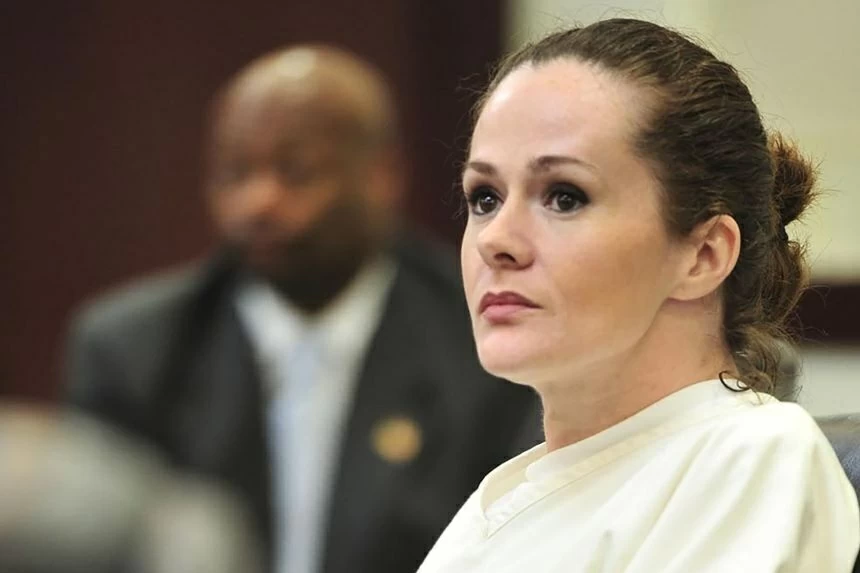
تحولت عملية تنفيذ حكم الإعدام بحق الأمريكية كريستا بايك إلى واحدة من أكثر الوقائع إثارة للجدل، بعدما فشلت المحاولة رغم استخدام نحو 10 إبر وجرعتين من العقار المخصص لتنفيذ أحكام الإعدام، لتنتهي الأحداث بعودتها إلى المستشفى ثم إلى السجن مجدداً.
وكشفت وثيقة قضائية جديدة أن الفريق المسؤول عن التنفيذ واجه صعوبات متكررة في العثور على أوردة المحكومة البالغة من العمر 50 عاماً وتركيب الخطوط الوريدية اللازمة، قبل إعطائها جرعتين من عقار (بنتوباربيتال).
وأوضح محاميها راندي سبايفي أن موكلته كانت تبدي مخاوف مسبقة من عدم تمكن المسؤولين من الوصول إلى أوردتها، مشيراً إلى أنها واصلت التنفس وإصدار أصوات تشبه الاختناق بعد تلقي العقار، قبل نقلها إلى المستشفى في حالة حرجة وإخضاعها لجهاز التنفس الاصطناعي.
وبحسب ما أوردته وكالة (أسوشيتد برس)، استعادت كريستا وعيها في أوائل أكتوبر، ثم بدأت لاحقاً التحدث والمشي بمساعدة الآخرين، قبل أن تعود إلى السجن وهي تتمتع بقدرة أكبر على الحركة والتواصل، فيما لا تزال آثار الحادثة الصحية طويلة المدى غير واضحة.
وأثارت الواقعة ردود فعل واسعة بين المتابعين والمتخصصين في ملف عقوبة الإعدام، إذ وصفتها المديرة التنفيذية لمركز معلومات عقوبة الإعدام روبن ماهر بأنها من أسوأ حالات فشل تنفيذ أحكام الإعدام التي شهدتها في العصر الحديث.
وتعود القضية إلى عام 1995 عندما أُدينت كريستا بايك بقتل زميلتها كولين سليمر، البالغة من العمر 19 عاماً، في جريمة وُصفت آنذاك بـ«الوحشية»، وصدر بحقها حكم بالإعدام.
وعلى خلفية الحادثة، أعلن حاكم ولاية تينيسي بيل لي تعليق تنفيذ أحكام الإعدام حتى نهاية عام 2026، مع تكليف جهة مستقلة بإجراء مراجعة شاملة لكشف ملابسات ما جرى وأسباب الإخفاق في تنفيذ الحكم.
The execution of American Krista Pike turned into one of the most controversial incidents after the attempt failed despite the use of about 10 needles and two doses of the drug designated for carrying out death sentences, ending with her being returned to the hospital and then back to prison again.
A new court document revealed that the execution team faced repeated difficulties in finding veins in the 50-year-old inmate and establishing the necessary intravenous lines before administering two doses of pentobarbital.
Her attorney, Randy Spivey, explained that his client had expressed prior concerns about the officials' ability to access her veins, noting that she continued to breathe and make choking sounds after receiving the drug, before being transported to the hospital in critical condition and placed on a ventilator.
According to the Associated Press, Krista regained consciousness in early October, then later began to talk and walk with assistance from others, before returning to prison with greater mobility and communication abilities, while the long-term health effects of the incident remain unclear.
The incident sparked widespread reactions among followers and specialists in the death penalty field, with Robin Maher, executive director of the Death Penalty Information Center, describing it as one of the worst cases of execution failure she has witnessed in modern times.
The case dates back to 1995 when Krista Pike was convicted of murdering her 19-year-old colleague, Colleen Slemmer, in a crime that was described at the time as "brutal," and she was sentenced to death.
In light of the incident, Tennessee Governor Bill Lee announced a suspension of executions until the end of 2026, assigning an independent body to conduct a comprehensive review to uncover the circumstances of what happened and the reasons for the failure to carry out the sentence.