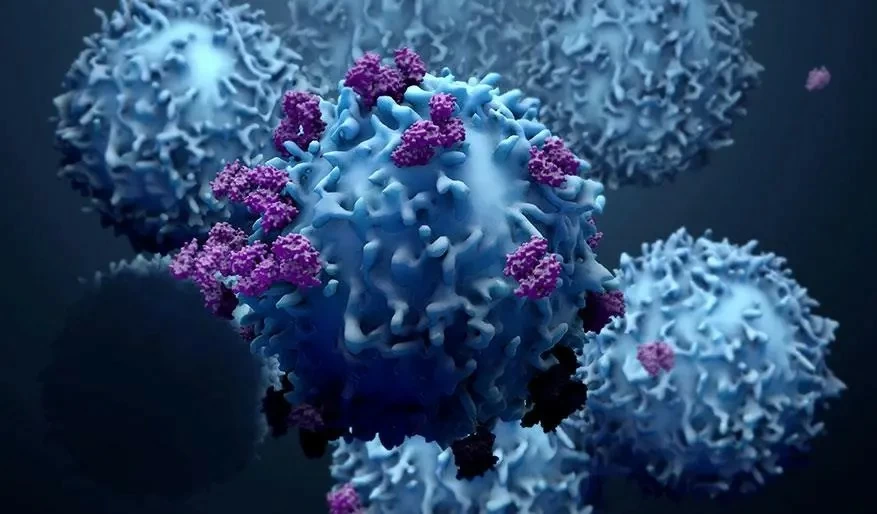
أعاد سحب دراسة سريرية من مجلة «نيتشر ميديسن» فتح باب التساؤلات بشأن تأثير توقيت إعطاء العلاج المناعي في فرص بقاء مرضى السرطان على قيد الحياة، بعدما أشارت أبحاث سابقة إلى أن تلقي الجرعات في الصباح قد يرتبط بنتائج أفضل مقارنة بالمواعيد المتأخرة.
وبحسب دورية JCO Oncology Advances، تستند هذه الفرضية، المعروفة باسم «العلاج المناعي الزمني»، إلى أن نشاط الجهاز المناعي يتغير على مدار اليوم وفق الساعة البيولوجية للجسم. لكن الجدل العلمي عاد إلى الواجهة بعد سحب دراسة كانت تقدم نتائج واعدة، ما أعاد التأكيد على ضرورة التحقق من الأدلة قبل تغيير الممارسات الطبية.
كيف تؤثر الساعة البيولوجية في العلاج المناعي؟
وتتغير بعض وظائف الجهاز المناعي خلال اليوم، بما يشمل حركة الخلايا المناعية وقدرتها على التعرف على الخلايا السرطانية ومهاجمتها. وتستهدف أدوية العلاج المناعي، المعروفة بمثبطات نقاط التفتيش المناعية، بروتينات مثل «PD-1» و«CTLA-4»، التي تستغلها الأورام للحد من نشاط الجهاز المناعي.
ومن هنا، يفترض الباحثون أن إعطاء العلاج في توقيت تكون فيه الاستجابة المناعية أكثر نشاطاً قد يحسن فعاليته، غير أن وجود اختلافات بيولوجية بين ساعات اليوم لا يثبت بالضرورة أن تغيير موعد الجرعة يؤدي إلى تحسن ملموس في فرص النجاة.
دراسة سابقة أشعلت الاهتمام بالجرعات الصباحية
وتزايد الاهتمام بالفكرة عام 2021، بعد دراسة رصدية شملت نحو 300 مريض مصاب بسرطان الجلد الميلانيني المتقدم، وأشارت إلى ارتباط تلقي نسبة أكبر من جرعات العلاج المناعي في وقت متأخر من اليوم بنتائج أقل إيجابية للبقاء على قيد الحياة.
ورغم أهمية النتائج، فإن طبيعة الدراسة الرصدية لا تسمح بإثبات أن توقيت العلاج كان السبب المباشر وراء اختلاف النتائج، إذ قد تتداخل عوامل أخرى، مثل الحالة الصحية للمريض وظروف تلقي العلاج، في تفسير الارتباط المسجل.
لماذا سحبت الدراسة السريرية؟
في مطلع عام 2026، نشرت مجلة «نيتشر ميديسن» نتائج تجربة سريرية عشوائية عرفت باسم «LungTIME-C01»، تناولت مرضى مصابين بسرطان الرئة غير صغير الخلايا في مراحل متقدمة، وقارنت بين إعطاء العلاج المناعي مع العلاج الكيميائي في وقت مبكر من اليوم أو في وقت متأخر.
وأفادت النتائج المنشورة آنذاك بأن متوسط البقاء دون تقدم المرض بلغ 11.3 شهراً لدى مجموعة العلاج المبكر، مقابل 5.7 أشهر لدى المجموعة الأخرى. كما بلغ متوسط البقاء الإجمالي 28 شهراً مقابل 16.8 شهراً.
لكن المجلة سحبت الدراسة في يونيو 2026، بعد إثارة مخاوف بشأن موثوقية البيانات وسلامة النتائج، وشملت الإشكالات المعلنة تغييرات جوهرية في تسجيل التجربة وتصميمها ونقاط النهاية ومعايير الأهلية، إلى جانب تساؤلات بشأن البيانات الإحصائية والاختلافات بين نسخ البروتوكول.
ولا يعني سحب الدراسة أن فرضية العلاج المناعي الزمني خاطئة بالضرورة، لكنه يزيل إحدى الدراسات العشوائية التي كان يعتقد أنها تقدم دعماً مهماً لها.
ماذا تكشف الأدلة المتاحة؟
وأظهر تحليل تلوي ومراجعة منهجية نشرا عام 2026، وشملا 29 دراسة و6129 مريضاً بأنواع مختلفة من السرطان، ارتباط إعطاء العلاج المناعي في وقت مبكر بتحسن البقاء الإجمالي والبقاء دون تقدم المرض.
لكن 27 دراسة من أصل 29 كانت رصدية، وصنفت غالبية الدراسات ضمن مستويات متوسطة أو مرتفعة من خطر التحيز، كما أن التجربة العشوائية الوحيدة في التحليل كانت الدراسة التي سحبت لاحقاً.
وتعني هذه المحددات أن النتائج لا تثبت أن الجرعات الصباحية تقلل خطر الوفاة لدى جميع المرضى، ولا تضمن تحقق الفائدة نفسها لدى مختلف أنواع السرطان.
ويشير الباحثون كذلك إلى أن الدراسات لم تعتمد تعريفاً موحداً للتوقيت المبكر والمتأخر؛ إذ اختلفت الحدود الزمنية المستخدمة، ما قد يؤثر في المقارنات والاستنتاجات الإحصائية.
هل يمكن أن تؤثر عوامل أخرى في النتائج؟
ويرتبط موعد العلاج في الممارسة اليومية بتوافر المواعيد، وظروف المريض وقدرته على التنقل، فضلاً عن تنظيم العمل داخل المراكز الطبية. وقد يحصل بعض المرضى الأكثر قدرة على الحركة أو الأكثر مرونة في مواعيدهم على جرعات صباحية بسهولة أكبر، في حين يواجه آخرون صعوبة في ذلك.
وتؤثر بعض هذه العوامل في الحالة الصحية وفرص البقاء، ما يجعل من الصعب فصل أثر توقيت العلاج عن بقية المتغيرات في الدراسات الرصدية.
كما يطرح طول المفعول الدوائي لمثبطات نقاط التفتيش المناعية تساؤلات إضافية؛ إذ يمكن أن تبقى هذه الأدوية في الدورة الدموية لأسابيع، ما يستدعي تفسيراً علمياً أدق لكيفية إحداث اختلاف في النتائج نتيجة تغيير موعد الجرعة بضع ساعات فقط.
ما الخطوة التالية؟
يرى الباحثون أن حسم المسألة يتطلب تجارب سريرية عشوائية مستقبلية، تحدد مواعيد العلاج مسبقاً، وتقلل احتمالات التحيز، مع تكرار النتائج في مراكز طبية ودول مختلفة.
وتهدف دراسات أخرى إلى اختبار تأثير توقيت العلاج المناعي لدى مرضى سرطان الرئة وسرطان المسالك البولية وأنواع مختارة من الأورام المتقدمة، لمعرفة ما إذا كانت الفائدة المحتملة تختلف بحسب نوع السرطان أو العلاج المستخدم.
The retraction of a clinical study from the journal "Nature Medicine" has reopened questions about the impact of the timing of immunotherapy on the survival chances of cancer patients, after previous research indicated that receiving doses in the morning might be associated with better outcomes compared to later times.
According to the journal JCO Oncology Advances, this hypothesis, known as "temporal immunotherapy," is based on the fact that immune system activity changes throughout the day according to the body's biological clock. However, the scientific debate has resurfaced after the retraction of a study that was presenting promising results, reaffirming the need to verify evidence before changing medical practices.
How does the biological clock affect immunotherapy?
Some immune system functions change throughout the day, including the movement of immune cells and their ability to recognize and attack cancer cells. Immunotherapy drugs, known as checkpoint inhibitors, target proteins such as "PD-1" and "CTLA-4," which tumors exploit to reduce immune system activity.
From this, researchers hypothesize that administering treatment at a time when the immune response is more active may enhance its effectiveness; however, the existence of biological differences between hours of the day does not necessarily prove that changing the timing of the dose leads to a significant improvement in survival chances.
A previous study sparked interest in morning doses
Interest in the idea increased in 2021, following an observational study involving about 300 patients with advanced melanoma, which indicated that receiving a larger proportion of immunotherapy doses later in the day was associated with less positive survival outcomes.
Despite the importance of the results, the nature of the observational study does not allow for proving that the timing of treatment was the direct cause of the differences in outcomes, as other factors, such as the patient's health status and treatment conditions, may interfere in explaining the recorded association.
Why was the clinical study retracted?
In early 2026, "Nature Medicine" published the results of a randomized clinical trial known as "LungTIME-C01," which addressed patients with advanced non-small cell lung cancer, comparing the administration of immunotherapy with chemotherapy either early or late in the day.
The published results at that time indicated that the median progression-free survival was 11.3 months in the early treatment group, compared to 5.7 months in the other group. The overall median survival was 28 months versus 16.8 months.
However, the journal retracted the study in June 2026, after concerns were raised about the reliability of the data and the safety of the results, with the announced issues including substantial changes in the trial's registration, design, endpoints, and eligibility criteria, along with questions regarding statistical data and differences between protocol versions.
The retraction of the study does not necessarily mean that the hypothesis of temporal immunotherapy is wrong, but it removes one of the randomized studies that was believed to provide significant support for it.
What do the available evidences reveal?
A meta-analysis and systematic review published in 2026, which included 29 studies and 6129 patients with various types of cancer, showed that administering immunotherapy early was associated with improved overall survival and progression-free survival.
However, 27 out of 29 studies were observational, and the majority of studies were classified as having moderate to high risk of bias, while the only randomized trial in the analysis was the one that was later retracted.
These limitations mean that the results do not prove that morning doses reduce the risk of death for all patients, nor do they guarantee that the same benefit will be realized across different types of cancer.
Researchers also point out that the studies did not adopt a unified definition of early and late timing; the time frames used varied, which may affect comparisons and statistical conclusions.
Could other factors influence the results?
The timing of treatment in daily practice is related to appointment availability, the patient's circumstances and mobility, as well as the organization of work within medical centers. Some patients who are more mobile or have more flexible schedules may receive morning doses more easily, while others may face difficulties in doing so.
Some of these factors affect health status and survival chances, making it difficult to separate the effect of treatment timing from other variables in observational studies.
The duration of action of checkpoint inhibitors also raises additional questions; these drugs can remain in the bloodstream for weeks, necessitating a more precise scientific explanation of how a difference in results could occur due to changing the timing of the dose by just a few hours.
What is the next step?
Researchers believe that resolving the issue requires future randomized clinical trials that predefine treatment timings and reduce the likelihood of bias, with results repeated in different medical centers and countries.
Other studies aim to test the effect of immunotherapy timing in patients with lung cancer, urinary tract cancer, and selected types of advanced tumors, to determine whether the potential benefit varies by cancer type or treatment used.