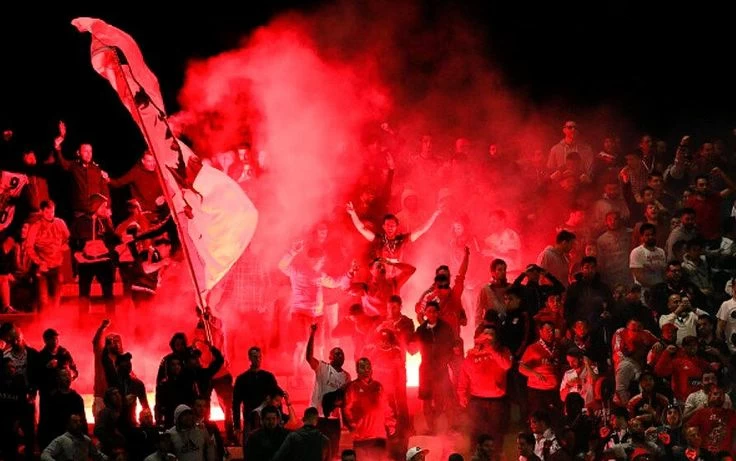
بعد 14 عاماً على أحداث استاد بورسعيد، التي أسفرت عن مقتل 72 من مشجعي النادي الأهلي، عاد الملف إلى الواجهة مجدداً، مع كشف وزير الداخلية المصري الأسبق اللواء محمد إبراهيم يوسف، روايته بشأن ما سبق الواقعة والملابسات التي أحاطت بها.
وقال إبراهيم، خلال حواره مع الإعلامي مصطفى بكري في بودكاست «شهادة للتاريخ»، المذاع عبر قناة «صدى البلد»، إن الاستعدادات الأمنية لمباراة المصري والأهلي، التي أقيمت في الأول من فبراير 2012، كانت، بحسب روايته، على أعلى مستوى، لكنه حذّر في الوقت ذاته من إقامة اللقاء في بورسعيد.
تحذير من إقامة المباراة
وأوضح أنه تواصل مع مدير أمن بورسعيد آنذاك، اللواء عصام الدين، وطالبه بإلغاء المباراة أو نقلها إلى ملعب آخر، إلا أن الأخير أبلغه بأن اللقاء سيقام في بورسعيد، وفق رواية وزير الداخلية الأسبق.
وأضاف أن وزارة الداخلية شكلت لجنة ضمت قطاعات الأمن العام والأمن الوطني والمباحث الجنائية والأمن المركزي لدراسة الموقف، مشيراً إلى أن اللجنة انتهت إلى إمكانية إقامة المباراة، بعد تقييم مختلف الجوانب الأمنية المحيطة بها.
ارتباك بعد هدفَي المصري
وبحسب إبراهيم، فإن ما حدث داخل استاد بورسعيد لم يكن متوقعاً في ضوء التقديرات الأمنية التي سبقت المباراة، لافتاً إلى أن فريق المصري كان متقدماً على الأهلي بهدفين دون مقابل، وأن عنصر المفاجأة أدى إلى ارتباك القوات الموجودة في محيط الملعب.
وأكد وزير الداخلية الأسبق أن القوات كانت موجودة بالفعل وفق الخطط الأمنية الموضوعة، لكنه أشار إلى أن قرار إقامة المباراة في بورسعيد اتُخذ من المسؤولين الموجودين هناك، في وقت كان يرى فيه أن نقلها أو إلغاءها قد يكون أكثر أماناً.
اتهام للإخوان
وتحدث إبراهيم عن رؤيته للجهات التي يعتقد أنها وقفت وراء حالة الفوضى التي شهدتها المدينة، متهماً جماعة الإخوان المسلمين بالوقوف وراء الأحداث، ومشيراً إلى توقيف عدد من المشاركين في أعمال الشغب خلال عام 2013، وفق روايته.
وربط وزير الداخلية الأسبق بين أحداث بورسعيد وتطورات لاحقة شهدتها المدينة، من بينها اقتحام سجن بورسعيد وإخراج عدد من المحتجزين، كما تحدث عن دور قال إن بعض نواب بورسعيد لعبوه في تلك التطورات.
72 قتيلاً وأحكام قضائية
وتعد أحداث بورسعيد، التي وقعت عقب مباراة المصري والأهلي في الأول من فبراير 2012، من أكثر الوقائع دموية في تاريخ كرة القدم المصرية، إذ أسفرت أعمال العنف التي اندلعت داخل استاد بورسعيد ومحيطه عن مقتل 72 من مشجعي الأهلي وإصابة آخرين.
وخضعت الواقعة لتحقيقات ومحاكمات استمرت لسنوات، وانتهت محكمة النقض المصرية في عام 2017 إلى تأييد أحكام الإعدام بحق 10 متهمين، إلى جانب أحكام أخرى بحق عدد من المتهمين في القضية.
وأكدت المحكمة، في حيثيات حكمها النهائي، ثبوت نية القتل لدى المتهمين الذين أدانتهم، وفق ما ورد في الحكم.
Fourteen years after the Port Said Stadium events, which resulted in the deaths of 72 Al Ahly club fans, the case has resurfaced, with former Egyptian Interior Minister Major General Mohamed Ibrahim Youssef revealing his account of the events leading up to the incident and the circumstances surrounding it.
Ibrahim stated during his interview with journalist Mustafa Bakri on the podcast "Testimony for History," broadcast on "Sada Elbalad" channel, that the security preparations for the match between Al Masry and Al Ahly, held on February 1, 2012, were, according to his account, at the highest level. However, he simultaneously warned against holding the match in Port Said.
Warning Against Holding the Match
He explained that he communicated with the then-Director of Port Said Security, Major General Essam El-Din, and urged him to cancel the match or move it to another stadium. However, the latter informed him that the match would take place in Port Said, according to the former Interior Minister's account.
He added that the Ministry of Interior formed a committee that included sectors of public security, national security, criminal investigations, and central security to study the situation, noting that the committee concluded that it was possible to hold the match after assessing various security aspects surrounding it.
Confusion After Al Masry's Two Goals
According to Ibrahim, what happened inside Port Said Stadium was unexpected in light of the security assessments that preceded the match, pointing out that Al Masry was leading Al Ahly by two goals to none, and the element of surprise led to confusion among the forces present around the stadium.
The former Interior Minister confirmed that the forces were indeed present according to the established security plans, but he indicated that the decision to hold the match in Port Said was made by the officials present there, at a time when he believed that moving or canceling it might have been safer.
Accusation Against the Brotherhood
Ibrahim spoke about his view of the entities he believes were behind the chaos witnessed in the city, accusing the Muslim Brotherhood of being behind the events and mentioning the arrest of several participants in the riots in 2013, according to his account.
The former Interior Minister linked the Port Said events to subsequent developments in the city, including the storming of Port Said prison and the release of several detainees, and he spoke about a role that some Port Said MPs allegedly played in those developments.
72 Dead and Judicial Sentences
The Port Said events, which occurred after the match between Al Masry and Al Ahly on February 1, 2012, are among the bloodiest incidents in the history of Egyptian football, as the violence that erupted inside and around Port Said Stadium resulted in the deaths of 72 Al Ahly fans and injuries to others.
The incident underwent investigations and trials that lasted for years, and in 2017, the Egyptian Court of Cassation upheld death sentences against 10 defendants, along with other sentences against several defendants in the case.
The court confirmed in the reasoning of its final ruling that the intention to kill was established among the defendants it convicted, as stated in the ruling.