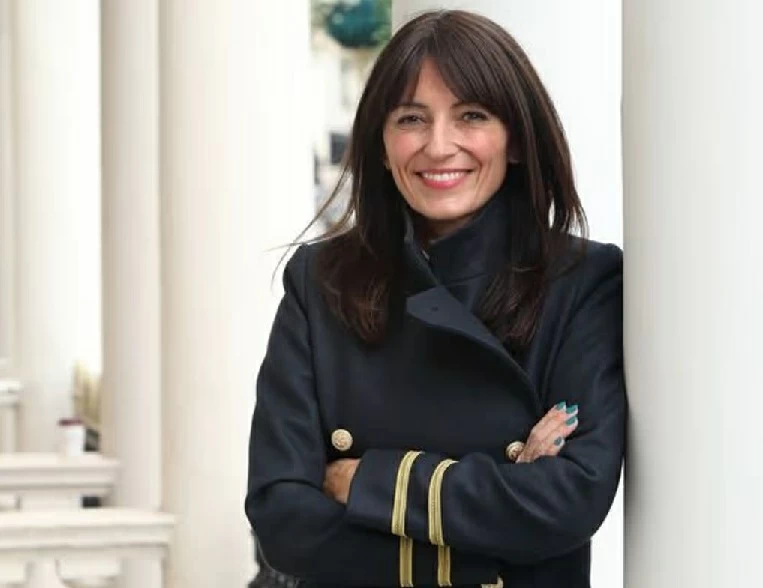
تحولت أرييل بروس إلى واحدة من أبرز الأسماء في عالم البحث عن العائلات المفقودة، بعد أن نجحت خلال سنوات عملها في لمّ شمل مئات الأسر عبر برنامج تلفزيوني؛ ما جعلها تُلقّب في بريطانيا بـ(أجاثا كريستي التبنّي) نظرًا لقدرتها على حلّ ألغاز عائلية معقدة تمتد عبر قارات عدة.
ومنذ انطلاق برنامج (Long Lost Family) عام 2011، قادت بروس وفريقها أكثر من 1320 عملية بحث في ست قارات، وأسهموا في ترتيب 887 لقاءً بين أفراد عائلات فرّقتهم ظروف التبني أو الانفصال لسنوات طويلة.
وتعود قصة أنيتا إلى صورة قديمة عثرت عليها في خزانة والدتها وهي طفلة، لتكتشف لاحقًا أن والدتها أنجبت طفلًا في سن السادسة عشرة قبل أن تُجبر على التخلي عنه. وبعد عقود من الصمت، بدأت أنيتا رحلة البحث عن شقيقها المفقود، لتكتشف أنه يعيش على بعد 11 كيلومترًا فقط منها.
وتؤكد بروس أن التطور الأكبر في هذا المجال جاء مع تقنيات تحليل الحمض النووي، التي جعلت العثور على أقارب مفقودين أمرًا ممكنًا بعد أن كان مستحيلًا في الماضي. وتشير إلى أن بعض الحالات التي لم تتمكن من حلّها قبل 20 عامًا أصبحت قابلة للحل اليوم بفضل قواعد البيانات الجينية. كما شهدت حالات تغيّر فيها موقف أفراد العائلة بعد عرض القصص على التلفزيون؛ من بينها رجل رفض التواصل مع ابنته البيولوجية في البداية، قبل أن يشاهد الحلقة ويقرر التواصل معها لاحقًا.
وتستند خبرة بروس إلى تجربتها الشخصية؛ إذ وُلدت في هامبستيد (شمالي لندن) خلال خمسينيات القرن الماضي، وعاشت فترة تحت رعاية السلطات قبل أن تنتقل إلى أسرة حاضنة. وبعد سنوات من العمل الاجتماعي، انضمت إلى البرنامج مستفيدة من خبرة تمتد لـ25 عامًا، قبل أن تتراجع عن دورها القيادي وتعمل مستشارة، بينما تولت ابنتها لوتي قيادة فريق البحث.
وتشرح بروس آلية البحث التي تبدأ بالحصول على سجلات الميلاد أو ملفات التبني، ثم تتبع السجلات العامة للمواليد والزواج والوفيات عبر قواعد بيانات ومكتبات محلية. وتشدد على ضرورة تدخل وسيط مهني عند الوصول إلى الشخص المطلوب، لضمان تواصل آمن وحساس بين الطرفين، وحماية الجوانب النفسية لكلاهما.
Ariel Bruce has become one of the most prominent names in the world of searching for missing families, after successfully reuniting hundreds of families through a television program during her years of work; this has earned her the nickname in Britain of (the Agatha Christie of adoption) due to her ability to solve complex family mysteries that span multiple continents.
Since the launch of the (Long Lost Family) program in 2011, Bruce and her team have led over 1,320 search operations across six continents, helping to arrange 887 meetings between family members separated by adoption or estrangement for many years.
Anita's story goes back to an old photograph she found in her mother's closet as a child, later discovering that her mother had given birth to a child at the age of sixteen before being forced to give him up. After decades of silence, Anita began her journey to search for her missing brother, only to find out that he lives just 11 kilometers away from her.
Bruce confirms that the biggest advancement in this field has come with DNA analysis techniques, which have made finding missing relatives possible after being impossible in the past. She points out that some cases she couldn't solve 20 years ago are now solvable thanks to genetic databases. She has also witnessed cases where family members changed their stance after their stories were aired on television; among them was a man who initially refused to contact his biological daughter, before watching the episode and deciding to reach out to her later.
Bruce's expertise is based on her personal experience; she was born in Hampstead (North London) in the 1950s and lived for a time under the care of authorities before moving to a foster family. After years of social work, she joined the program, benefiting from 25 years of experience, before stepping back from her leadership role to work as a consultant, while her daughter Lottie took over leading the search team.
Bruce explains the search mechanism, which begins by obtaining birth records or adoption files, then tracing public records of births, marriages, and deaths through databases and local libraries. She emphasizes the necessity of involving a professional intermediary when reaching out to the desired person, to ensure safe and sensitive communication between both parties, and to protect the psychological aspects for both.