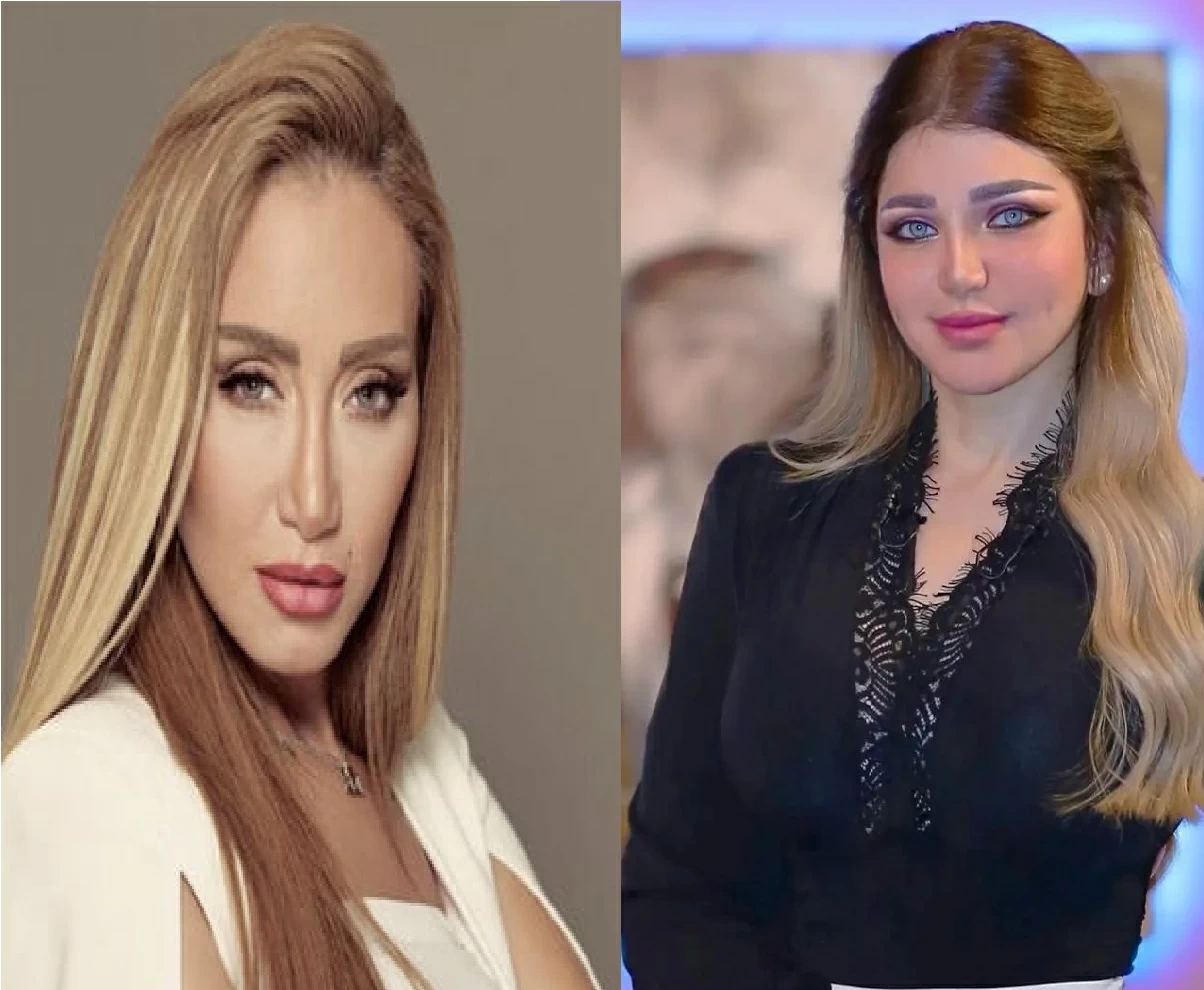
في قرار يسلط الضوء على امتداد المسؤولية المهنية للإعلاميين إلى ما ينشرونه عبر منصات التواصل الاجتماعي، قرر المجلس الأعلى لتنظيم الإعلام في مصر منع الإعلاميتين ريهام سعيد وياسمين الخطيب من الظهور لمدة شهرين، على جميع الوسائل الإعلامية الخاضعة لأحكام قانون تنظيم الصحافة والإعلام.
وجاء القرار بعد تحقيق المجلس في شكاوى متبادلة تقدمت بها كل من سعيد والخطيب، إلى جانب ما رصدته الإدارة العامة للرصد بالمجلس من تراشق بينهما عبر حساباتهما على مواقع التواصل الاجتماعي، وهو ما اعتبره المجلس مخالفًا للقيم والضوابط المجتمعية والأصول المهنية المنظمة للعمل الإعلامي.
ووافق المجلس، برئاسة المهندس خالد عبدالعزيز، على توصيات لجنة الشكاوى برئاسة وكيل المجلس الإعلامي عصام الأمير، بشأن منع ظهور الإعلاميتين لمدة شهرين.
المسؤولية تمتد إلى مواقع التواصل
وأكد المجلس الأعلى لتنظيم الإعلام أن المسؤولية المهنية للإعلامي لا تقتصر على ما يقدمه عبر شاشات التلفزيون أو المنصات الإعلامية، وإنما تمتد أيضًا إلى ما ينشره أو يتداوله عبر حساباته على مواقع التواصل الاجتماعي.
وأوضح أن الحسابات الشخصية للإعلاميين أصبحت جزءًا من المجال العام، بما يستوجب الالتزام بالقواعد المهنية واحترام طبيعة العمل الإعلامي، وما تفرضه من ضوابط على الخطاب والسلوك، بما يحافظ على مكانة المهنة واحترام الجمهور.
بداية الخلاف من نقابة الإعلاميين
وسبق قرار المجلس تحرك من نقابة الإعلاميين بشأن الخلاف بين الطرفين، إذ تلقت النقابة في 13 سبتمبر 2026 شكويين من ريهام سعيد ضد الإعلامي محمد الدسوقي رشدي، مقدم برنامج «هنا القاهرة» على قناة MTI مودرن، وضد ياسمين الخطيب، مقدمة برنامج «تحت الشمس» على قناة الشمس.
وقالت سعيد في شكواها إنها تعرضت، بحسب ما ورد فيها، للسب والتشهير والخوض في حياتها الشخصية، إلى جانب الانتقاص من مهنيتها الإعلامية، عبر ما قدمه المشكو في حقهما.
وأكدت النقابة آنذاك أنها تعاملت مع الشكاوى وفق اللوائح المنظمة، وأتاحت للأطراف المعنية فرصة عرض وجهات نظرهم والرد على ما ورد في الشكاوى.
وفي 19 سبتمبر، أعلن نقيب الإعلاميين طارق سعدة حسم الشكويين، عقب حضور الأطراف المشكو في حقها إلى مقر النقابة والرد على ما جاء فيهما.
ونفى رشدي أن يكون قصده الانتقاص من ريهام سعيد، مؤكدًا احترامه لها ولزملائه في الوسط الإعلامي، فيما قالت ياسمين الخطيب إن حديثها لم يتضمن، بحسب روايتها، الإشارة إلى أي زميل بالاسم أو التلميح إليه.
وشدد نقيب الإعلاميين في ذلك الوقت على ضرورة الالتزام بميثاق الشرف الإعلامي والحفاظ على حقوق الزمالة المهنية.
الخلاف ينتقل إلى «الأعلى للإعلام»
ورغم تدخل نقابة الإعلاميين، انتقل الخلاف لاحقًا إلى المجلس الأعلى لتنظيم الإعلام من خلال شكاوى متبادلة بين ريهام سعيد وياسمين الخطيب، قبل أن يصدر المجلس قراره بمنع ظهورهما لمدة شهرين.
قرارات سابقة بحق الإعلاميتين
ولا يُعد القرار الأخير الأول من نوعه بحق الإعلاميتين،ففي أكتوبر 2024، قرر المجلس الأعلى لتنظيم الإعلام وقف برنامج «صبايا» الذي كانت تقدمه ريهام سعيد على قناة «هي» لمدة شهرين، مع تغريم القناة 100 ألف جنيه، على خلفية مخالفات مرتبطة بالمحتوى الذي جرى بثه.
كما سبق للمجلس أن قرر وقف برنامج «شاي بالياسمين» الذي قدمته ياسمين الخطيب على قناة «النهار» لمدة ستة أشهر، إلى جانب تغريم القناة 200 ألف جنيه، بسبب مخالفات تتعلق بالأكواد والمعايير الإعلامية.
وفي نوفمبر 2025، أصدر المجلس قرارًا بمنع ياسمين الخطيب من الظهور لمدة ثلاثة أشهر، إلى جانب الإعلامية بسمة وهبة، بسبب مخالفات مرتبطة بما نُشر عبر حساباتهما على مواقع التواصل الاجتماعي، مع توجيه إنذار إلى حساب الخطيب على «فيسبوك».
تشديد الرقابة على المحتوى الإعلامي
ويأتي القرار الجديد في إطار تشديد المجلس الأعلى لتنظيم الإعلام رقابته على المحتوى المقدم عبر وسائل الإعلام والمنصات الرقمية.
وفي 27 سبتمبر الماضي، وافق المجلس على إيقاف بث ثلاثة برامج على قناتي «الحدث اليوم» و«الشمس»، على خلفية مخالفات للأكواد الإعلامية وخلط المحتوى الإعلامي بالمادة الإعلانية.
كما قرر المجلس في 24 سبتمبر استدعاء ممثلين قانونيين عن مواقع إلكترونية بسبب مخالفات تتعلق بضوابط احترام الحياة الخاصة للمواطنين.
ويؤكد المجلس من خلال هذه القرارات أن قواعد العمل الإعلامي لا تقتصر على البرامج والقنوات والمنصات الرسمية، وإنما تمتد كذلك إلى المحتوى الذي ينشره الإعلاميون عبر حساباتهم الشخصية، باعتبارها جزءًا من المجال العام.
In a decision that highlights the extension of professional responsibility for journalists to what they publish on social media platforms, the Supreme Council for Media Regulation in Egypt has decided to ban journalists Riham Said and Yasmin El Khatib from appearing for two months on all media outlets subject to the provisions of the Press and Media Regulation Law.
The decision came after the council investigated mutual complaints filed by both Said and El Khatib, in addition to what the General Administration for Monitoring at the council observed regarding their exchanges on their social media accounts, which the council deemed contrary to societal values, community standards, and the professional principles governing media work.
The council, chaired by Engineer Khaled Abdelaziz, approved the recommendations of the Complaints Committee, headed by the council's media agent Issam Al-Amir, regarding the ban on the two journalists for two months.
Responsibility Extends to Social Media
The Supreme Council for Media Regulation confirmed that the professional responsibility of a journalist is not limited to what they present on television screens or media platforms, but also extends to what they publish or circulate through their accounts on social media.
It clarified that journalists' personal accounts have become part of the public domain, which necessitates adherence to professional standards and respect for the nature of media work, as well as the regulations it imposes on discourse and behavior, in order to maintain the profession's status and respect from the audience.
The Dispute Originated from the Journalists' Syndicate
Prior to the council's decision, the Journalists' Syndicate took action regarding the dispute between the two parties, as the syndicate received on September 13, 2026, two complaints from Riham Said against journalist Mohamed El Desouki Rushdi, presenter of the program "Here Cairo" on MTI Modern Channel, and against Yasmin El Khatib, presenter of the program "Under the Sun" on Al Shams Channel.
Said stated in her complaint that she was subjected to defamation and slander, and that her personal life was intruded upon, in addition to undermining her media professionalism, through what was presented by the accused.
The syndicate confirmed at that time that it dealt with the complaints according to the governing regulations, and provided the concerned parties with the opportunity to present their viewpoints and respond to what was stated in the complaints.
On September 19, the syndicate's head, Tarek Saada, announced the resolution of the two complaints, following the attendance of the accused parties at the syndicate's headquarters to respond to the allegations.
Rushdi denied intending to undermine Riham Said, affirming his respect for her and his colleagues in the media field, while Yasmin El Khatib stated that her comments did not include, according to her account, any reference to any colleague by name or implication.
The head of the Journalists' Syndicate at that time emphasized the necessity of adhering to the media code of honor and preserving professional fellowship rights.
The Dispute Moves to the "Supreme Media Council"
Despite the intervention of the Journalists' Syndicate, the dispute later escalated to the Supreme Council for Media Regulation through mutual complaints between Riham Said and Yasmin El Khatib, before the council issued its decision to ban their appearances for two months.
Previous Decisions Against the Two Journalists
This latest decision is not the first of its kind against the two journalists. In October 2024, the Supreme Council for Media Regulation decided to suspend the program "Sabaya," which was presented by Riham Said on "Hi" Channel for two months, and fined the channel 100,000 Egyptian pounds, due to violations related to the content that was broadcast.
The council had also previously decided to suspend the program "Tea with Jasmine," presented by Yasmin El Khatib on Al-Nahar Channel for six months, along with a fine of 200,000 Egyptian pounds, due to violations related to media codes and standards.
In November 2025, the council issued a decision banning Yasmin El Khatib from appearing for three months, along with journalist Basma Wahba, due to violations related to what was published through their social media accounts, with a warning directed to El Khatib's Facebook account.
Strengthening Oversight on Media Content
The new decision comes as part of the Supreme Council for Media Regulation's efforts to tighten its oversight on the content presented through media outlets and digital platforms.
On September 27, the council approved the suspension of three programs on the channels "Al-Hadath Al-Youm" and "Al-Shams," due to violations of media codes and mixing media content with advertising material.
The council also decided on September 24 to summon legal representatives from websites due to violations related to respecting citizens' privacy.
Through these decisions, the council emphasizes that the rules of media work are not limited to programs, channels, and official platforms, but also extend to the content that journalists publish through their personal accounts, considering it part of the public domain.