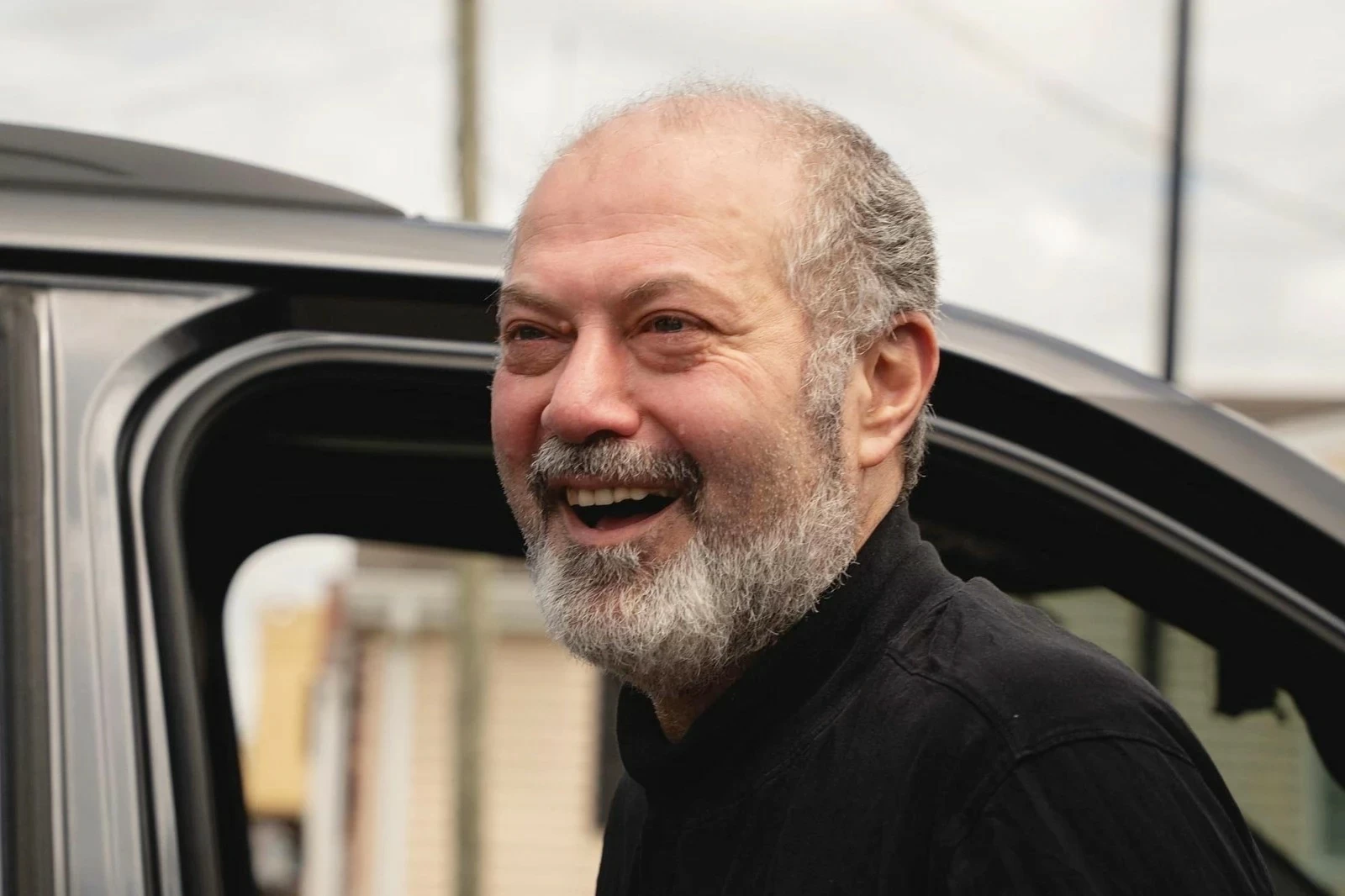
أصدر قاضٍ أمريكي للهجرة حكمًا يسمح للحكومة الأمريكية بترحيل الفلسطيني أمريكي صلاح سرسور، رئيس أكبر مسجد في ولاية ويسكونسن وحامل الإقامة الدائمة في الولايات المتحدة، استنادًا إلى أحكام قانون قديم يعود إلى فترة الحرب الباردة.
وقضت قاضية محكمة الهجرة في شيكاغو جيمي ساليناردي، في وقت متأخر من (الثلاثاء)، لمصلحة الحكومة الأمريكية في عدد من أسباب الترحيل، بعدما خلصت إلى أن سرسور يشكل، وفق الأساس القانوني الذي قدمته الحكومة، تهديدًا للأمن والسياسة الخارجية الأمريكية.
وفي المقابل، رفضت القاضية ادعاء الحكومة بأن سرسور قدم معلومات كاذبة عند حصوله على بطاقة الإقامة الدائمة المعروفة باسم "غرين كارد".
الحكومة ترحب وسرسور يستأنف
من جانبها، رحبت وزارة الأمن الداخلي الأمريكية بالحكم، وقالت إن القاضية "أقرت عدة أسباب للترحيل" في القضية.
من جانبه، أعلن سرسور أن فريقه القانوني سيستأنف القرار، واصفًا الحكم بأنه "مخيّب للآمال بشدة"، ومؤكدًا أنه سيواصل، بحسب بيانه، الدفاع عن ما يعتبره حقًا وعدالة للفلسطينيين.
ولا يمكن ترحيل سرسور في الوقت الحالي، إذ يحق له مواصلة الطعن في القرار عبر المسارات القانونية المتاحة أمامه.
ويقول سرسور إن ترحيله إلى الضفة الغربية قد يعرض حياته للخطر.
احتجاز دام نحو ثلاثة أشهر
وكانت سلطات إنفاذ قوانين الهجرة والجمارك الأمريكية احتجزت سرسور في أواخر مارس، قبل أن يُفرج عنه في منتصف يونيو، بعدما خلص قاضٍ اتحادي إلى أنه قدم ادعاءً جوهريًا بأن احتجازه جاء ردًا على ممارسته لحقه في حرية التعبير، وهو ما قد يجعل استمرار احتجازه غير قانوني.
وسرسور، الذي نشأ في الضفة الغربية الخاضعة للاحتلال الإسرائيلي، يعيش في الولايات المتحدة منذ أكثر من ثلاثة عقود، بحسب الجمعية الإسلامية في ميلووكي، التي يتولى رئاسة مسجدها، وهو أكبر مسجد في ولاية ويسكونسن.
وقالت الجمعية إن سرسور تعرض للاستهداف بسبب خلفيته الفلسطينية والمسلمة ونشاطه المؤيد لحقوق الفلسطينيين.
قضية قديمة تعود إلى الواجهة
وتستند الحكومة الأمريكية في قضيتها إلى إدانة حصلت عندما كان سرسور مراهقًا أمام محكمة عسكرية إسرائيلية قبل انتقاله إلى الولايات المتحدة.
وتقول إدارة الرئيس دونالد ترمب إن سرسور أُدين بإلقاء زجاجات حارقة "مولوتوف" على منازل أفراد من القوات الإسرائيلية.
لكن سرسور ينفي ارتكاب هذه الجرائم، ويقول إنه تعرض للتعذيب والإكراه للحصول على اعترافات سابقة، كما يؤكد أن الحكومة الأمريكية كانت على علم بهذه المعلومات منذ عقود.
جدل حول حرية التعبير والحقوق الفلسطينية
وتأتي قضية سرسور في سياق أوسع من الإجراءات التي اتخذتها إدارة ترمب تجاه ناشطين ومحتجين مؤيدين للفلسطينيين في الولايات المتحدة.
وقد سعت الإدارة إلى ترحيل بعض المتظاهرين الأجانب المؤيدين للفلسطينيين، كما هددت بوقف التمويل عن جامعات شهدت احتجاجات، ووسعت عمليات التدقيق في نشاط المهاجرين على وسائل التواصل الاجتماعي.
وتقول إدارة ترمب إن بعض الأصوات المؤيدة للفلسطينيين تحمل توجهات معادية للسامية أو تقدم دعمًا لجماعات متطرفة.
ظروف صحية خلال الاحتجاز
وخلال فترة احتجازه لدى سلطات الهجرة، قالت هيئة الدفاع عن سرسور إنه يعاني من مرض السكري من النوع الثاني، وإنه فقد نحو 14 كيلوغرامًا، أثناء وجوده في الاحتجاز.
كما تشير المعلومات الواردة في القضية إلى أن سرسور لا يملك سجلًا جنائيًا في الولايات المتحدة، بينما تعود القضية التي تستند إليها الحكومة إلى فترة مراهقته في الضفة الغربية.
ويفتح الحكم الأخير مرحلة جديدة من المعركة القانونية، إذ يعتزم سرسور ومحاموه الطعن في قرار الترحيل، ما يعني أن القضية لم تصل بعد إلى مرحلتها النهائية.
An American immigration judge has issued a ruling allowing the U.S. government to deport Palestinian-American Salah Sarsour, the head of the largest mosque in Wisconsin and a permanent resident of the United States, based on provisions of an old law dating back to the Cold War era.
Immigration Judge Jamie Salinardi in Chicago ruled late on Tuesday in favor of the U.S. government on several grounds for deportation, concluding that Sarsour poses, according to the legal basis presented by the government, a threat to U.S. security and foreign policy.
In contrast, the judge rejected the government's claim that Sarsour provided false information when obtaining his permanent residency card, known as a "green card."
The Government Welcomes, Sarsour Appeals
For its part, the U.S. Department of Homeland Security welcomed the ruling, stating that the judge "recognized several grounds for deportation" in the case.
For his part, Sarsour announced that his legal team would appeal the decision, describing the ruling as "deeply disappointing," and affirming that he will continue, according to his statement, to defend what he considers a right and justice for Palestinians.
Sarsour cannot be deported at this time, as he has the right to continue appealing the decision through the legal avenues available to him.
Sarsour states that his deportation to the West Bank could put his life at risk.
Detention Lasting Nearly Three Months
The U.S. Immigration and Customs Enforcement authorities detained Sarsour in late March before releasing him in mid-June, after a federal judge concluded that he made a substantial claim that his detention was in response to his exercise of his right to free speech, which could render his continued detention unlawful.
Sarsour, who grew up in the Israeli-occupied West Bank, has lived in the United States for over three decades, according to the Islamic Association of Milwaukee, which he leads, and is the largest mosque in Wisconsin.
The association stated that Sarsour has been targeted because of his Palestinian and Muslim background and his advocacy for Palestinian rights.
An Old Case Resurfaces
The U.S. government bases its case on a conviction that Sarsour received when he was a teenager in front of an Israeli military court before moving to the United States.
The Trump administration claims that Sarsour was convicted of throwing Molotov cocktails at the homes of Israeli forces.
However, Sarsour denies committing these crimes, stating that he was tortured and coerced into making previous confessions, and he asserts that the U.S. government has been aware of this information for decades.
Debate Over Free Speech and Palestinian Rights
Sarsour's case comes in the context of broader actions taken by the Trump administration against pro-Palestinian activists and protesters in the United States.
The administration has sought to deport some foreign pro-Palestinian demonstrators, threatened to cut funding to universities that witnessed protests, and expanded scrutiny of immigrants' activities on social media.
The Trump administration claims that some pro-Palestinian voices carry anti-Semitic sentiments or provide support to extremist groups.
Health Conditions During Detention
During his detention by immigration authorities, Sarsour's defense team stated that he suffers from type 2 diabetes and that he lost about 14 kilograms while in custody.
Additionally, information in the case indicates that Sarsour has no criminal record in the United States, while the case on which the government relies dates back to his teenage years in the West Bank.
The recent ruling opens a new phase in the legal battle, as Sarsour and his lawyers intend to appeal the deportation decision, meaning that the case has not yet reached its final stage.