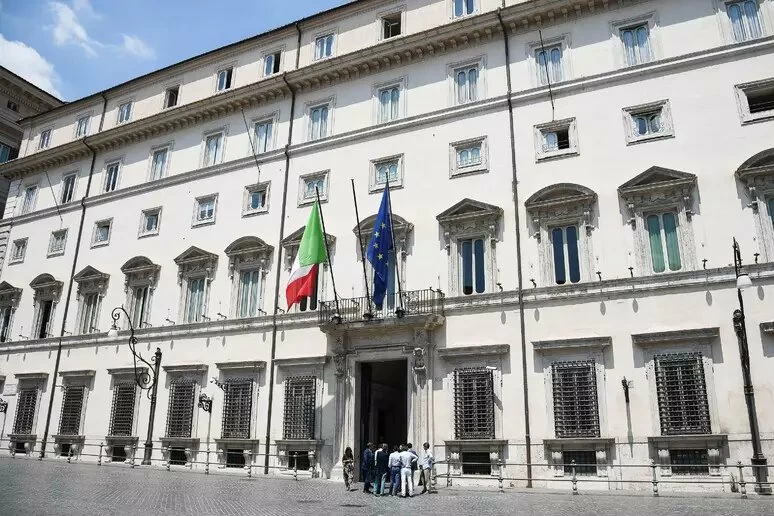
أقر مجلس الوزراء الإيطالي، مرسومًا يتضمن إجراءات جديدة لتنظيم أعداد الطلاب من غير حاملي الجنسية الإيطالية في الفصول الدراسية، إلى جانب حظر ارتداء البرقع والنقاب وتغطية الوجه بالكمامات الجراحية داخل المدارس، باستثناء الحالات المرضية.
وذكرت وكالة الأنباء الإيطالية «أنسا» أن المرسوم يحدد نسبة الطلاب غير الحاملين للجنسية الإيطالية، ممن لا يمتلكون خلفية دراسية كافية، عند 30% في كل فصل دراسي. ويفرض غرامة تتراوح بين 200 وألف يورو على مخالفي حظر تغطية الوجه، فيما يتحمل والدا الطالب القاصر قيمة الغرامة.
كما يلزم المرسوم الأسر بالالتحاق بدورة مجانية لتعلم اللغة الإيطالية إذا كان مستوى الطالب اللغوي قد يؤثر في اندماجه مع زملائه أو تحصيله الدراسي، وكانت الأسرة نفسها لا تتقن الإيطالية. ويعاقب عدم الالتزام بحضور الدورة بغرامة تتراوح بين 200 وألف يورو.
ويُطبق سقف الـ30% في المدارس الابتدائية على الطلاب غير الحاملين للجنسية الإيطالية ممن لم يولدوا في إيطاليا أو لم يلتحقوا برياض الأطفال لمدة عامين على الأقل. وفي المدارس الثانوية، يشمل الحد الطلاب الذين لم يدرسوا بنجاح لمدة ثلاث سنوات على الأقل.
ويتضمن المرسوم استثناءات للحالات التي يتعذر فيها الالتزام بالنسبة المحددة، من بينها مكان إقامة الطالب والاحتياجات الأسرية المثبتة. كما خصص صندوقًا بقيمة 17.5 مليون يورو لتعزيز تعليم اللغة الإيطالية في المدارس التي يتعذر عليها الالتزام بسقف الـ30%.
وقال وزير التعليم الإيطالي جوزيبي فالديتارا إن الإجراءات تهدف إلى وضع اللغة الإيطالية في صميم عملية الاندماج. من جانبها، قالت رئيسة الوزراء جورجيا ميلوني إن تحديد النسبة يستهدف «تجنب إنشاء فصول دراسية معزولة» تضم أعدادًا مرتفعة من الطلاب الأجانب، مؤكدة أن الإجراءات لا تهدف إلى إخراج الأطفال الأجانب من المدارس.
ويتكون المرسوم من 12 مادة، ويتضمن إلى جانب ذلك تخصيص 8 ملايين يورو إضافية على مدى عامين لصندوق مكافحة التنمر الإلكتروني، و21 مليون يورو سنويًا لتوفير الكتب المدرسية مجانًا أو جزئيًا للأسر الأقل دخلًا، فضلًا عن تخصيص 70 مليون يورو للمعلمين المكلفين بمهام الإرشاد والمتابعة.
The Italian Council of Ministers has approved a decree that includes new measures to regulate the number of students without Italian citizenship in classrooms, along with a ban on wearing the burqa and niqab and covering the face with surgical masks inside schools, except in cases of illness.
The Italian news agency "ANSA" reported that the decree sets the percentage of students without Italian citizenship, who do not have sufficient educational background, at 30% in each classroom. It imposes a fine ranging from 200 to 1,000 euros on those who violate the face-covering ban, with the parents of the minor student bearing the cost of the fine.
The decree also requires families to enroll in a free Italian language course if the student's language level may affect their integration with peers or academic performance, and if the family itself does not master Italian. Failure to attend the course will result in a fine ranging from 200 to 1,000 euros.
The 30% cap in primary schools applies to students without Italian citizenship who were not born in Italy or who have not attended kindergarten for at least two years. In secondary schools, the limit includes students who have not successfully studied for at least three years.
The decree includes exceptions for cases where it is impossible to adhere to the specified percentage, including the student's place of residence and documented family needs. It also allocated a fund of 17.5 million euros to enhance Italian language education in schools that cannot comply with the 30% cap.
Italian Education Minister Giuseppe Valditara stated that the measures aim to place the Italian language at the heart of the integration process. For her part, Prime Minister Giorgia Meloni said that setting the percentage aims to "avoid creating isolated classrooms" with a high number of foreign students, emphasizing that the measures are not intended to exclude foreign children from schools.
The decree consists of 12 articles and also includes the allocation of an additional 8 million euros over two years for a fund to combat cyberbullying, and 21 million euros annually to provide free or partially free textbooks for low-income families, in addition to allocating 70 million euros for teachers assigned to guidance and follow-up tasks.