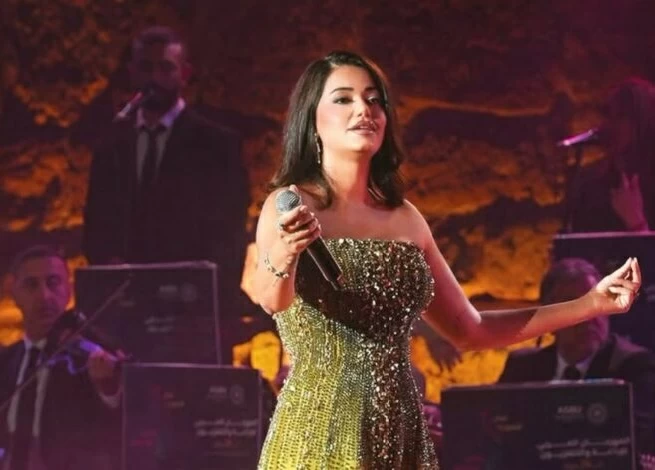
لم يكن وقوف الفنانة العراقية رحمة رياض على خشبة المسرح الأثري بقرطاج مجرد إطلالة غنائية عابرة، فالإهداء الذي قدمته للجمهور التونسي فتح باباً غير متوقع للنزاعات القانونية. وخلال حفل افتتاح المهرجان العربي للإذاعة والتلفزيون، أرادت رحمة رياض التقرب من الذائقة المحلية وأداء أغنية «يالالا عيونك سود وجلاّبات»، باعتبارها قطعة من التراث الغنائي التونسي. لكن ما جرى خلف الكواليس حوّل اللفتة التكريمية إلى إشعار قضائي رسمي.
سرعان ما تحرك الفنان والشاعر التونسي «الشاب عماد» قانونياً ضد إدارة المهرجان، معترضاً على تقديم الأغنية للجمهور دون الإشارة إلى اسمه ككاتب وملحن أصلي للعمل، وتغليفه بطابع التراث المفتوح. وأوضح الشاب عماد في تصريحات صحفية أن الأغنية ملكية خاصة يعود تاريخ صياغتها وتلحينها إلى عام 1994، وليست فلكلوراً عاماً يحق للجميع تداوله دون إذن، مؤكداً أنه قرر استثناء رحمة رياض وإدارة أعمالها من الملاحقة القضائية، لليقين بأن المقترح جاءها من منظمين محليين لم يفصحوا عن حقوق الملكية الفكرية.
ورغم الإخطار القضائي الموجه للمهرجان، يبين الفنان التونسي أنه لم يتلقَ أي توضيح رسمي حتى اللحظة، مشيراً إلى أن الواقعة تعيد للواجهة تعديات سابقة طالت نفس الأغنية على يد فنانين آخرين عبر المسرح نفسه أو من خلال تسجيلات معدلة.
ويمكن الخلوص إلى أن المشهد الذي صفق له الجمهور الغفير في قرطاج انتهى بشكاوى أمام ساحات القضاء، ليفتح ملف حماية الحقوق الأدبية والفنية في المهرجانات الكبرى.
The performance of Iraqi artist Rahma Riad on the stage of the ancient theater in Carthage was not just a fleeting musical appearance; the dedication she offered to the Tunisian audience opened an unexpected door to legal disputes. During the opening ceremony of the Arab Radio and Television Festival, Rahma Riad wanted to connect with the local taste by performing the song "Yalalal Ayonak Sowd W Jalabat," considering it a piece of Tunisian musical heritage. However, what transpired behind the scenes turned the commemorative gesture into an official legal notice.
Quickly, Tunisian artist and poet "Shab Emad" took legal action against the festival's management, objecting to the presentation of the song to the audience without crediting him as the original writer and composer, and wrapping it in the guise of open heritage. Shab Emad clarified in press statements that the song is private property, with its composition and melody dating back to 1994, and is not a public folklore that everyone has the right to circulate without permission. He emphasized that he decided to exempt Rahma Riad and her management from legal action, being certain that the proposal came from local organizers who did not disclose the intellectual property rights.
Despite the legal notice directed at the festival, the Tunisian artist indicates that he has not received any official clarification to date, pointing out that the incident brings to the forefront previous infringements that affected the same song at the hands of other artists through the same stage or through modified recordings.
It can be concluded that the scene which the large audience in Carthage applauded ended with complaints before the courts, opening the file on the protection of artistic and literary rights in major festivals.