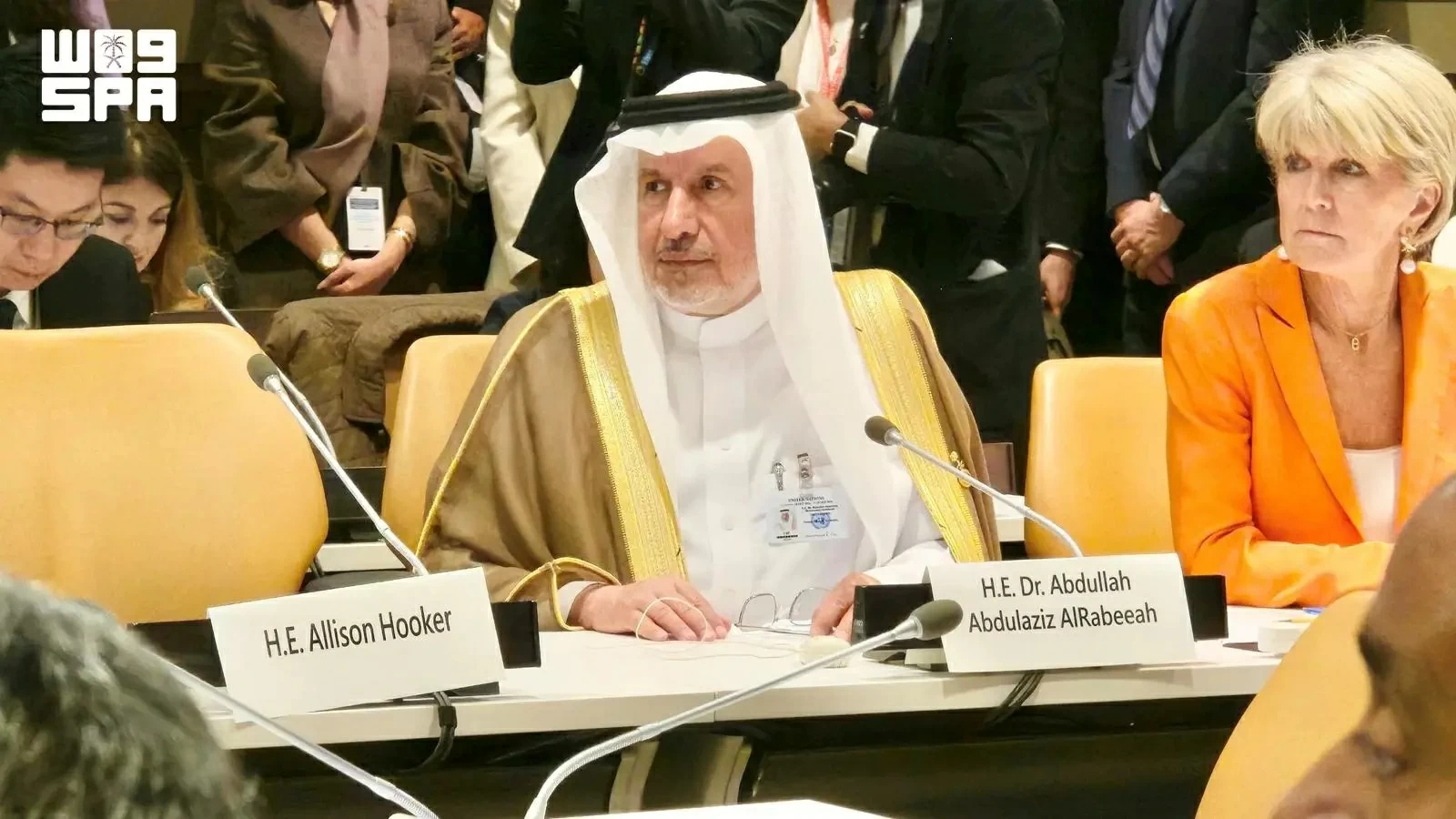
أكد المستشار بالديوان الملكي المشرف العام على مركز الملك سلمان للإغاثة والأعمال الإنسانية الدكتور عبدالله بن عبدالعزيز الربيعة أن السعودية تلتزم بمواصلة دعم اللاجئين الروهينجا والمجتمعات المضيفة لهم، وقدمت منذ عام 2017م أكثر من 177 مليون دولار أمريكي للمساهمة في تخفيف تداعيات أزمة اللاجئين الروهينجا.
تعاون وثيق مع الشركاء الدوليين
وقال الربيعة خلال مشاركته في حدث رفيع المستوى حول «الروهينجا»، بتنظيم الولايات المتحدة الأمريكية، والمملكة المتحدة، وجمهورية بنغلاديش الشعبية، ومملكة ماليزيا، وجمهورية تركيا، وجمهورية غامبيا، والاتحاد الأوروبي، وذلك على هامش أعمال الجمعية العامة للأمم المتحدة في دورتها الواحدة والثمانين المنعقدة في مدينة نيويورك: «تستمر هذه الجهود حتى اليوم من خلال مركز الملك سلمان للإغاثة والأعمال الإنسانية الذي يواصل العمل والتعاون الوثيق مع شركائه الدوليين والمحليين للاستجابة للحاجات العاجلة وتلبيتها، ويتجسد هذا الالتزام في شراكتنا مع وزارة الخارجية والتنمية البريطانية في مشروعين مهمين في بنغلاديش يدعمان الأمن الغذائي والإيواء، وفي جهودنا لتوفير خدمات المياه والإصحاح البيئي لكل من اللاجئين الروهينجا والمجتمعات المضيفة».
تكاتف المجتمع الدولي لتلبية الحاجات
وعبر الربيعة عن شكر المملكة العربية السعودية لمنظمي هذا الحدث المهم، ولجهودهم المتواصلة في إبقاء الحاجات الإنسانية للروهينجا في صدارة اهتمامات العالم؛ إذ إن وضعهم الإنساني لا يزال مقلقًا للغاية، ولا يزال أكثر من مليون لاجئ من الروهينجا يقيمون في بنغلاديش، ويعتمد الكثير منهم كليًا على المساعدات الإنسانية. وأكد أن الحاجات الإنسانية تتزايد في وقت لا تزال فيه موارد التمويل المتاحة محدودة، وتشير خطة الاستجابة المشتركة لعام 2026 إلى أن هناك حاجة إلى أكثر من 710 ملايين دولار لدعم نحو مليون و600 ألف لاجئ من الروهينجا وأفراد المجتمعات المضيفة، مبينًا أن على المجتمع الدولي أن يتكاتف لتلبية جميع الحاجات، وكفالة احترام القانون الإنساني الدولي لحماية جميع المدنيين، لا سيما النساء والأطفال الذين ما زالوا يتعرضون لمخاطر جسيمة نتيجة الانتهاكات، وكما ورد في التقرير الأخير للأمم المتحدة بشأن حقوق الإنسان فإن ما آلت إليه الأوضاع يفوق الاحتمال ويجب وضع حد لهذه الانتهاكات الجسيمة.
تهيئة الظروف للعودة للوطن
وبيّن الدكتور الربيعة أنه علينا أيضًا إدراك أن المساعدات الإنسانية وحدها لا تكفي، بل ينبغي أن نعمل على تهيئة الظروف في ميانمار التي تتيح للاجئين الروهينجا العودة إلى وطنهم بأمان وبإرادتهم وبما يضمن استدامة عودتهم. وأضاف: «إن المملكة ستواصل العمل مع جميع الشركاء للاستجابة للحاجات الإنسانية العاجلة، ودعم المجتمعات المضيفة، والمساهمة في بناء مستقبل آمن ومستدام للاجئين الروهينجا».
The advisor at the Royal Court and General Supervisor of the King Salman Humanitarian Aid and Relief Center, Dr. Abdullah bin Abdulaziz Al-Rabeeah, confirmed that Saudi Arabia is committed to continuing its support for Rohingya refugees and the host communities. Since 2017, it has provided more than 177 million US dollars to help alleviate the repercussions of the Rohingya refugee crisis.
Close cooperation with international partners
Al-Rabeeah stated during his participation in a high-level event on "Rohingya," organized by the United States, the United Kingdom, the People's Republic of Bangladesh, Malaysia, Turkey, Gambia, and the European Union, on the sidelines of the 81st session of the United Nations General Assembly held in New York: "These efforts continue today through the King Salman Humanitarian Aid and Relief Center, which continues to work and closely cooperate with its international and local partners to respond to urgent needs and meet them. This commitment is embodied in our partnership with the UK Foreign, Commonwealth & Development Office in two important projects in Bangladesh that support food security and shelter, as well as our efforts to provide water and sanitation services for both Rohingya refugees and host communities."
International community solidarity to meet needs
Al-Rabeeah expressed Saudi Arabia's gratitude to the organizers of this important event and for their ongoing efforts to keep the humanitarian needs of the Rohingya at the forefront of the world's concerns; as their humanitarian situation remains extremely alarming, with over a million Rohingya refugees still residing in Bangladesh, many of whom are entirely dependent on humanitarian aid. He emphasized that humanitarian needs are increasing at a time when available funding resources remain limited, indicating that the 2026 Joint Response Plan indicates that more than 710 million dollars are needed to support about 1.6 million Rohingya refugees and members of host communities. He pointed out that the international community must unite to meet all needs and ensure respect for international humanitarian law to protect all civilians, especially women and children who continue to face serious risks due to violations. As stated in the latest UN report on human rights, the situation has become unbearable and these serious violations must be put to an end.
Creating conditions for return to homeland
Dr. Al-Rabeeah indicated that we must also recognize that humanitarian aid alone is not enough; rather, we must work to create conditions in Myanmar that allow Rohingya refugees to return to their homeland safely, voluntarily, and in a manner that ensures the sustainability of their return. He added: "The Kingdom will continue to work with all partners to respond to urgent humanitarian needs, support host communities, and contribute to building a safe and sustainable future for Rohingya refugees."