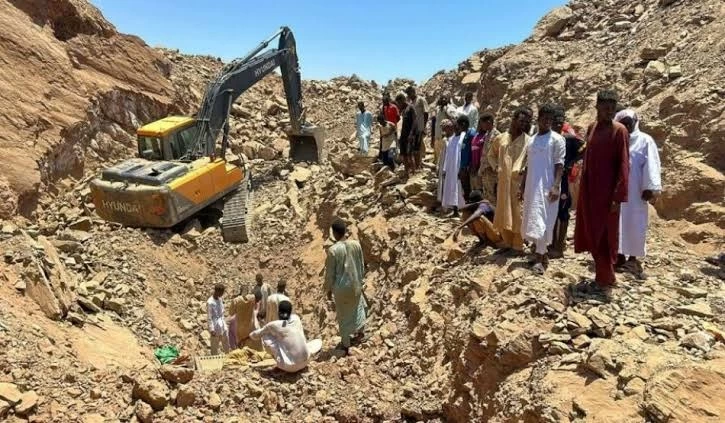
لقي ما لا يقل عن 60 من عمال التعدين الأهلي مقتلهم إثر انهيار منجم للذهب في جنوب السودان، فيما لا يزال عدد غير محدد من الأشخاص مفقودين ويُخشى أن يكونوا لقوا حتفهم تحت الأنقاض، وفق ما أفاد به ناجيان لوكالة «فرانس برس» الأربعاء.
وبدأت أنفاق منجم الزراعاء، الواقع بالقرب من مدينة النهود في ولاية غرب كردفان، في الانهيار الثلاثاء، قبل أن تتمكن فرق الإنقاذ بحلول صباح الأربعاء من انتشال 60 جثة.
وقال أحد الناجين، خير السيد جبارة، لـ«فرانس برس»، إن عمليات البحث والإنقاذ استمرت طوال الليل بمشاركة عمال المناجم أنفسهم، مستخدمين الأدوات البدائية ذاتها التي يعتمدون عليها في أعمال التنقيب.
وأضاف: «لا نعرف كم شخصًا لا يزال في الداخل»، مشيرًا إلى أن العمال يبذلون جهودًا كبيرة لانتشال الجثث أو العثور على ناجين، إلا أن المهمة تواجه صعوبات كبيرة، في ظل الحاجة إلى معدات وآليات ثقيلة لإزالة الصخور والتربة.
أنفاق متقاربة تسببت في اتساع الانهيار
وقال عامل منجم آخر، يُدعى الأمين سليمان، وكان يعمل بالقرب من حافة المنجم وقت وقوع الحادثة، إن أنفاق المنجم متقاربة للغاية، ما يعني أن انهيار أحدها قد يؤدي إلى انهيار الأنفاق المجاورة.
وأوضح سليمان أن هذا السيناريو وقع بالفعل في منجم الزراعاء، مشيرًا إلى أنه تم حتى الآن انتشال 60 جثة، بينما لا يزال أشخاص آخرون عالقين تحت الأرض منذ الثلاثاء.
وأعرب عن اعتقاده بأن فرص العثور على ناجين أصبحت محدودة، في ظل مرور ساعات طويلة على انهيار الأنفاق.
الذهب يمول طرفي الحرب في السودان
وتأتي كارثة المنجم في وقت يعتمد فيه قطاع واسع من الاقتصاد السوداني على الذهب، الذي أصبح أحد المصادر الرئيسية لتمويل طرفي الحرب الدائرة في البلاد منذ أبريل 2023 بين الجيش السوداني وقوات الدعم السريع، إلى جانب الدعم الذي يتلقاه الطرفان من جهات خارجية.
وأدت الحرب إلى تدمير أجزاء كبيرة من الاقتصاد السوداني الهش أصلًا، وتسببت في فقدان أعداد كبيرة من السكان مصادر دخلهم، ما دفع كثيرين إلى الاتجاه نحو التنقيب عن الذهب في ظروف بالغة الخطورة.
ويشكل التعدين الأهلي والتعدين على نطاق صغير الجزء الأكبر من إنتاج الذهب في السودان، ويجري جزء كبير منه في مناطق غير رسمية أو داخل مناجم خرجت من الخدمة.
At least 60 artisanal miners have been killed following the collapse of a gold mine in South Sudan, while an unspecified number of people remain missing and are feared to have died under the rubble, according to survivors who spoke to the French news agency on Wednesday.
The tunnels of the Al-Zar'aa mine, located near the town of Al-Nuhud in West Kordofan state, began to collapse on Tuesday, before rescue teams were able to recover 60 bodies by Wednesday morning.
One survivor, Khair Al-Sayed Jabara, told the French news agency that search and rescue operations continued throughout the night with the participation of the miners themselves, using the same primitive tools they rely on for excavation.
He added, "We don't know how many people are still inside," noting that the workers are making significant efforts to retrieve the bodies or find survivors, but the task faces major difficulties due to the need for heavy equipment to remove rocks and soil.
Close Tunnels Caused the Widening of the Collapse
Another miner, named Al-Amin Suleiman, who was working near the edge of the mine at the time of the incident, said that the mine's tunnels are very close together, meaning that the collapse of one could lead to the collapse of adjacent tunnels.
Suleiman explained that this scenario has indeed occurred at the Al-Zar'aa mine, noting that 60 bodies have been recovered so far, while other individuals remain trapped underground since Tuesday.
He expressed his belief that the chances of finding survivors have become limited, given the long hours that have passed since the tunnels collapsed.
Gold Funds Both Sides of the War in Sudan
The mine disaster comes at a time when a large sector of the Sudanese economy relies on gold, which has become one of the main sources of funding for both sides of the ongoing war in the country since April 2023 between the Sudanese army and the Rapid Support Forces, alongside the support both sides receive from external entities.
The war has led to the destruction of large parts of an already fragile Sudanese economy and has caused many residents to lose their sources of income, pushing many to turn to gold mining under extremely dangerous conditions.
Artisanal mining and small-scale mining constitute the largest part of gold production in Sudan, with a significant portion taking place in informal areas or within abandoned mines.