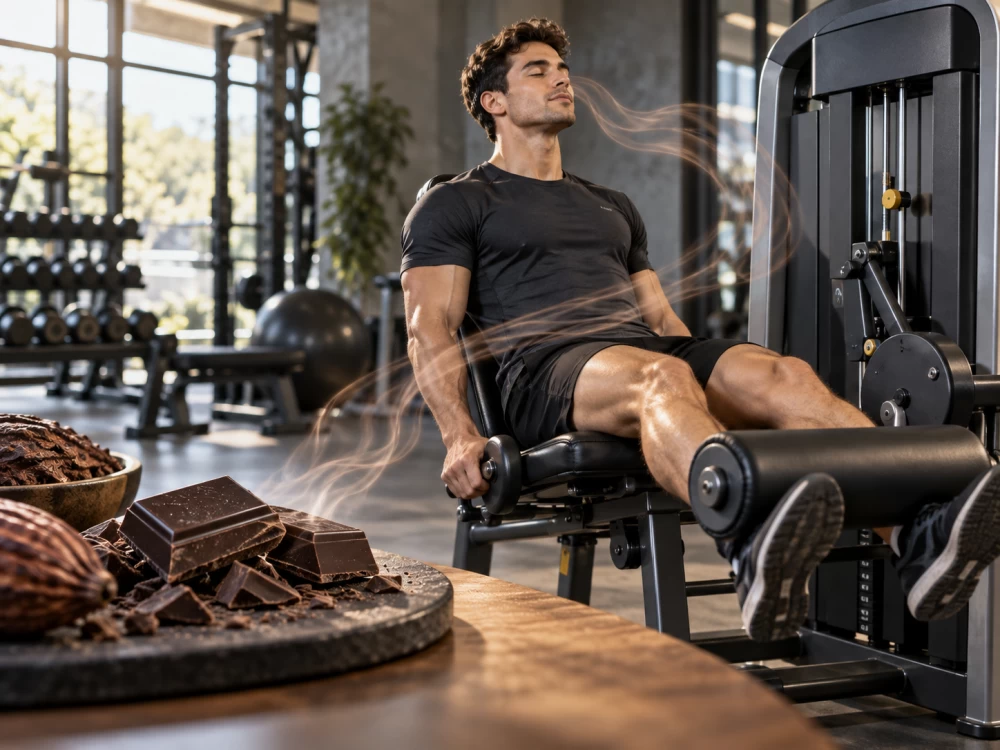
كشفت دراسة علمية حديثة أن مجرد استنشاق رائحة الشوكولاتة قبل ممارسة التمارين الرياضية قد يسهم في تحسين الأداء، إذ تمكن المشاركون في التجربة من تنفيذ عدد أكبر من التكرارات دون الشعور بزيادة مماثلة في المجهود.
وأظهرت النتائج أن رائحة الشوكولاتة الداكنة كانت الأكثر تأثيراً، إذ ارتبط استنشاقها بأداء نحو 18 تكراراً إضافياً في تمرين تمديد الساقين مقارنة بالماء، فيما ارتبطت رائحة شوكولاتة الحليب بنحو 9 تكرارات إضافية.
وشملت الدراسة 23 رجلاً من الأصحاء، تتراوح أعمارهم بين أوائل ومنتصف العشرينيات، ويتمتعون بمستوى متوسط من التدريب الرياضي.
وتعرض المشاركون خلال التجربة لثلاث عينات مختلفة، شملت شوكولاتة داكنة سائلة تحتوي على 90% من الكاكاو، وشوكولاتة بالحليب تحتوي على 60% من الكاكاو، إضافة إلى الماء بوصفه عينة ضابطة.
وامتنع المشاركون عن تناول الطعام لمدة لا تقل عن 10 ساعات قبل الاختبار، ثم أدوا تمرين تمديد الساقين باستخدام المقاومة، فيما سجل الباحثون عدد التكرارات، ومستويات الجوع والشبع والرغبة في تناول الطعام، إلى جانب مستوى المجهود الذي شعر به المشاركون أثناء التمرين.
الداكنة تقلل الشعور بالجوع
وأظهرت النتائج أن استنشاق رائحة الشوكولاتة الداكنة ارتبط بانخفاض الشعور بالجوع والرغبة في تناول الطعام، مقابل ارتفاع الإحساس بالشبع مقارنة بالماء وشوكولاتة الحليب.
كما تمكن المشاركون بعد استنشاق رائحة الشوكولاتة الداكنة من أداء عدد أكبر من التكرارات، دون تسجيل ارتفاع مماثل في شعورهم بالمجهود، ما يشير إلى أنهم استطاعوا زيادة حجم التمرين دون الشعور بإرهاق إضافي واضح.
وفي المقابل، صنف المشاركون رائحة شوكولاتة الحليب باعتبارها الأكثر إمتاعاً، رغم أن تأثيرها في الشهية والأداء كان أقل من الشوكولاتة الداكنة.
ويرى الباحثون أن هذه النتائج قد تشير إلى اختلاف الآليات التي تؤثر من خلالها روائح الطعام في سلوك الإنسان واستجاباته أثناء ممارسة النشاط البدني.
الدماغ يتوقع الطعام
ويعتقد الباحثون أن تأثير الروائح قد يرتبط بالذكريات والارتباطات التي يكوّنها الدماغ مع الأطعمة على مدى سنوات، إذ يمكن لرائحة طعام مألوف أن تحفز توقعات مرتبطة بتناوله والشعور بالمكافأة أو الشبع حتى قبل دخوله إلى الجسم.
وأشاروا إلى أن رائحة الشوكولاتة الداكنة ربما ترتبط ذهنياً بطعام غني ومشبع، وهو ما قد يفسر انخفاض الشعور بالجوع وارتفاع الإحساس بالشبع لدى المشاركين.
وتسلط النتائج الضوء على الدور المحتمل لحاسة الشم في التأثير في الشهية والأداء البدني، خصوصاً أن المشاركين كانوا صائمين خلال التجربة، ومع ذلك ظهرت تغيرات في شعورهم بالجوع وفي قدرتهم على أداء التمرين بعد التعرض لرائحة الشوكولاتة.
A recent scientific study revealed that merely inhaling the scent of chocolate before exercising may contribute to improved performance, as participants in the experiment were able to perform a greater number of repetitions without feeling a corresponding increase in effort.
The results showed that the scent of dark chocolate had the most significant impact, as inhaling it was associated with an additional 18 repetitions in leg extension exercises compared to water, while the scent of milk chocolate was linked to about 9 additional repetitions.
The study included 23 healthy men, aged in their early to mid-twenties, who had a moderate level of athletic training.
During the experiment, participants were exposed to three different samples, including liquid dark chocolate containing 90% cocoa, milk chocolate containing 60% cocoa, in addition to water as a control sample.
Participants refrained from eating for at least 10 hours before the test, then performed leg extension exercises using resistance, while researchers recorded the number of repetitions, levels of hunger and fullness, and the desire to eat, along with the level of effort felt by participants during the exercise.
Dark Chocolate Reduces Hunger
The results indicated that inhaling the scent of dark chocolate was associated with a decrease in feelings of hunger and desire to eat, compared to an increase in the sensation of fullness when compared to water and milk chocolate.
Additionally, participants were able to perform a greater number of repetitions after inhaling the scent of dark chocolate, without reporting a similar increase in their perception of effort, suggesting that they could increase the volume of exercise without feeling additional fatigue.
In contrast, participants rated the scent of milk chocolate as the most enjoyable, even though its effect on appetite and performance was less than that of dark chocolate.
Researchers believe that these results may indicate different mechanisms through which food scents influence human behavior and responses during physical activity.
The Brain Anticipates Food
Researchers believe that the effect of scents may be linked to the memories and associations that the brain forms with foods over the years, as the scent of a familiar food can stimulate expectations related to its consumption and feelings of reward or satiety even before it enters the body.
They noted that the scent of dark chocolate may mentally be associated with rich and satisfying food, which could explain the decrease in feelings of hunger and the increase in the sensation of fullness among participants.
The results highlight the potential role of the sense of smell in influencing appetite and physical performance, especially since participants were fasting during the experiment, yet changes in their feelings of hunger and their ability to perform the exercise were observed after exposure to the scent of chocolate.