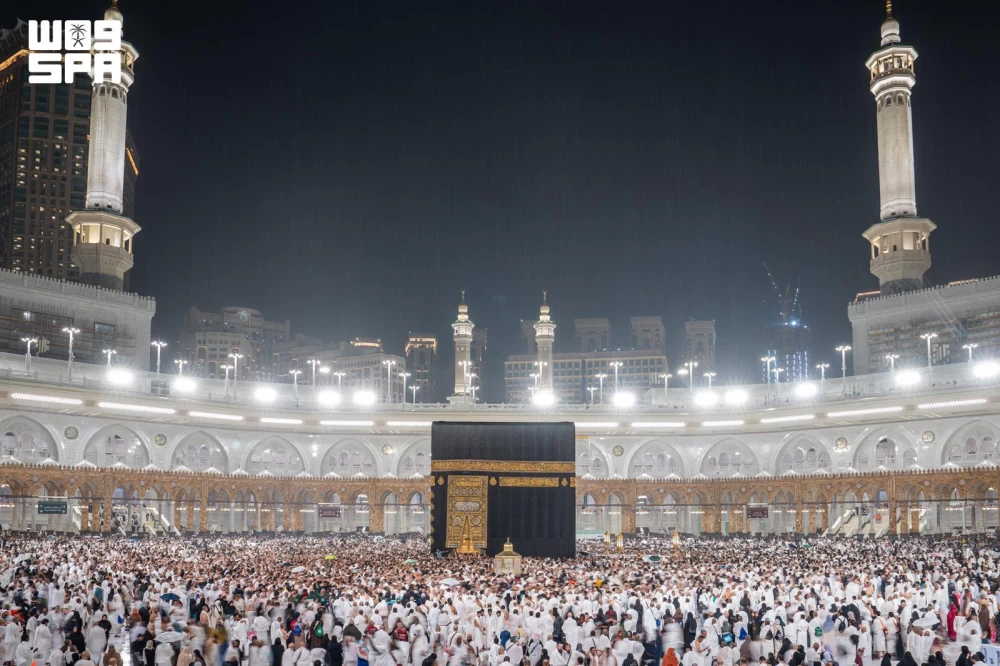
في مكة المكرمة، لم يكن صباح أمس (الثلاثاء) عادياً. ففي غرف الفنادق المطلة على المسجد الحرام، وبينما كان ضيوف الرحمن يستعدون ليوم جديد في أطهر بقاع الأرض، كانت الهواتف تستعد لقول شيء لم يألفه أصحابها في مكة.
لم يكن منبهاً. ولا رسالة من أحد. ولا تنبيهاً عن رحلة أو حجز. فجأة.. تحدثت الهواتف! مطلقة صوت إنذار أمني يخترق الغرف، ورسالة على الشاشة تطلب من الموجودين التصرف بهدوء، والاحتماء، والابتعاد عن النوافذ والأبواب، والبقاء في أماكن آمنة لأن المنطقة تتعرض لـ«تهديد معادٍ».
في غرفة تطل على المسجد الحرام، تبدلت وظيفة النافذة في لحظة. فقبل ثوانٍ كانت النافذة تمنح صاحبها أغلى مشهد يمكن أن تراه عين: الكعبة المشرفة.
والآن، يُطلب منه أن يبتعد عنها، هو المشهد الذي لا يمكن أن تصنعه نشرة أخبار. الكعبة أمام العين.. والإنذار في اليد.
معتمر جاء من أقصى الأرض وجد نفسه فجأة أمام رسالة تقول إن عليه أن يحتمي من خطر. لم يرَ الصاروخ. لكنه لم يكن بحاجة إلى أن يراه. فالهاتف رآه وقال له إن هناك خطراً. وفي مدينة اعتاد الناس أن تستيقظ هواتفهم فيها على مواقيت الصلاة، أو رسائل الأهل، أو تنبيهات السفر، جاء الصوت هذه المرة من منظومة الإنذار الوطنية. صوت واحد، لكنه حمل معه معنى مختلفاً تماماً: هناك خطر جوي.
ثم جاءت الرسالة التي كان الجميع ينتظرها. تم إعلان زوال الخطر. وعادت مكة إلى إيقاعها. لم تُصب الكعبة المشرفة. ولم يُصب المسجد الحرام. لكن شيئاً آخر حدث في صباح أمس: للمرة الأولى، دخل صوت الإنذار الجوي إلى تجربة المعتمر داخل مكة نفسها. بعدما أطلق الدفاع المدني إنذاراً للتحذير من خطر في مكة المكرمة وجدة والطائف، قبل أن يعلن لاحقاً زوال الخطر.
ليس بالصاروخ.. بل بالصوت
هنا تبدأ الحكاية. لأن السؤال لم يعد: ماذا كان في السماء؟ السؤال الأعمق: كيف وصل إرهاب الحوثي إلى هذه الغرفة؟ الإنذار نفسه كان كافياً ليفتح باباً في الذاكرة ظل الحوثي يحاول الوصول إليه منذ سنوات: مكة. فكيف يمكن لصاروخ يُطلق من بعيد أن يدخل القلق إلى خلجات معتمر يقيم في غرفة فندق مطلة على الكعبة المشرفة؟
قبل أعوام، كان الخطر الذي يأتي من اليمن يُرصد في السماء، وتلاحقه منظومات الدفاع الجوي بعيداً عن أعين الناس. أما في صباح اليوم، فقد صار له حضور آخر، اهتز الهاتف، وظهر التنبيه، وانتقلت الحرب للحظة من شاشة الرادار إلى شاشة في يد إنسان.
هنا تصبح القصة أكبر من مسار صاروخ، لأن مكة ليست مدينة عادية في الوعي المسلم، والإنذار فيها ليس مجرد تنبيه أمني عابر.
ذاكرة الصواريخ نحو مكة
الدكتور عبدالرحمن السديس كان قد وصف محاولة استهداف منطقة مكة في 2016 بأنها عدوان يمس المسلمين، وقال في أعقاب اعتراض الصاروخ إن التاريخ يشهد أن من أراد بالبيت الحرام سوءاً فإن الله قاصمه.
وفي ذلك الوقت كانت الدفاعات الجوية السعودية قد اعترضت صاروخاً باليستياً أُعلن أنه أُطلق باتجاه منطقة مكة، ودمرته على مسافة نحو 65 كيلومتراً من العاصمة المقدسة.
لهذا لم يكن غريباً أن يأتي الغضب الديني سريعاً من علماء المملكة. إلا أن الغضب من استهداف مكة المكرمة لم يكن سعودياً فقط. ففي القاهرة، خرج صوت الأزهر ليضع الواقعة في حجمها الديني والإنساني. فحينها، وصف شيخ الأزهر إطلاق الحوثيين صاروخاً باتجاه مكة بأنه «جرم أحمق»، ورأى فيه استفزازاً لمشاعر أكثر من مليار ونصف المليار مسلم، و«تصرفاً إجرامياً سافراً» و«سابقة خطيرة» تتجاوز الحدود الدينية والأخلاقية والإنسانية.
اليوم، هناك شيء في مكة يجعل للإنذار معنى لا يشبه معناه في أي مدينة أخرى. ففي جدة، قد يكون الإنذار خبراً أمنياً. وفي الطائف، قد يكون لحظة توتر. وفي جازان، حيث عرفت المنطقة سنوات من الهجمات، يحمل الصوت ذاكرة أخرى. لكن في مكة، إذ تتجه قلوب المسلمين قبل أن تتجه إليها أجسادهم، يصبح مجرد احتمال الخطر مشهداً شديد القسوة. لأن المعتمر لم يأتِ إلى هنا ليكون قريباً من الخطر. بل جاء ليبتعد عنه. ومع ذلك، وجد الحرب تطرق بابه بالطريقة الأكثر حداثة: إشعار على شاشة هاتف.
الطريق الطويل إلى مكة
في 2016، كان الصاروخ لا يزال في السماء. وجميعنا نتذكر ما حدث في الـ27 من أكتوبر في ذلك العام، حين أعلنت السعودية اعتراض صاروخ باليستي أطلقته الميليشيا الحوثية باتجاه منطقة مكة المكرمة، وتدميره دون وقوع أضرار. الصاروخ لم يصل. وهذا هو الخبر العسكري. لكن هناك خبر آخر، أكثر رسوخاً في الذاكرة: مكة كانت في اتجاهه.
وسرعان ما عاد المشهد قبل موسم الحج في يوليو 2017. حين أطلق صاروخ باليستي حوثي آخر باتجاه مكة المكرمة مجدداً. واعترضته الدفاعات الجوية. ومرة أخرى، لم يصل. لكن محاولة الوصول كانت قد أصبحت حقيقة في السجل.
ولم يكن اختيار التوقيت أقل دلالة، فقد وصفت قيادة التحالف المحاولة بأنها محاولة يائسة لإفساد موسم الحج، ثم، في ديسمبر من العام نفسه، جاءت العبارة السعودية التي تختصر ثقل تلك القصة كلها. ووصف المستشار بالديوان الملكي والمشرف العام على مركز الملك سلمان للإغاثة والأعمال الإنسانية الدكتور عبدالله الربيعة الصاروخ بأنه «الصاروخ الذي استهدف بيت الله الحرام في مكة المكرمة قبلة المسلمين كافة»، معتبراً ذلك جريمة نكراء وانتهاكاً للقانون الدولي الإنساني.
وفي مايو 2019، عاد المشهد إلى الواجهة. وتم اعتراض صاروخ باليستي أطلقه الحوثيون باتجاه مكة المكرمة من جديد، وكان ذلك ثالث استهداف يُربط بمكة المكرمة في سنوات قليلة، لتبدو المسألة أبعد من حادثة عسكرية عابرة.
صدى الاعتداء خارج السعودية
دلالة ما جرى لم تتوقف عند حدود المملكة. فمنذ المحاولة السابقة في أكتوبر 2016، خرج منتدى رابطة علماء وأئمة ببيان يستنكر استهداف مكة المكرمة بينما كانت الدفاعات الجوية السعودية تتعامل مع الصاروخ، كان علماء مسلمون يتعاملون مع معناه: فالمسافة بين اليمن ومكة لم تمنع الصاروخ من الاقتراب، والمسافة بين مكة وإسبانيا لم تمنع صدى الاعتداء من الوصول إلى العلماء والمساجد.
حين يصبح الخوف جزءاً من المشهد
وهذا تحديداً ما يجعل استهداف مكة، أو حتى محاولة إدخال الخوف إلى فضائها، مختلفاً عن استهداف أي مدينة أخرى. ففي المدن، قد يختبئ الناس من الصاروخ. لكن في مكة، يريد الحاج والمعتمر والزائر أن يشعر أنه جاء إلى مكان يترك فيه خوفه خلفه. ولذلك كان المشهد الصباحي في قبلة المسلمين قاسياً في رمزيته: رجل أو امرأة جاء إلى مكة طلباً للسكينة، يفتح الهاتف، فيجد أن عليه للحظات أن يفكر في الخطر. ثم ينظر إلى النافذة. الحرم هناك. وهنا تظهر قوة السعودية في المشهد: فالإنذار عمل، والناس تلقوا التحذير، ثم أعلنت الجهات المختصة زوال الخطر، واستمرت مكة في حياتها. والمدينة التي أراد الحوثي أن يقترب منها بالخوف بقيت شامخة في مكانها.
ومما يجعل الإنذار مختلفاً، أن التهديد قبل سنوات كان شيئاً يُرى على شاشات الرادار. لكن اليوم، صار له صوت. وصار له اهتزاز في جيب المعتمر. وصار له ضوء على شاشة هاتفه. وصار بإمكان الخطر، ولو للحظات، أن يعبر المسافة الهائلة بين جبهة في اليمن وغرفة فندقية في مكة دون أن يقطعها جسدياً.
من خريطة العمليات إلى شاشة الهاتف
لم يعد الهاتف مجرد أداة لإيصال معلومة. بل إنه المكان الذي التقت فيه الحرب بحياة الإنسان العادي. فرجل جاء للعمرة. وامرأة جاءت للصلاة. وعائلة تقيم في فندق قريب من الحرم. ونافذة تطل على الكعبة. كلهم كانوا في خطر لأن إصرار ميليشيا الحوثي على إرهابهم أطلق صاروخاً استدعى صوتاً تحذيرياً يقول لهم: ابتعدوا عن النوافذ. وفي تلك اللحظة، لا يحتاج الإرهاب إلى إصابة المبنى كي يترك أثراً. بل يكفي أن يجعل الإنسان ينظر إلى المكان الذي جاء إليه طلباً للأمان، ثم يتساءل للحظة: هل السماء آمنة؟
لكن المنظومة الأمنية السعودية لم تترك الإجابة على هذا السؤال معلقة. فالإنذار كان جزءاً من منظومة. والتحذير كان جزءاً من منظومة. والدفاعات التي تعاملت مع الخطر كانت جزءاً من منظومة. ثم جاءت الرسالة التي تعيد ترتيب المشهد كله: «إعلان زوال الخطر».
الإنذار مقابل الإرهاب
هنا تنقلب الحكاية. فالحوثي يريد أن يرسل الخطر، والسعودية تريد أن تجعل المواطن والمعتمر يعرف به قبل أن يصل. هو يريد المفاجأة. والمنظومة الوطنية تحولها إلى تحذير. هو يريد الفوضى. والرسالة تبدأ بـ«يرجى التصرف بهدوء». هو يريد أن يبقى الخطر حاضراً. والرسالة التحذيرية تعلن: انتهى.
لهذا فإن أقوى صورة في صباح مكة (الثلاثاء) لم تكن الإنذار وحده. كانت الفارق بين لحظتين: لحظة ظهر فيها التحذير على الهاتف، ولحظة اختفى فيها الخطر. وبينهما، بقيت مكة في مكانها.
من مكة إلى جازان
جازان، قبل أيام فقط، قدمت الوجه الآخر للقصة. هناك، لم يكن الحديث عن صاروخ اقترب ثم جرى اعتراضه. ففي محافظة الطوال، سقط مقذوف أطلقته المليشيا الحوثية، بحسب ما أعلن الدفاع المدني السعودي، فأصاب شخصين وألحق أضراراً بمسجد ومبانٍ ومركبات. وهنا يصبح الانتقال من مكة إلى جازان أكثر من انتقال جغرافي.
في مكة، كان الخطر عند حدود المدينة. وفي جازان، ترك المقذوف أثره على الأرض. وفي الحالتين، كان هناك شيء واحد مشترك: مدنيون في الطرف الآخر من السلاح. ومسجد. ومبانٍ سكنية. ومركبات شخصية. وأشخاص أصيبوا.
في جازان، كان المسجد نفسه داخل المشهد. وفي مكة، كان الحرم هو المعنى الذي تتجه إليه المخاوف. وهكذا تتصل الصور ببعضها دون حاجة إلى خريطة: مسجد في الطوال، إنذار في مكة، وصواريخ حوثية في الذاكرة السعودية ظل اسمها مرتبطاً بقبلة المسلمين التي لا تشبه سواها. إنها ليست حكاية سلاح فقط. إنها حكاية حرمة.
إلى أين يريد الحوثي أن تصل الحرب؟
وفجأة، لا يعود السؤال: هل يستطيع الحوثي إطلاق صاروخ؟ لأن هذا السؤال حُسم منذ زمن. والسؤال هو: إلى أين يريد أن تصل الحرب؟ إلى المدن؟ إلى البيوت؟ إلى المساجد؟ إلى الفنادق؟ إلى الهاتف الذي يحمله المعتمر؟ إلى النافذة التي تطل على الكعبة؟
وهنا تكمن المفارقة التي تجعل قصة الحوثي أكثر جنوناً. فالجماعة التي ترفع شعارات الدين، لا تتردد، في إدخال قبلة المسلمين إلى حسابات صواريخها. والمقذوف الذي خرج من الاتجاه نفسه انتهى، في جازان، إلى مسجد.
الحرب تصل إلى الهاتف
في صباح أمس، لم تصل الحرب إلى الحرم. لكنها وصلت إلى شاشة هاتف. وهذا فرق هائل في النتيجة، لكنه ليس فرقاً صغيراً في معنى المشهد. فالحرب الحديثة لا تحتاج دائماً إلى احتلال شارع حتى تدخل حياة الناس. قد تدخل برسالة. وقد تدخل بصوت. وقد تجعل الإنسان يغادر مكان تواجده بحثاً عن موقع آمن. وقد تجعل المعتمر، للحظات، يسمع كلمة «خطر» في المدينة التي جاء إليها بحثاً عن الطمأنينة.
لكن ما يهم في النهاية ليس ما حاول الحوثي أن يفعله. بل ما حدث فعلاً. الإنذار وصل. والدفاعات الجوية السعودية تعاملت. والخطر زال. ومكة بقيت مكة. وهذه هي الصورة التي تستحق أن تبقى من هذا الصباح. معتمر يضع هاتفه جانباً. ويفتح الستار بحذر. فيرى المشهد الذي جاء من أجله. الكعبة. كما هي. والحرم. كما هو. والحياة تعود إلى إيقاعها.
في الخارج، فشل الصاروخ في الوصول. وفي الداخل، فشل الإرهاب في أن يغير معنى المكان. يمكن للحوثي أن يرسل الخطر من بعيد. ويمكنه أن يهز هاتفاً بصوت إنذار. ويمكنه أن يحاول إدخال الحرب إلى نافذة فندق. لكن هناك شيئاً لا يستطيع الوصول إليه: مكة.
وذلك لأن الصاروخ، رغم اقترابه، لم يستطع أن يجعلها ساحة لإرهابه.
In Mecca, yesterday morning (Tuesday) was not ordinary. In hotel rooms overlooking the Grand Mosque, while the guests of Rahman were preparing for a new day in the holiest place on earth, the phones were preparing to say something their owners had never experienced in Mecca.
It was not an alarm. Nor a message from anyone. Nor a notification about a trip or a reservation. Suddenly... the phones spoke! Emitting a security alarm that pierced through the rooms, and a message on the screen asking those present to act calmly, take shelter, stay away from windows and doors, and remain in safe places because the area is facing a "hostile threat."
In a room overlooking the Grand Mosque, the function of the window changed in an instant. Just seconds ago, the window was granting its owner the most precious view one could see: the Holy Kaaba.
And now, he is being asked to move away from it, the view that no news bulletin could create. The Kaaba in front of the eye... and the alarm in hand.
A pilgrim who came from the farthest part of the earth suddenly found himself facing a message saying he must take shelter from danger. He did not see the missile. But he did not need to see it. The phone saw it and told him there was a danger. In a city where people were used to their phones waking them up with prayer times, family messages, or travel alerts, this time the voice came from the national alarm system. One voice, but it carried a completely different meaning: there is an aerial threat.
Then came the message everyone was waiting for. The danger was declared to be over. Mecca returned to its rhythm. The Holy Kaaba was not harmed. The Grand Mosque was not harmed. But something else happened yesterday morning: for the first time, the sound of the aerial alarm entered the experience of the pilgrim inside Mecca itself. After the civil defense issued an alert warning of danger in Mecca, Jeddah, and Taif, before later announcing the danger had passed.
Not by missile... but by sound
This is where the story begins. Because the question is no longer: what was in the sky? The deeper question is: how did the Houthi terrorism reach this room? The alarm itself was enough to open a door in the memory that the Houthi has been trying to reach for years: Mecca. How can a missile launched from afar instill anxiety in the heart of a pilgrim staying in a hotel room overlooking the Holy Kaaba?
Years ago, the danger coming from Yemen was monitored in the sky, pursued by air defense systems far from the eyes of the people. But this morning, it had another presence; the phone vibrated, the alert appeared, and the war momentarily shifted from the radar screen to a screen in the hands of a person.
Here, the story becomes bigger than the path of a missile, because Mecca is not an ordinary city in the Muslim consciousness, and the alarm there is not just a fleeting security alert.
The memory of missiles towards Mecca
Dr. Abdulrahman Al-Sudais had described the attempt to target the Mecca area in 2016 as an aggression against Muslims, and after intercepting the missile, he stated that history bears witness that whoever intends harm to the Sacred House, Allah will defeat him.
At that time, Saudi air defenses had intercepted a ballistic missile that was announced to have been launched towards the Mecca area and destroyed it about 65 kilometers from the holy capital.
Therefore, it was not surprising that religious anger quickly emerged from the scholars of the Kingdom. However, the anger over the targeting of Mecca was not only Saudi. In Cairo, the voice of Al-Azhar emerged to place the incident in its religious and humanitarian context. At that time, the Sheikh of Al-Azhar described the Houthis' launch of a missile towards Mecca as a "foolish crime," viewing it as a provocation to the feelings of more than one and a half billion Muslims, and a "blatant criminal act" and a "dangerous precedent" that transcends religious, moral, and humanitarian boundaries.
Today, there is something in Mecca that gives the alarm a meaning unlike its meaning in any other city. In Jeddah, the alert may be a security news. In Taif, it may be a moment of tension. In Jazan, where the area has known years of attacks, the sound carries another memory. But in Mecca, where the hearts of Muslims turn before their bodies do, the mere possibility of danger becomes a scene of great cruelty. Because the pilgrim did not come here to be close to danger. He came to distance himself from it. Yet, he found war knocking at his door in the most modern way: a notification on his phone screen.
The long road to Mecca
In 2016, the missile was still in the sky. We all remember what happened on October 27 of that year when Saudi Arabia announced the interception of a ballistic missile launched by the Houthi militia towards the Mecca region and its destruction without any damage occurring. The missile did not reach. And this is the military news. But there is another news, more firmly rooted in memory: Mecca was in its path.
And soon the scene returned before the Hajj season in July 2017. When another Houthi ballistic missile was launched towards Mecca again. It was intercepted by air defenses. And once again, it did not reach. But the attempt to reach had become a fact in the record.
The timing of the attempt was also significant, as the coalition leadership described it as a desperate attempt to sabotage the Hajj season. Then, in December of the same year, came the Saudi phrase that encapsulated the weight of that entire story. Dr. Abdullah Al-Rabeeah, an advisor at the royal court and the general supervisor of the King Salman Center for Relief and Humanitarian Works, described the missile as "the missile that targeted the House of Allah in Mecca, the qibla of all Muslims," considering it a heinous crime and a violation of international humanitarian law.
In May 2019, the scene returned to the forefront. A ballistic missile launched by the Houthis towards Mecca was intercepted again, marking the third targeting linked to Mecca in just a few years, making the issue more than a mere military incident.
The echo of the attack outside Saudi Arabia
The significance of what happened did not stop at the borders of the Kingdom. Since the previous attempt in October 2016, a forum of scholars and imams issued a statement condemning the targeting of Mecca while Saudi air defenses were dealing with the missile, as Muslim scholars were addressing its meaning: the distance between Yemen and Mecca did not prevent the missile from approaching, and the distance between Mecca and Spain did not prevent the echo of the attack from reaching scholars and mosques.
When fear becomes part of the scene
This is precisely what makes targeting Mecca, or even attempting to introduce fear into its space, different from targeting any other city. In cities, people may hide from the missile. But in Mecca, the pilgrim and visitor want to feel that they have come to a place where they leave their fears behind. Therefore, the morning scene at the qibla of Muslims was harsh in its symbolism: a man or a woman who came to Mecca seeking tranquility opens their phone, only to find that for a moment they must think about danger. Then they look out the window. The sanctuary is there. And here the strength of Saudi Arabia in the scene appears: the alarm worked, the people received the warning, then the relevant authorities announced the danger had passed, and Mecca continued its life. The city that the Houthis wanted to approach with fear remained steadfast in its place.
What makes the alarm different is that the threat years ago was something seen on radar screens. But today, it has a voice. It has a vibration in the pilgrim's pocket. It has a light on their phone screen. And danger, even for a moment, can cross the vast distance between a front in Yemen and a hotel room in Mecca without physically crossing it.
From the operations map to the phone screen
The phone is no longer just a tool for delivering information. It is the place where war met the life of the ordinary person. A man came for Umrah. A woman came to pray. A family staying in a hotel near the sanctuary. A window overlooking the Kaaba. All of them were in danger because the Houthi militia's insistence on terrorizing them launched a missile that summoned a warning sound telling them: stay away from the windows. In that moment, terrorism does not need to hit the building to leave an impact. It is enough to make a person look at the place they came to seeking safety, then wonder for a moment: is the sky safe?
But the Saudi security system did not leave the answer to this question hanging. The alarm was part of a system. The warning was part of a system. The defenses that dealt with the danger were part of a system. Then came the message that rearranged the entire scene: "Announcement of the danger being lifted."
The alarm against terrorism
Here the story flips. The Houthis want to send danger, and Saudi Arabia wants to make the citizen and pilgrim aware of it before it arrives. They want the surprise. The national system turns it into a warning. They want chaos. The message begins with "please act calmly." They want the danger to remain present. The warning message announces: it is over.
Therefore, the strongest image on the morning of Mecca (Tuesday) was not just the alarm. It was the difference between two moments: the moment the warning appeared on the phone, and the moment the danger disappeared. And between them, Mecca remained in its place.
From Mecca to Jazan
Jazan, just a few days ago, presented the other side of the story. There, the discussion was not about a missile that approached and was intercepted. In the Al-Tawal governorate, a projectile launched by the Houthi militia fell, according to what the Saudi civil defense announced, injuring two people and causing damage to a mosque, buildings, and vehicles. Here, the transition from Mecca to Jazan becomes more than just a geographical transition.
In Mecca, the danger was at the city's borders. In Jazan, the projectile left its mark on the ground. In both cases, there was one common thing: civilians on the other side of the weapon. A mosque. Residential buildings. Personal vehicles. And people who were injured.
In Jazan, the mosque itself was within the scene. In Mecca, the sanctuary was the meaning towards which the fears were directed. Thus, the images connect with each other without the need for a map: a mosque in Al-Tawal, an alarm in Mecca, and Houthi missiles in Saudi memory whose name remains linked to the qibla of Muslims that is unlike any other. It is not just a story of weapons. It is a story of sanctity.
Where does the Houthi want the war to reach?
And suddenly, the question is no longer: can the Houthi launch a missile? Because this question has been settled for a long time. The question is: where does he want the war to reach? To cities? To homes? To mosques? To hotels? To the phone that the pilgrim carries? To the window overlooking the Kaaba?
Here lies the paradox that makes the Houthi story more insane. The group that raises religious slogans does not hesitate to include the qibla of Muslims in its missile calculations. The projectile that came from the same direction ended, in Jazan, at a mosque.
The war reaches the phone
Yesterday morning, the war did not reach the sanctuary. But it reached a phone screen. This is a huge difference in the outcome, but it is not a small difference in the meaning of the scene. Modern warfare does not always need to occupy a street to enter people's lives. It can enter with a message. It can enter with a sound. It can make a person leave their location in search of a safe place. It can make the pilgrim, for a moment, hear the word "danger" in the city they came to seeking tranquility.
But what matters in the end is not what the Houthi tried to do. It is what actually happened. The alarm reached. The Saudi air defenses responded. The danger was lifted. And Mecca remained Mecca. This is the image that deserves to remain from this morning. A pilgrim puts their phone aside. And cautiously opens the curtain. They see the scene they came for. The Kaaba. As it is. The sanctuary. As it is. And life returns to its rhythm.
Outside, the missile failed to reach. Inside, terrorism failed to change the meaning of the place. The Houthi can send danger from afar. He can shake a phone with a warning sound. He can try to bring war to a hotel window. But there is something he cannot reach: Mecca.
Because the missile, despite its proximity, could not make it a battlefield for his terror.