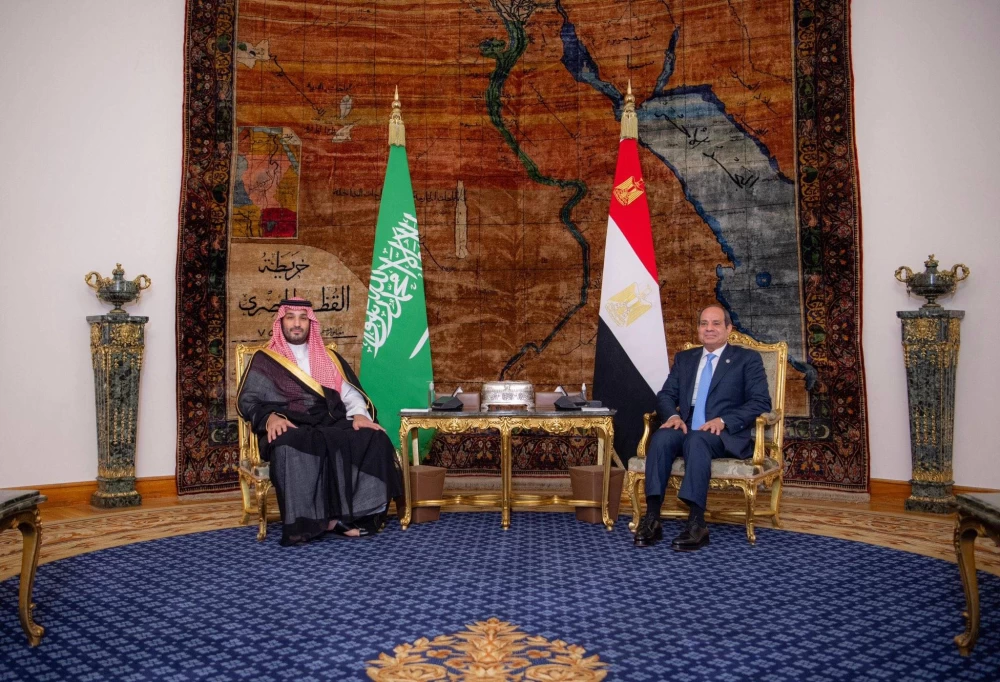
في توقيت إقليمي بالغ الحساسية، يصل ولي العهد رئيس مجلس الوزراء الأمير محمد بن سلمان إلى القاهرة غداً (الثلاثاء)، للقاء الرئيس المصري عبدالفتاح السيسي، في قمة تجمع قيادتي دولتين تتمتعان بثقل سياسي وإستراتيجي محوري في العالم العربي، وتأتي وسط تطورات متسارعة تمس أمن المنطقة واستقرارها.
وتحمل الزيارة أهمية تتجاوز مسار العلاقات السعودية المصرية، في ظل تصاعد التحديات المرتبطة بأمن الخليج والبحر الأحمر وحرية الملاحة، إلى جانب تطورات الأوضاع في اليمن والسودان والقرن الأفريقي والقضية الفلسطينية، وهي ملفات تتقاطع فيها مصالح البلدين ورؤيتهما تجاه حماية الأمن العربي ودعم الاستقرار.
وتمنح خصوصية التوقيت القمة المرتقبة بعداً إستراتيجياً إضافياً، إذ يأتي اللقاء في وقت تتزايد الحاجة إلى التنسيق العربي وتبادل الرؤى بشأن التطورات المتسارعة، فيما تمثل الرياض والقاهرة ركيزتين أساسيتين في منظومة الأمن والاستقرار الإقليمي.
وتعليقاً على القمة المرتقبة، قال رئيس مركز الخليج للأبحاث الدكتور عبدالعزيز بن صقر، إن زيارة ولي العهد إلى القاهرة ولقاء الرئيس السيسي تكتسب أهمية خاصة «لأهمية العلاقة الوثيقة والإستراتيجية بين البلدين الشقيقين وثقل الدولتين».
وأضاف بن صقر في حديثه لـ«عكاظ» أن قيادتي البلدين توليان اهتماماً مستمراً بتنمية وتطوير العلاقات الثنائية، متوقعاً أن تشهد قمة القاهرة مناقشة القضايا الإقليمية ذات الاهتمام المشترك، في ضوء التصعيد الذي تشهده المنطقة، خصوصاً في البحر الأحمر ومضيق باب المندب، إلى جانب مضيق هرمز والخليج العربي.
وأشار بن صقر إلى أنه من المنتظر أيضاً بحث تطورات الوضع في اليمن والقرن الأفريقي والسودان، في ظل اهتمام مشترك بين الرياض والقاهرة باستقرار المنطقة وإبعادها عن مزيد من التوتر والاستقطاب.
وأكد أن المأمول من القمة هو الخروج برؤية مشتركة وواضحة تجاه ما تشهده المنطقة، معتبراً أن «السعودية ومصر جناحا الأمة العربية والركيزة الأساسية لأمن واستقرار المنطقة».
وتفرض التطورات المتسارعة في البحر الأحمر وباب المندب نفسها بقوة على المشهد الإقليمي، بالنظر إلى أهمية هذا الممر الملاحي لحركة التجارة والطاقة العالمية، وارتباط أمنه بصورة مباشرة بالأمن القومي للدول المشاطئة، وبمصالح الاقتصاد العالمي.
وفي هذا السياق، قال وزير الخارجية المصري السابق السفير محمد العرابي إن توقيت الزيارة يعكس أهمية التنسيق بين البلدين في مواجهة التطورات الخطيرة التي تمس الأمن القومي العربي، مشيراً إلى أن أمن المملكة والتطورات في مضيق باب المندب ترتبط بصورة مباشرة بالأمن القومي المصري.
وأضاف العرابي خلال حديثه لـ«عكاظ» أن «مصر والسعودية تمثلان، بصورة عامة، ركيزتين أساسيتين للأمن القومي العربي»، معتبراً أن التنسيق بين القيادتين على مستوى القمة يمثل ضرورة تفرضها طبيعة المرحلة وحجم التحديات القائمة.
وشدد على أن القاهرة تتبنى موقفاً ثابتاً تجاه أمن المملكة العربية السعودية، كما تؤكد أهمية الحفاظ على حرية الملاحة في باب المندب باعتباره ممراً مائياً دولياً لا يمكن أن يخضع لتهديد أو لإرادة أي طرف أو جماعة.
وأوضح أن استمرار التهديدات التي تطال حركة الملاحة في باب المندب لا يقتصر تأثيره على أمن المنطقة، بل ينعكس بصورة مباشرة على حركة التجارة الدولية وعلى قناة السويس والاقتصاد المصري، وهو ما يجعل أمن الممرات البحرية مصلحة مشتركة تتقاطع فيها أولويات البلدين.
ولا تقف أهمية التنسيق السعودي المصري عند البحر الأحمر، إذ تفرض التطورات في اليمن والقرن الأفريقي والسودان نفسها على جدول الاهتمام المشترك، في ظل ترابط هذه الملفات مع أمن البحر الأحمر واستقرار الدول العربية والإقليم المحيط بها.
ويرى العرابي أن لقاء القيادتين سيتيح مناقشة شاملة لتطورات المنطقة، بما في ذلك الملف السوداني الذي يحظى باهتمام خاص من البلدين، مؤكداً أن الأزمات الإقليمية لم تعد منفصلة عن بعضها، بل أصبحت تداعيات أي منها تمتد إلى ملفات الأمن القومي العربي.
وتتسع دائرة التحديات لتشمل القرن الأفريقي، في ظل ما يشهده من تحولات وصراعات نفوذ، إلى جانب التطورات المرتبطة بإريتريا وجيبوتي والصومال، وما تفرضه الأوضاع في اليمن والبحر الأحمر من واقع أمني جديد.
ويشير ذلك إلى أن أمن البحر الأحمر لم يعد ملفاً منفصلاً، بل أصبح جزءاً من معادلة أوسع تربط بين أمن الخليج العربي والممرات البحرية والقرن الأفريقي واستقرار الدول العربية، وهو ما يمنح التشاور بين الرياض والقاهرة أهمية إستراتيجية إضافية.
كما تمثل العلاقات السعودية المصرية نموذجاً للشراكة الإستراتيجية التي تجمع بين الروابط التاريخية والمصالح المشتركة والرؤية المتقاربة تجاه ضرورة الحفاظ على مؤسسات الدول الوطنية ومنع اتساع دوائر الصراع.
وفي ظل هذه «العاصفة» الإقليمية، تبقى السعودية ومصر بثقلهما السياسي والإستراتيجي، وبما يجمعهما من علاقات راسخة وتنسيق مستمر، في موقع يؤهلهما للإسهام في حماية الأمن العربي ودعم استقرار المنطقة، والدفع نحو معالجة الأزمات بعيداً عن التصعيد، وبما يحقق مصالح شعوب المنطقة ويحافظ على أمنها ومستقبلها.
At a regionally sensitive timing, Crown Prince and Prime Minister Mohammed bin Salman will arrive in Cairo tomorrow (Tuesday) to meet with Egyptian President Abdel Fattah el-Sisi in a summit that brings together the leaderships of two countries that hold significant political and strategic weight in the Arab world, amidst rapid developments affecting the security and stability of the region.
The visit carries importance that goes beyond the trajectory of Saudi-Egyptian relations, in light of the escalating challenges related to the security of the Gulf and the Red Sea and freedom of navigation, alongside developments in Yemen, Sudan, the Horn of Africa, and the Palestinian issue—files where the interests of both countries intersect and their visions converge regarding the protection of Arab security and support for stability.
The specificity of the timing gives the anticipated summit an additional strategic dimension, as the meeting comes at a time when the need for Arab coordination and exchange of views regarding the rapid developments is increasing, with Riyadh and Cairo representing two essential pillars in the regional security and stability system.
Commenting on the upcoming summit, Dr. Abdulaziz bin Saqr, President of the Gulf Research Center, stated that the Crown Prince's visit to Cairo and his meeting with President Sisi holds special significance "due to the importance of the close and strategic relationship between the two brotherly countries and the weight of both states."
Bin Saqr added in his remarks to "Okaz" that the leaderships of both countries continuously pay attention to the development and enhancement of bilateral relations, expecting that the Cairo summit will witness discussions on regional issues of mutual interest, in light of the escalation being witnessed in the region, particularly in the Red Sea and the Bab el-Mandeb Strait, alongside the Strait of Hormuz and the Arabian Gulf.
He pointed out that it is also expected to discuss developments in Yemen, the Horn of Africa, and Sudan, amid a shared interest between Riyadh and Cairo in stabilizing the region and keeping it away from further tension and polarization.
He affirmed that what is hoped from the summit is to come out with a shared and clear vision regarding what the region is witnessing, considering that "Saudi Arabia and Egypt are the wings of the Arab nation and the fundamental pillar for the security and stability of the region."
The rapid developments in the Red Sea and Bab el-Mandeb strongly impose themselves on the regional scene, given the importance of this maritime passage for global trade and energy movement, and its security being directly linked to the national security of the bordering countries and the interests of the global economy.
In this context, former Egyptian Foreign Minister Ambassador Mohamed Al-Arabi stated that the timing of the visit reflects the importance of coordination between the two countries in facing the serious developments that affect Arab national security, pointing out that the security of the Kingdom and the developments in the Bab el-Mandeb Strait are directly linked to Egyptian national security.
Al-Arabi added during his talk to "Okaz" that "Egypt and Saudi Arabia generally represent two essential pillars for Arab national security," considering that coordination between the two leaderships at the summit level is a necessity imposed by the nature of the phase and the size of the existing challenges.
He emphasized that Cairo adopts a firm position regarding the security of the Kingdom of Saudi Arabia, as it affirms the importance of maintaining freedom of navigation in Bab el-Mandeb as it is an international waterway that cannot be subjected to threats or the will of any party or group.
He clarified that the continuation of threats to navigation in Bab el-Mandeb does not only affect the security of the region, but also directly impacts international trade and the Suez Canal and the Egyptian economy, which makes the security of maritime passages a mutual interest where the priorities of both countries intersect.
The importance of Saudi-Egyptian coordination does not stop at the Red Sea, as developments in Yemen, the Horn of Africa, and Sudan impose themselves on the agenda of mutual interest, given the interconnection of these files with the security of the Red Sea and the stability of the Arab countries and the surrounding region.
Al-Arabi believes that the meeting of the two leaderships will allow for a comprehensive discussion of the developments in the region, including the Sudanese file, which receives special attention from both countries, affirming that regional crises are no longer separate from one another, but the repercussions of any of them extend to the files of Arab national security.
The circle of challenges expands to include the Horn of Africa, amid what it is witnessing of transformations and power struggles, alongside developments related to Eritrea, Djibouti, and Somalia, and what the situations in Yemen and the Red Sea impose of a new security reality.
This indicates that the security of the Red Sea is no longer a separate file, but has become part of a broader equation linking the security of the Arabian Gulf, maritime passages, the Horn of Africa, and the stability of Arab countries, which gives the consultations between Riyadh and Cairo additional strategic importance.
Moreover, the Saudi-Egyptian relations represent a model of strategic partnership that combines historical ties, shared interests, and a converging vision regarding the necessity of preserving national state institutions and preventing the expansion of conflict circles.
In light of this "regional storm," Saudi Arabia and Egypt, with their political and strategic weight, and the solid relationships and continuous coordination that bind them, remain in a position that qualifies them to contribute to protecting Arab security and supporting the stability of the region, and pushing towards resolving crises away from escalation, in a way that achieves the interests of the peoples of the region and maintains their security and future.