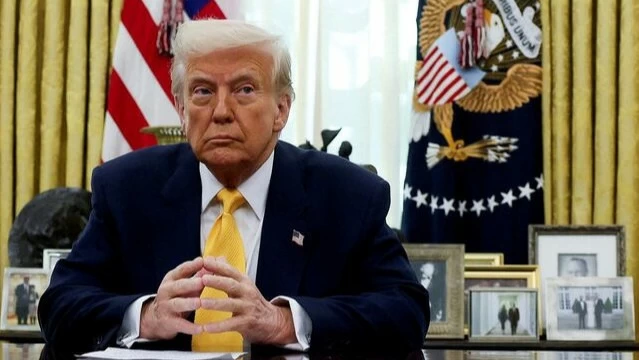
يكثف البيت الأبيض تحركاته لتأكيد تعيين مجموعة جديدة من القضاة الفيدراليين قبل نهاية العام، في وقت أصبحت فيه سيطرة الجمهوريين على مجلس الشيوخ الأمريكي موضع شك مع اقتراب انتخابات التجديد النصفي المقررة في 3 نوفمبر.
وأعلن الرئيس الأمريكي دونالد ترمب ترشيح 13 قاضيًا جديدًا خلال فترة امتدت 9 أيام في أغسطس، وذلك بينما كان مجلس الشيوخ الذي يهيمن عليه الجمهوريون في عطلة.
ومن المقرر أن يمثل 6 من هؤلاء المرشحين أمام اللجنة القضائية بمجلس الشيوخ (الأربعاء)، فيما ينتظر 5 مرشحين آخرين التصويت عليهم أمام المجلس بكامل هيئته.
ويحتاج المرشحون لشغل المناصب القضائية الفيدرالية إلى الحصول على موافقة أغلبية أعضاء مجلس الشيوخ.
الأغلبية الجمهورية مهددة
ويمتلك الجمهوريون حاليًا أغلبية 53 مقعدًا مقابل 47 للديمقراطيين في مجلس الشيوخ. وفي حال تمكن الديمقراطيون من استعادة الأغلبية خلال انتخابات نوفمبر، فقد تتقلص قدرة إدارة ترمب على تمرير ترشيحات قضائية جديدة بعد تولي أعضاء المجلس الجدد مهامهم العام القادم.
وبحسب وكالة رويترز، قال روبرت لوثر، أستاذ القانون في جامعة جورج ماسون، والذي عمل على ملفات الترشيحات القضائية في مكتب مستشار البيت الأبيض خلال الولاية الأولى لترمب، إن احتمال خسارة السيطرة على مجلس الشيوخ يمثل مصدر قلق دائمًا بالنسبة لأي إدارة.
ومع ذلك، يرى لوثر وخبراء آخرون أن هذه الدفعة من الترشيحات قد تكون من آخر الفرص الكبيرة أمام ترمب للتأثير في تركيبة القضاء الفيدرالي، في ظل تراجع عدد المناصب الشاغرة وتقلص عدد القضاة المتوقع تقاعدهم.
وأضاف لوثر أنه باستثناء احتمال شغور مقعد في المحكمة العليا، فإنه يتوقع أن تكون الفترة القادمة هي الأبطأ في وتيرة الترشيحات القضائية خلال رئاسة ترمب.
سابقة في عهد بايدن
ولا يمثل تسريع عملية تأكيد القضاة قبل انتخابات التجديد النصفي سابقة خاصة بإدارة ترمب، إذ واجه الرئيس الديمقراطي السابق جو بايدن والديمقراطيون في مجلس الشيوخ ضغوطًا مماثلة قبل انتخابات التجديد النصفي لعام 2022.
وفي ذلك العام، فشل الجمهوريون في انتزاع السيطرة على مجلس الشيوخ، ما سمح لإدارة بايدن باستكمال تعيين 235 قاضيًا، أي أكثر بقاضي واحد من العدد الذي تمكن ترمب من تعيينه خلال ولايته الأولى.
مرشحون يحظون بدعم المحافظين
وأتاحت عودة ترمب إلى البيت الأبيض العام الماضي للرئيس الجمهوري مواصلة إعادة تشكيل القضاء الفيدرالي، حيث حصل حتى الآن على تأكيد تعيين 54 قاضيًا إضافيًا.
وباحتساب تعييناته خلال ولايتيه، أصبح عدد القضاة الذين اختارهم ترمب يقارب ثلث أعضاء القضاء الفيدرالي الأمريكي.
وساهمت هذه التعيينات في تغيير التوجه العام للقضاء نحو اليمين، ولا سيما من خلال تعييناته الثلاثة في المحكمة العليا، التي تتمتع حاليًا بأغلبية محافظة تبلغ 6 مقابل 3.
وخلال السنوات الأخيرة، أصدرت المحكمة العليا أحكامًا حدّت من الوصول إلى الإجهاض وبرامج العمل الإيجابي، ووسعت نطاق حقوق حيازة الأسلحة، كما أيدت جهودًا لإعادة رسم الدوائر الانتخابية قادها الجمهوريون في الكونغرس، وفقًا لما أوردته «رويترز».
لكن القضاة الذين عينهم ترمب لم يصوتوا دائمًا لصالح مواقف الرئيس، وهو ما ظهر مجددًا (الثلاثاء)، عندما انتقد ترمب قضاة المحكمة العليا الذين عارضوا قاعدة لخدمة البريد الأمريكية تقيد استخدام بطاقات الاقتراع عبر البريد.
مرشحون ارتبطت أسماؤهم بملفات محافظة
ومن بين المرشحين الذين سيمثلون أمام اللجنة القضائية (الأربعاء) زاك ويست، الذي حظي بإشادة من ناشطين قانونيين محافظين بسبب عمله في مكتب المدعي العام لولاية أوكلاهوما.
وخلال عمله هناك، دافع ويست عن القيود المفروضة على الإجهاض، كما جادل بأن ولاية أوكلاهوما لا يجوز لها منع المدارس الدينية من المشاركة في برنامج المدارس المستقلة بنظام الميثاق.
ومن بين المرشحين الآخرين الذين تنظر اللجنة في ترشيحهم هذا الشهر قاضي المحكمة الجزئية الأمريكية في أركنساس لي رودوفسكي، الذي يسعى البيت الأبيض إلى ترقيته إلى محكمة الاستئناف الأمريكية للدائرة الثامنة ومقرها سانت لويس.
وكان رودوفسكي قد أصدر قبل أربع سنوات حكمًا قضائيًا أدى إلى إضعاف أحد القوانين الرئيسية المتعلقة بحقوق التصويت، بحسب التقرير.
وفي حال تأكيد تعيينه، سيصبح القضاة الذين اختارهم ترمب أصحاب أغلبية في تلك المحكمة، لتكون بذلك أولى محاكم الاستئناف الفيدرالية الـ13 التي يهيمن عليها قضاة عينهم الرئيس.
ترمب وحلفاؤه في مواجهة القضاء
ومنذ عودته إلى البيت الأبيض في يناير 2025، كثف ترمب وحلفاؤه انتقاداتهم للقضاة الذين أصدروا أحكامًا أوقفت أو عطلت سياسات للإدارة، وسط مئات الدعاوى القضائية التي تتحدى قرارات وإجراءات اتخذتها الإدارة.
وفي الوقت نفسه، أعادت إدارة ترمب إحياء أحد الأهداف الرئيسية لولايته الأولى، والمتمثل في تعيين محامين محافظين وشخصيات مرتبطة بالرئيس في المحاكم الفيدرالية الابتدائية ومحاكم الاستئناف في أنحاء البلاد.
ويتميز عدد من القضاة الذين عينهم ترمب بصغر سنهم نسبيًا، إذ ينتمي كثير منهم إلى أواخر الثلاثينيات أو أوائل الأربعينيات، ما يعني أن بعضهم قد يبقى على منصة القضاء لعقود، بما قد يؤثر في قضايا قانونية وسياسات عامة حتى بعد انتهاء ولاية ترمب.
الديمقراطيون يتحدثون عن «الولاء»
وخلال ولاية ترمب الأولى، أصدر قضاة عيّنهم الرئيس، ولا سيما في ولايتي تكساس وداكوتا الشمالية، أحكامًا عطلت مرارًا محاولات إدارة بايدن لتغيير سياسة الهجرة، وإلغاء ديون قروض الطلاب، وتوسيع نطاق الحماية القانونية لأفراد مجتمع الميم.
ويرى أعضاء ديمقراطيون في مجلس الشيوخ أن ترشيحات ترمب خلال ولايته الثانية تعكس اهتمامًا أكبر بالولاء للرئيس. ويستشهد الديمقراطيون بإجابات بعض المرشحين خلال جلسات الاستماع أمام اللجنة القضائية، حيث تجنبوا بشكل مباشر القول إن ترمب خسر انتخابات 2020، واستخدموا بدلًا من ذلك عبارات تفيد بأن جو بايدن أُعلن فوزه رسميًا.
في المقابل، قال البيت الأبيض إن اختيار المرشحين يستند إلى مؤهلاتهم المهنية والقانونية.
وقالت المتحدثة باسم البيت الأبيض لورين بيس، إن ترمب يختار مرشحين يتمتعون بمؤهلات وخبرات قوية، بعد إخضاعهم لعملية تدقيق دقيقة من جانب البيت الأبيض، مضيفة أن الرئيس سيواصل اختيار مرشحين مؤهلين للمناصب الشاغرة مع الالتزام بالدستور وسيادة القانون.
محامو ترمب ضمن قائمة المرشحين
ومن بين 13 مرشحًا سابقًا لمحاكم الاستئناف خلال الولاية الثانية لترمب، كان ثلاثة قد عملوا في السابق كمحامين شخصيين للرئيس، من بينهم إميل بوف، الذي أصبح الآن قاضيًا في محكمة الاستئناف الأمريكية للدائرة الثالثة ومقرها فيلادلفيا.
كما حصل المرشحان الآخران على تأكيد مجلس الشيوخ لتعيينهما.
ومع ذلك، فإن العديد من اختيارات ترمب خلال ولايته الثانية تحمل خلفيات مهنية مشابهة لتلك التي ميزت قضاة عيّنهم خلال ولايته الأولى.
The White House is intensifying its efforts to confirm a new group of federal judges before the end of the year, at a time when Republican control of the U.S. Senate is in doubt with the midterm elections approaching on November 3.
U.S. President Donald Trump announced the nomination of 13 new judges over a period of 9 days in August, while the Republican-controlled Senate was on recess.
Six of these nominees are scheduled to appear before the Senate Judiciary Committee (Wednesday), while five other nominees await a vote before the full Senate.
Nominees for federal judicial positions need to secure the approval of a majority of Senate members.
Republican Majority at Risk
Currently, Republicans hold a majority of 53 seats compared to 47 for Democrats in the Senate. If Democrats manage to regain the majority in the November elections, Trump's administration may find it more difficult to push through new judicial nominations once the new members take office next year.
According to Reuters, Robert Luther, a law professor at George Mason University who worked on judicial nomination files in the White House Counsel's Office during Trump's first term, stated that the possibility of losing control of the Senate is a constant concern for any administration.
However, Luther and other experts believe that this round of nominations may be one of Trump's last big opportunities to influence the composition of the federal judiciary, given the declining number of vacant positions and the reduced number of judges expected to retire.
Luther added that, except for the possibility of a vacancy on the Supreme Court, he expects the upcoming period to be the slowest for judicial nominations during Trump's presidency.
A Precedent in Biden's Era
Accelerating the confirmation process for judges before the midterm elections is not a unique precedent for the Trump administration, as former Democratic President Joe Biden and Senate Democrats faced similar pressures before the 2022 midterm elections.
That year, Republicans failed to seize control of the Senate, allowing the Biden administration to complete the appointment of 235 judges, one more than the number Trump was able to appoint during his first term.
Nominees Supported by Conservatives
Trump's return to the White House last year allowed the Republican president to continue reshaping the federal judiciary, as he has so far secured the confirmation of 54 additional judges.
Counting his appointments during both terms, the number of judges chosen by Trump is approaching one-third of the members of the U.S. federal judiciary.
These appointments have contributed to a general shift of the judiciary to the right, particularly through his three appointments to the Supreme Court, which currently has a conservative majority of 6 to 3.
In recent years, the Supreme Court has issued rulings that limited access to abortion and affirmative action programs, expanded gun ownership rights, and supported efforts to redraw electoral districts led by Republicans in Congress, according to Reuters.
However, the judges appointed by Trump have not always voted in favor of the president's positions, as was evident again (Tuesday), when Trump criticized Supreme Court justices who opposed a U.S. Postal Service rule restricting the use of mail-in ballots.
Nominees Linked to Conservative Files
Among the nominees who will appear before the Judiciary Committee (Wednesday) is Zach West, who has received praise from conservative legal activists for his work in the Oklahoma Attorney General's Office.
During his time there, West defended restrictions on abortion and argued that Oklahoma should not prevent religious schools from participating in the charter school program.
Among other nominees the committee is considering this month is U.S. District Judge in Arkansas Lee Rudofsky, whom the White House is seeking to promote to the U.S. Court of Appeals for the Eighth Circuit based in St. Louis.
Rudofsky had issued a ruling four years ago that weakened one of the key laws related to voting rights, according to the report.
If confirmed, the judges chosen by Trump would hold a majority on that court, making it the first of the 13 federal appellate courts to be dominated by judges appointed by the president.
Trump and Allies Facing the Judiciary
Since returning to the White House in January 2025, Trump and his allies have intensified their criticisms of judges who have issued rulings that halted or disrupted administration policies, amid hundreds of lawsuits challenging decisions and actions taken by the administration.
At the same time, the Trump administration has revived one of the main goals of its first term, which is to appoint conservative lawyers and figures linked to the president to federal trial courts and appellate courts across the country.
Many of the judges appointed by Trump are relatively young, with many in their late thirties or early forties, meaning some may remain on the bench for decades, potentially influencing legal cases and public policies even after Trump's term ends.
Democrats Talk About "Loyalty"
During Trump's first term, judges appointed by the president, particularly in Texas and North Dakota, issued rulings that repeatedly disrupted the Biden administration's attempts to change immigration policy, cancel student loan debts, and expand legal protections for LGBTQ individuals.
Democratic members of the Senate believe that Trump's nominations during his second term reflect a greater interest in loyalty to the president. Democrats cite the responses of some nominees during hearings before the Judiciary Committee, where they directly avoided stating that Trump lost the 2020 election, instead using phrases indicating that Joe Biden was officially declared the winner.
In contrast, the White House stated that the selection of nominees is based on their professional and legal qualifications.
White House Press Secretary Lauren Pease said that Trump chooses nominees with strong qualifications and experiences, after subjecting them to a thorough vetting process by the White House, adding that the president will continue to select qualified nominees for vacant positions while adhering to the Constitution and the rule of law.
Trump's Lawyers Among the Nominees
Among the 13 nominees for appellate courts during Trump's second term, three had previously worked as the president's personal lawyers, including Emile Bouff, who is now a judge on the U.S. Court of Appeals for the Third Circuit based in Philadelphia.
The other two nominees also received Senate confirmation for their appointments.
However, many of Trump's choices during his second term have similar professional backgrounds to those that characterized judges he appointed during his first term.