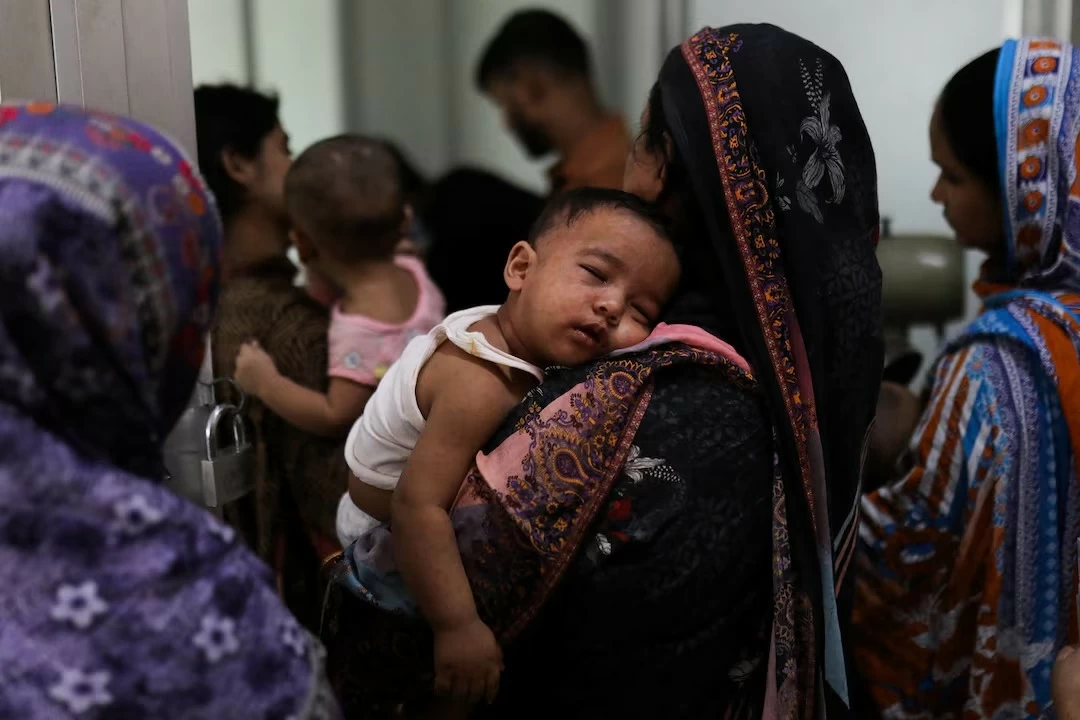
تواجه بنغلاديش أسوأ تفشٍ لمرض الحصبة في تاريخها، بعدما ارتبطت الموجة الحالية منذ مارس الماضي بـ999 وفاة مشتبه بها ومؤكدة، في وقت تكافح فيه المستشفيات للتعامل مع التدفق المستمر للأطفال المرضى وسط ازدحام شديد ونقص في الأسرّة والإمدادات الطبية.
ويأتي التفشي رغم إطلاق حملة طوارئ وطنية للتطعيم في أبريل، في أعقاب اضطرابات أصابت برامج التحصين الروتينية خلال عامي 2024 و2025، بالتزامن مع فترة من الاضطرابات السياسية التي شهدتها البلاد بعد الانتفاضة الدامية التي أطاحت بحكومة رئيسة الوزراء السابقة الشيخة حسينة.
وبحسب قائمة منشورة على موقع مراكز السيطرة على الأمراض والوقاية منها الأمريكية (CDC)، تشهد بنغلاديش حالياً أكبر تفشٍ للحصبة في العالم.
166 ألف حالة مشتبه بها منذ مارس
وأظهرت بيانات وزارة الصحة البنغلاديشية تسجيل أكثر من 166 ألف حالة مشتبه بها بالحصبة منذ بداية التفشي في مارس، من بينها 19,835 حالة مؤكدة مخبرياً.
وارتبطت الموجة بـ999 وفاة، بينها 100 وفاة مؤكدة بسبب الحصبة، في حين تجاوز عدد المرضى المشتبه بإصابتهم الذين دخلوا المستشفيات 146 ألف شخص.
ويقول مسؤولون وخبراء إن انخفاض معدلات التطعيم ومشكلات توفير اللقاحات خلال فترة الاضطرابات السياسية تركت أعداداً كبيرة من الأطفال عرضة للعدوى.
وتبرز الخطورة بصورة خاصة لدى الرضع دون تسعة أشهر، الذين يكونون أصغر من السن المعتادة للحصول على التطعيمات الروتينية، ما ساعد على استمرار انتقال الفايروس بين مختلف الفئات العمرية.
فجوة في المناعة بعد سنوات من التقدم
ويرجع خبراء الأزمة إلى مجموعة من العوامل، بينها ضعف الإشراف على برامج التطعيم، وقصور المراقبة، والتغييرات التي طرأت على سياسات شراء اللقاحات خلال الفترة الانتقالية التي أعقبت حكومة الشيخة حسينة.
وقال وزير الصحة سردار محمد سَخاوات حسين، أمام البرلمان، (الإثنين)، إن التغييرات في نظام شراء اللقاحات أدت إلى حدوث نقص في الإمدادات.
كما أدى تأجيل برنامج للتطعيم في 2024 وإلغاء حملة وطنية للتطعيم ضد الحصبة والحصبة الألمانية في العام التالي إلى ترك مزيد من الأطفال دون حماية كافية.
وأشارت منظمة الصحة العالمية ومنظمة الأمم المتحدة للطفولة «يونيسف» وهيئات صحية أخرى إلى اضطراب جداول التحصين باعتباره عاملاً رئيسياً في تفاقم الوضع.
وفي المراحل الأولى من انتشار المرض، شكّل الأطفال دون الخامسة نحو 80% من الحالات.
انتكاسة لمسار القضاء على المرض
وتكتسب الأزمة أهمية خاصة لأن بنغلاديش كانت قد قطعت أشواطاً كبيرة نحو القضاء على الحصبة، فخلال معظم العقد الماضي، حافظت البلاد على معدلات مرتفعة لتغطية التطعيم، بلغت أو تجاوزت في معظم السنوات مستوى 95% الذي توصي به منظمة الصحة العالمية، باستثناء فترة التراجع التي رافقت جائحة كوفيد-19.
وقال عالم الأوبئة محمود الرحمن، المدير السابق لمعهد علم الأوبئة ومكافحة الأمراض والأبحاث، إن بنغلاديش أخفقت في تحقيق هدف القضاء على الحصبة بسبب فجوات التطعيم خلال عامي 2024 و2025.
وأضاف أن البلاد لم تشهد، بحسب علمه، هذا العدد من الأطفال الذين يموتون بسبب الحصبة، ولا هذا العدد الكبير من المرضى خلال عام واحد، واصفاً الوضع بأنه بالغ الخطورة، خصوصاً أن غالبية الضحايا من الأطفال.
ودعا الرحمن إلى سد فجوات المناعة، ورفع معدلات التطعيم، وتعزيز التوعية العامة باعتبارها أولويات عاجلة لاحتواء التفشي.
المستشفيات تواجه أزمة مزدوجة
ولا تواجه المستشفيات البنغلاديشية موجة الحصبة وحدها، إذ تتزامن الأزمة مع زيادة أعداد المصابين بحمى الضنك، ما يضيف ضغطاً جديداً على نظام صحي يعاني بالفعل من نقص الموارد.
وبحسب بيانات وزارة الصحة، تجاوز عدد الأشخاص الذين دخلوا المستشفيات بسبب الضنك 45 ألف شخص منذ بداية العام.
ويوم (الثلاثاء)، ارتفع عدد وفيات الضنك إلى تسع حالات، فيما بلغ عدد حالات دخول المستشفيات 1,571 حالة في يوم واحد، وهما أعلى مستويين يوميين خلال العام الحالي.
حملة طوارئ لتطعيم ملايين الأطفال
وأطلقت السلطات في أبريل حملة طوارئ للتطعيم ضد الحصبة والحصبة الألمانية، استهدفت نحو 18 مليون طفل تتراوح أعمارهم بين ستة أشهر وأقل من خمس سنوات.
وبحسب وزارة الصحة، تجاوز عدد الأطفال الذين تلقوا اللقاح منذ إطلاق الحملة 19.7 مليون طفل، لكن خبراء أكدوا أن حملات الطوارئ لا تكفي وحدها، وأن البلاد بحاجة إلى تعزيز التطعيم الروتيني وتنفيذ حملات تعويضية للوصول إلى الأطفال الذين فاتهم التطعيم خلال السنوات الماضية.
الحصبة والضنك يختبران النظام الصحي
وتكشف الأزمة المزدوجة حجم التحديات التي تواجه النظام الصحي البنغلاديشي، الذي يتعين عليه الحفاظ على الخدمات الصحية الروتينية في الوقت نفسه الذي يكافح فيه تفشيات لأمراض يمكن الوقاية منها.
وتُعد الحصبة من أكثر الأمراض المعدية في العالم، وتسبب عادةً الحمى وطفحاً جلدياً مميزاً، إلا أن الحصول على جرعتين من اللقاح يوفر وسيلة فعالة للوقاية منها.
أما حمى الضنك، وهي مرض ينقله البعوض، فتفرض عبئاً إضافياً على المستشفيات، وسط عوامل تساعد على انتشارها، من بينها ارتفاع درجات الحرارة والتوسع الحضري.
Bangladesh is facing the worst outbreak of measles in its history, with the current wave since last March linked to 999 suspected and confirmed deaths, as hospitals struggle to cope with the ongoing influx of sick children amid severe overcrowding and shortages of beds and medical supplies.
The outbreak comes despite the launch of a national emergency vaccination campaign in April, following disruptions to routine immunization programs during 2024 and 2025, coinciding with a period of political turmoil in the country after the bloody uprising that ousted former Prime Minister Sheikh Hasina's government.
According to a list published on the website of the U.S. Centers for Disease Control and Prevention (CDC), Bangladesh is currently experiencing the largest measles outbreak in the world.
166,000 suspected cases since March
Data from the Bangladesh Ministry of Health shows that over 166,000 suspected measles cases have been recorded since the outbreak began in March, including 19,835 laboratory-confirmed cases.
The wave is associated with 999 deaths, including 100 confirmed deaths due to measles, while the number of suspected patients admitted to hospitals has exceeded 146,000.
Officials and experts say that declining vaccination rates and issues with vaccine supply during the political turmoil have left large numbers of children vulnerable to infection.
The danger is particularly pronounced among infants under nine months old, who are younger than the usual age for routine vaccinations, which has contributed to the continued transmission of the virus among different age groups.
Immunity gap after years of progress
Experts attribute the crisis to a combination of factors, including weak oversight of vaccination programs, inadequate monitoring, and changes to vaccine procurement policies during the transitional period following Sheikh Hasina's government.
Health Minister Sardar Mohammad Sakhawat Hossain stated before Parliament on Monday that changes in the vaccine procurement system have led to supply shortages.
The postponement of a vaccination program in 2024 and the cancellation of a national vaccination campaign against measles and rubella the following year have left more children without adequate protection.
The World Health Organization and UNICEF, along with other health agencies, have pointed to disruptions in immunization schedules as a key factor exacerbating the situation.
In the early stages of the disease's spread, children under five accounted for about 80% of the cases.
Setback in the fight to eliminate the disease
The crisis is particularly significant because Bangladesh had made substantial progress toward eliminating measles. Throughout most of the past decade, the country maintained high vaccination coverage rates, reaching or exceeding the 95% level recommended by the World Health Organization in most years, except for the decline that accompanied the COVID-19 pandemic.
Epidemiologist Mahmood Rahman, former director of the Institute of Epidemiology, Disease Control and Research, stated that Bangladesh has failed to achieve the goal of measles elimination due to vaccination gaps during 2024 and 2025.
He added that the country has not seen, to his knowledge, this number of children dying from measles, nor this large number of patients within a single year, describing the situation as extremely serious, especially since the majority of the victims are children.
Rahman called for closing immunity gaps, increasing vaccination rates, and enhancing public awareness as urgent priorities to contain the outbreak.
Hospitals facing a dual crisis
Bangladeshi hospitals are not facing the measles wave alone, as the crisis coincides with an increase in dengue fever cases, adding new pressure to a healthcare system already struggling with resource shortages.
According to Ministry of Health data, the number of people hospitalized due to dengue has exceeded 45,000 since the beginning of the year.
On Tuesday, the number of dengue-related deaths rose to nine, while the number of hospital admissions reached 1,571 in a single day, marking the highest daily levels this year.
Emergency campaign to vaccinate millions of children
Authorities launched an emergency vaccination campaign against measles and rubella in April, targeting around 18 million children aged six months to under five years.
According to the Ministry of Health, over 19.7 million children have received the vaccine since the campaign's launch, but experts have confirmed that emergency campaigns alone are not sufficient, and the country needs to strengthen routine vaccination and implement catch-up campaigns to reach children who missed vaccinations in previous years.
Measles and dengue testing the healthcare system
The dual crisis reveals the extent of the challenges facing the Bangladeshi healthcare system, which must maintain routine health services while simultaneously battling outbreaks of preventable diseases.
Measles is one of the most contagious diseases in the world, typically causing fever and a distinctive rash, but receiving two doses of the vaccine provides an effective means of prevention.
Dengue fever, a mosquito-borne disease, imposes an additional burden on hospitals, amid factors that facilitate its spread, including rising temperatures and urban expansion.