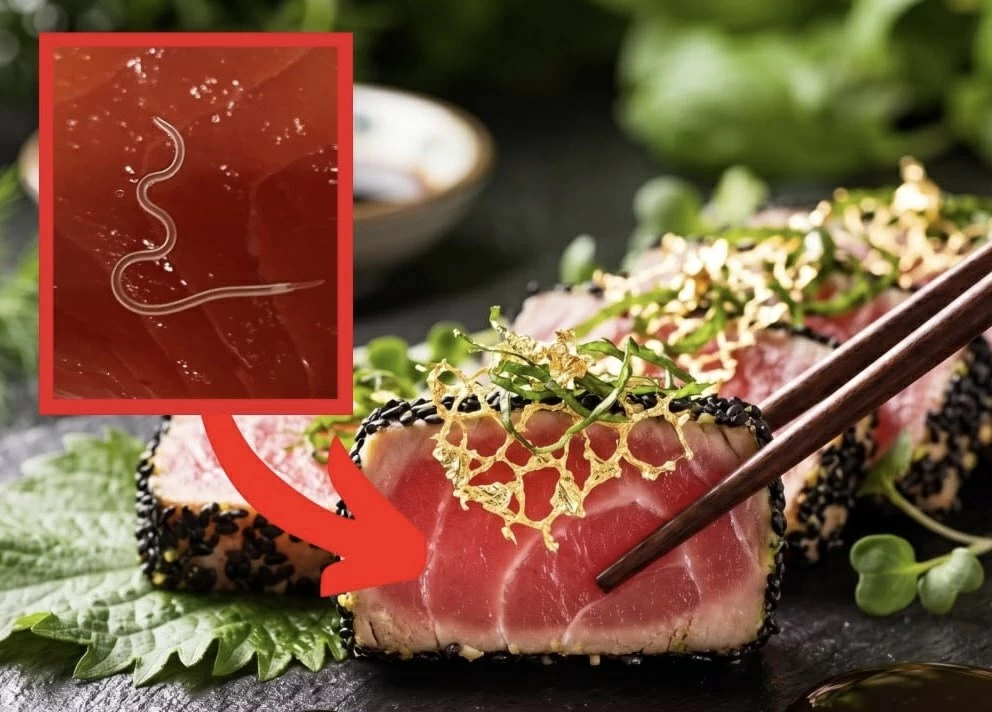
كشف فريق بحثي برازيلي نتائج مثيرة للقلق بعد تحليل 53 سمكة من نوع التونة الوثابة، أحد أكثر الأنواع استهلاكًا حول العالم، حيث أظهرت الفحوص المجهرية أن نسبة كبيرة من هذه الأسماك تحتوي على أعداد هائلة من الديدان واليرقات.
وبحسب الدراسة المنشورة عبر موقع (ساينس أليرت)، فإن نحو 96% من العينات التي خضعت للتحليل كانت تحتوي على ما يقارب 1600 دودة في السمكة الواحدة، تتركز معظمها في الأمعاء، ثم في النسيج العضلي والمعدة. وتكتسب النتائج أهمية إضافية كون هذا النوع من التونة يُصدَّر عالميًا بكميات ضخمة، إذ تجاوز إنتاج البرازيل منه ثلاثة ملايين طن عام 2022.
ورغم أن وجود اليرقات في الأسماك ليس أمرًا جديدًا، فإن حجم انتشارها في هذا النوع تحديدًا يثير مخاوف تتعلق بسلامة الاستهلاك، خصوصًا عند تناول التونة النيئة في أطباق السوشي أو الأطباق المحلية غير المطهوة.
ويؤكد الباحثون أن الوقاية ممكنة عبر خطوات بسيطة، أبرزها الطهي الجيد جدًا للسمكة، وإزالة الأمعاء والأجزاء غير الصالحة للأكل فورًا قبل التحضير، لمنع انتقال اليرقات إلى الأنسجة العضلية. ويشير الخبراء إلى أن الالتزام بهذه الإجراءات يجعل تناول التونة آمنًا، رغم النتائج الصادمة للدراسة.
A Brazilian research team has revealed concerning results after analyzing 53 specimens of skipjack tuna, one of the most consumed species worldwide, as microscopic examinations showed that a significant number of these fish contain vast amounts of worms and larvae.
According to the study published on the (Science Alert) website, about 96% of the samples analyzed contained nearly 1,600 worms in a single fish, with most concentrated in the intestines, followed by the muscle tissue and stomach. The results are particularly significant as this type of tuna is exported globally in massive quantities, with Brazil's production exceeding three million tons in 2022.
Although the presence of larvae in fish is not a new phenomenon, the extent of their prevalence in this specific type raises concerns regarding safety for consumption, especially when eating raw tuna in sushi dishes or other uncooked local dishes.
Researchers confirm that prevention is possible through simple steps, the most important of which is cooking the fish very well and promptly removing the intestines and inedible parts before preparation to prevent the transfer of larvae to the muscle tissues. Experts indicate that adhering to these measures makes consuming tuna safe, despite the shocking results of the study.