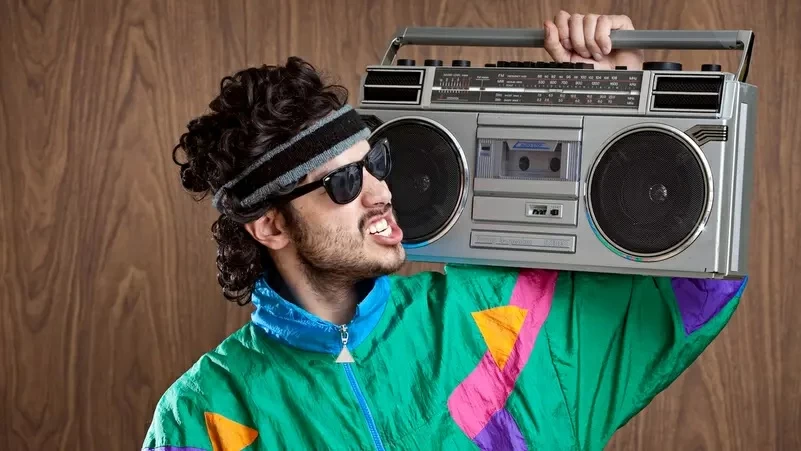
فيما انتشر تريند جديد على مواقع التواصل الاجتماعي في مصر، يجمع بين الحنين إلى أجواء الثمانينيات ومتعة استعادة ملامح تلك الحقبة، إلا أنه أثار تساؤلات حول مصير الصور والبيانات الشخصية التي يشاركها المستخدمون عبر هذه التطبيقات.
وحذر المتخصص في تكنولوجيا المعلومات الدكتور أسامة مصطفى، من مخاطر مشاركة الصور الشخصية عبر ترندات مواقع التواصل الاجتماعي، مؤكداً أن الخطورة لا تكمن في التريند نفسه، وإنما في حجم الصور والبيانات الشخصية التي يشاركها المستخدمون عبر التطبيقات المختلفة.
مشاركة الصور الشخصية
وأوضح مصطفى خلال مداخلة هاتفية لقناة «إكسترا نيوز»، اليوم، أن تريندات تحويل الصور إلى أشكال تنتمي إلى حقب زمنية مختلفة، ومن بينها تريند صور «الثمانينيات»، تشجع أعداداً كبيرة من المستخدمين على مشاركة صورهم الشخصية، لافتاً إلى أن صور الوجه تتضمن بيانات بيومترية يمكن الاستفادة منها في تطبيقات وخدمات تعتمد على تقنيات التعرف على الوجه بدلاً من كلمات المرور.
وأشار إلى أن انتشار الصور على نطاق واسع يجعل من الصعب على المستخدم التحكم في كيفية استخدامها لاحقاً، موضحاً أن الأمر لا يقتصر على التطبيق الذي يرفع المستخدم صورته إليه، وإنما يمتد إلى إمكانية إعادة تداول الصورة أو تحميلها واستخدامها من جانب أطراف أخرى.
روابط مزيفة
وحذّر خبير تكنولوجيا المعلومات من الروابط التي يتم تداولها عبر مواقع التواصل الاجتماعي بهدف المشاركة في بعض التريندات، مؤكداً أن بعضها قد يكون مزيفاً أو مصمماً لإخفاء الوجهة الحقيقية للرابط.
وأضاف أن الضغط على رابط غير موثوق قد يعرّض الهاتف للاختراق ويهدد البيانات المخزنة عليه، مشدداً على ضرورة التأكد من مصدر الرابط قبل فتحه أو إدخال أي بيانات من خلاله.
While a new trend has spread on social media in Egypt, combining nostalgia for the atmosphere of the 1980s with the enjoyment of recalling the features of that era, it has raised questions about the fate of the photos and personal data shared by users through these applications.
Dr. Osama Mustafa, an information technology specialist, warned of the dangers of sharing personal photos through social media trends, emphasizing that the danger does not lie in the trend itself, but in the volume of photos and personal data shared by users across various applications.
Sharing Personal Photos
Mustafa explained during a phone interview with "Extra News" channel today that trends transforming photos into forms belonging to different time periods, including the "1980s" photo trend, encourage a large number of users to share their personal photos. He pointed out that facial images contain biometric data that can be utilized in applications and services relying on facial recognition technologies instead of passwords.
He noted that the widespread sharing of photos makes it difficult for users to control how they are used later, clarifying that the issue is not limited to the application where the user uploads their photo, but extends to the possibility of the photo being redistributed or downloaded and used by other parties.
Fake Links
The information technology expert warned against links that are circulated on social media for the purpose of participating in some trends, confirming that some of them may be fake or designed to hide the true destination of the link.
He added that clicking on an untrusted link may expose the phone to hacking and threaten the data stored on it, stressing the need to verify the source of the link before opening it or entering any data through it.