بدأ رجال الإطفاء في أستراليا رفع مستوى التأهب استعدادًا لموسم حرائق الغابات، مع ارتفاع درجات الحرارة في نصف الكرة الجنوبي، وسط مخاوف من أن تؤدي الظروف المناخية الحارة والجافة إلى زيادة مخاطر اندلاع الحرائق وانتشارها.
وتشهد أستراليا بالفعل تأثيرات قوية لظاهرة «إل نينيو» المناخية، التي ترتبط عادة بارتفاع درجات الحرارة وانخفاض معدلات الأمطار، بما يهيئ ظروفًا أكثر ملاءمة لاندلاع حرائق الغابات.
وقال ترينت كيرتن، رئيس هيئة الإطفاء الريفية في ولاية نيو ساوث ويلز، التي تضم أكبر قوة متطوعين لمكافحة الحرائق في العالم، إن السلطات تشعر بالقلق من احتمال ارتفاع مخاطر الحرائق هذا العام مقارنة بالأعوام السابقة.
وأضاف كيرتن أن الظروف التي تشهدها مناطق واسعة من أوروبا حاليًا تثير القلق، مشيرًا إلى أن القارة، التي تعد الأسرع ارتفاعًا في درجات الحرارة على مستوى العالم، شهدت صيفًا شديد الحرارة أدى إلى جفاف الغطاء النباتي وزيادة حدة حرائق الغابات.
وشهدت بريطانيا، على سبيل المثال، أكثر فصول الصيف حرارة منذ بدء تسجيل البيانات، بينما سجلت إيطاليا أكثر فصول الصيف حرارة منذ 75 عامًا.
وقال كيرتن إن مناطق في نصف الكرة الشمالي تشهد حاليًا «ظروفًا استثنائية»، لافتًا إلى أن بعض الحرائق التي اندلعت هناك لم تشهدها تلك المناطق منذ عقود، وربما لم تشهدها من قبل.
وتملك أستراليا خبرة طويلة في مواجهة حرائق الغابات، بعدما تعرضت خلال موسم «الصيف الأسود» بين عامي 2019 و2020 لواحدة من أسوأ كوارث الحرائق في تاريخها؛ إذ التهمت النيران مساحة تعادل تقريبًا مساحة تركيا، وأسفرت عن مقتل 33 شخصًا.
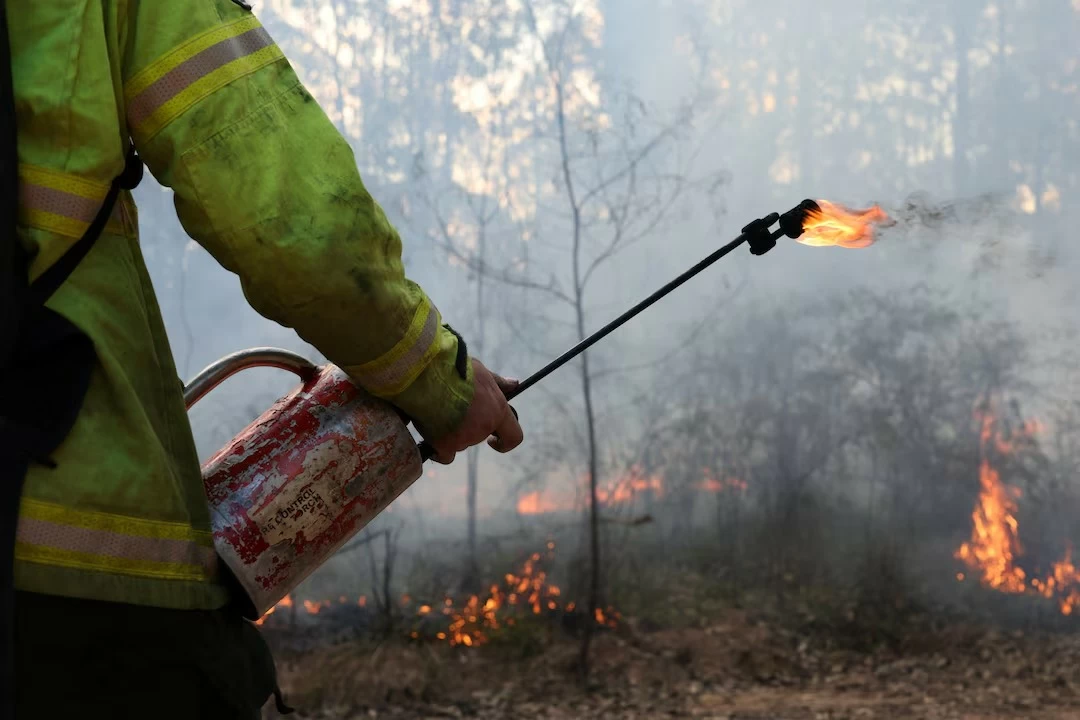
وفي إطار استعداداتها للموسم الجديد، تنفذ السلطات الأسترالية بصورة دورية عمليات حرق وقائي للغطاء النباتي، يتم خلالها إشعال أجزاء محددة من الغابات بصورة مدروسة وتحت السيطرة، بهدف تقليل كمية النباتات الجافة التي يمكن أن تغذي الحرائق والحد من سرعة انتشارها في حال اندلاعها.
وقال أليكس كابارارو، أحد قادة القطاعات في مؤسسة الغابات في نيو ساوث ويلز، خلال إشرافه على إحدى عمليات الحرق الوقائي على بعد نحو ثلاث ساعات شمال سيدني: «نحن في حالة تأهب هذا العام، لكننا لسنا في حالة ذعر».
وأضاف أن السلطات تدرك أن التوقعات الموسمية تشير إلى موسم حرائق «أكثر نشاطًا من المعتاد»، مع توقع ظروف شديدة الجفاف والحرارة.
وبحسب مكتب الأرصاد الجوية الأسترالي، يبدأ موسم ذروة خطر الحرائق عادة في منتصف أكتوبر في المناطق الشمالية من نيو ساوث ويلز، بينما يبدأ في ديسمبر في الأجزاء الجنوبية من الولاية.
وتأتي استعدادات أستراليا في وقت تكثف فيه موجات الحر والجفاف والحرائق الشديدة حول العالم المخاوف من تداعيات ارتفاع درجات الحرارة وتغير أنماط الطقس، ما يدفع أجهزة مكافحة الحرائق إلى تعزيز جاهزيتها قبل دخول الأشهر الأكثر خطورة.
Firefighters in Australia have begun to raise their alert levels in preparation for the bushfire season, as temperatures rise in the Southern Hemisphere, amid concerns that hot and dry climatic conditions could increase the risks of fires breaking out and spreading.
Australia is already experiencing strong effects from the climatic phenomenon of "El Niño," which is typically associated with rising temperatures and decreased rainfall, creating more favorable conditions for bushfires to ignite.
Trent Curtin, head of the Rural Fire Service in New South Wales, which has the largest volunteer firefighting force in the world, stated that authorities are concerned about the potential for increased fire risks this year compared to previous years.
Curtin added that the conditions currently being experienced in large areas of Europe are alarming, noting that the continent, which is warming the fastest in the world, has seen an extremely hot summer that has dried out vegetation and intensified bushfires.
For example, Britain has experienced its hottest summer on record, while Italy has recorded its hottest summer in 75 years.
Curtin mentioned that areas in the Northern Hemisphere are currently experiencing "exceptional conditions," pointing out that some of the fires that have broken out there have not been seen in those regions for decades, and may never have been seen before.
Australia has extensive experience in dealing with bushfires, having faced one of the worst fire disasters in its history during the "Black Summer" season between 2019 and 2020; the flames consumed an area nearly the size of Turkey and resulted in the deaths of 33 people.
As part of its preparations for the new season, Australian authorities regularly conduct controlled burns of vegetation, where specific parts of the forests are ignited in a controlled manner, aimed at reducing the amount of dry plants that could fuel fires and limiting their spread in the event of ignition.
Alex Capararo, one of the sector leaders at the Forestry Corporation of New South Wales, stated during his supervision of a controlled burn about three hours north of Sydney: "We are on alert this year, but we are not in a state of panic."
He added that authorities are aware that seasonal forecasts indicate a "more active than usual" fire season, with expectations of extremely dry and hot conditions.
According to the Australian Bureau of Meteorology, the peak fire danger season typically begins in mid-October in the northern regions of New South Wales, while it starts in December in the southern parts of the state.
Australia's preparations come at a time when heatwaves, droughts, and severe fires around the world are intensifying concerns about the impacts of rising temperatures and changing weather patterns, prompting firefighting agencies to enhance their readiness before entering the most dangerous months.