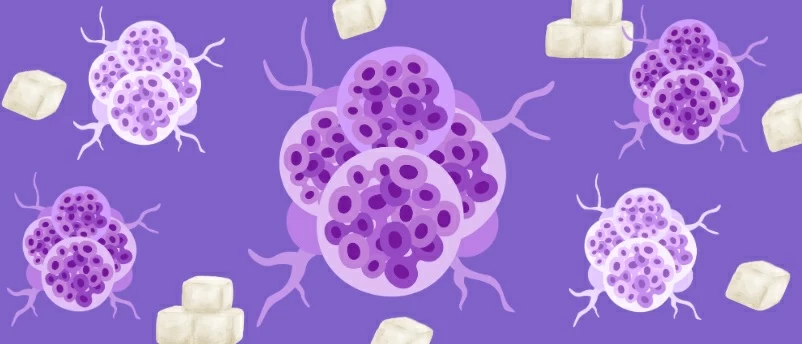
حذّرت دراسة حديثة صادرة عن معهد (ويستار) من دور غير متوقع للفركتوز (أحد أكثر السكريات انتشارًا في الأنظمة الغذائية الحديثة) في تعزيز انتشار شكل عدواني من سرطان المبيض؛ وذلك وفق ما ورد في مجلة Nature Aging.
وأظهرت النتائج أن الخلايا السرطانية التي تنجو من العلاج الكيميائي لا تدخل في حالة خمول كما كان يُعتقد، بل تبقى نشطة وتطلق جزيئات تعمل كإشارات تحفّز الخلايا المجاورة على التحول والانتشار داخل الجسم.
وبيّن الباحثون أن هذه هي المرة الأولى التي يُثبت فيها أن الجزيئات التي تفرزها الخلايا الناجية، وليس الخلايا نفسها، هي المحرك الأساسي لعملية الانتشار في نموذج ما قبل سريري. وقال آيدان كول، الباحث الرئيس في الدراسة: إن بعض الخلايا التي تنجو من العلاج لا تعود للانقسام لكنها تظل فعّالة بيولوجيًا، وتفرز إشارات قادرة على دفع الخلايا القريبة إلى سلوك أكثر عدوانية، مشيرًا إلى أن الفركتوز قد يكون أحد هذه الإشارات.
وتوصل الفريق إلى أن الخلايا الناجية تستخدم الفركتوز وتعيد توجيهه كإشارة تعزز قدرة الخلايا الأخرى على الغزو، وأن تناول كميات مرتفعة منه -خصوصًا عبر المشروبات المحلاة- قد يؤدي إلى التأثير ذاته حتى دون وجود علاج كيميائي. وتكتسب هذه النتائج أهمية خاصة في الولايات المتحدة، حيث يشكّل شراب الذرة عالي الفركتوز نسبة كبيرة من السعرات اليومية لدى بعض الأفراد، ما يثير تساؤلات حول تأثير النظام الغذائي في تطور الأورام.
وكشفت الدراسة أن الفركتوز يخفض مستويات الكوليسترول داخل الخلايا المجاورة، وهو عنصر أساسي للحفاظ على تماسك الخلايا. ومع انخفاضه، تصبح الخلايا أقل ترابطًا وأكثر قابلية للانفصال والانتشار. كما لاحظ الباحثون أن أدوية الستاتين، المستخدمة لخفض الكوليسترول، قد تؤثر في هذا المسار البيولوجي عبر تقليل تماسك الخلايا، مع التأكيد على عدم وجود توصية طبية بوقف استخدامها.
ويرى الفريق أن هذا المسار قد لا يقتصر على سرطان المبيض، بل قد يشمل سرطانات أخرى تنتشر داخل التجويف البطني مثل البنكرياس والقولون والكبد. ويخطط الباحثون لإجراء دراسات موسعة لفهم مدى ارتباط التغذية بانتشار الأورام، واستكشاف إمكانية تعميم النتائج على أنواع مختلفة من السرطان.
A recent study from the Wistar Institute warned of an unexpected role of fructose (one of the most prevalent sugars in modern diets) in promoting the spread of an aggressive form of ovarian cancer; this was reported in the journal Nature Aging.
The results showed that cancer cells that survive chemotherapy do not enter a dormant state as previously thought, but remain active and release molecules that act as signals, prompting neighboring cells to transform and spread within the body.
The researchers indicated that this is the first time it has been proven that the molecules secreted by the surviving cells, rather than the cells themselves, are the primary drivers of the spreading process in a preclinical model. Aidan Cole, the lead researcher of the study, stated that some cells that survive treatment do not return to division but remain biologically active, secreting signals capable of pushing nearby cells towards more aggressive behavior, noting that fructose may be one of these signals.
The team found that the surviving cells utilize fructose and redirect it as a signal that enhances the ability of other cells to invade, and that consuming high amounts of it—especially through sweetened beverages—may lead to the same effect even without the presence of chemotherapy. These results are particularly significant in the United States, where high fructose corn syrup constitutes a large portion of daily calories for some individuals, raising questions about the impact of diet on tumor development.
The study revealed that fructose lowers cholesterol levels in neighboring cells, which is a key element in maintaining cell cohesion. As it decreases, the cells become less interconnected and more prone to separation and spread. The researchers also noted that statin drugs, used to lower cholesterol, may affect this biological pathway by reducing cell cohesion, while emphasizing that there is no medical recommendation to stop using them.
The team believes that this pathway may not be limited to ovarian cancer but could also include other cancers that spread within the abdominal cavity, such as pancreatic, colon, and liver cancers. The researchers plan to conduct extensive studies to understand the extent to which nutrition is related to tumor spread and to explore the possibility of generalizing the findings to different types of cancer.