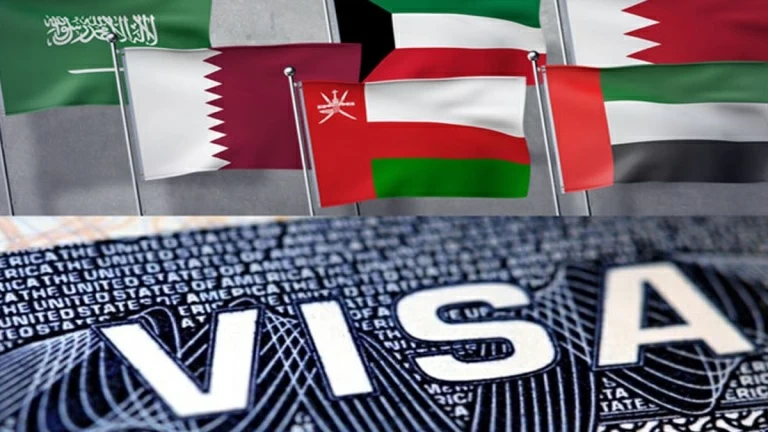
تخيل أن تتناول فطورك في سوق المباركية العريق في الكويت، وتستمتع بغدائك بين ممرات باب البحرين التاريخي في المنامة، ثم تختم يومك بوجبة عشاء ساحرة في حي الطريف بالدرعية في الرياض.. كل هذا بجواز سفر واحد، وتأشيرة واحدة، ودون تعقيدات حدودية! هذا السيناريو الذي طالما انتظره ملايين المسافرين، لم يعد مجرد فكرة على ورق. فقد دخل مشروع التأشيرة السياحية الخليجية الموحدة عدّه التنازلي الأخير ليرى النور فعلياً، معلناً ولادة «شنجن خليجية» تجمع ست دول في وجهة سياحية عالمية واحدة.
كشف الأمين العام لمجلس التعاون لدول الخليج العربية جاسم البديوي اقتراب موعد إطلاق المشروع ليدخل حيز التنفيذ الفعلي في الفترة القريبة القادمة. وأكّد البديوي أن المشروع لم يعد في أروقة الدراسة، بل وصل إلى مراحله التنظيمية الفنية الأخيرة، بفضل جهود جبارة وتنسيق مستمر بين إدارات الجوازات بوزارات الداخلية الخليجية، بهدف تعزيز التكامل الخليجي وتسهيل حركة السياح والزوار.
أكثر من مجرد تأشيرة
هذه النقلة النوعية لا تقف عند حدود السياحة؛ بل هي واجهة لمنظومة أمنية وتكنولوجية شديدة التطور. ووفقاً للأمين العام، فإن مسيرة العمل الخليجي المشترك تشهد قفزة تكنولوجية، حيث يجري العمل حالياً على صياغة إستراتيجية خليجية مشتركة للتعامل مع تقنيات الذكاء الاصطناعي، للاستفادة القصوى من حلوله المتطورة ومواجهة تحدياته الأمنية بحزم.
هذا الربط التقني المتكامل ليس جديداً بالكامل، بل يرتكز على مكتسبات حقيقية يلمسها المواطن والمقيم يومياً، مثل: الربط الإلكتروني للأنظمة الأمنية، والاعتراف المتبادل برخص القيادة بين دول المجلس، وتطوير ربط المخالفات المرورية إلكترونياً.
وفي سياق متصل يعكس حجم التنسيق الأمني العميق الذي يواكب هذا الانفتاح، شدد البديوي على أن الأمن الخليجي يقف بالمرصاد لمخططات الجريمة. وأوضح أن هناك معلومات استخباراتية مؤكدة ترصد مساعي من عصابات وجهات ودول تستهدف فئة الشباب في الخليج عبر ترويج المواد المخدرة وإنشاء مصانع مخصصة لذلك.
ولحماية المجتمعات، واجهت دول المجلس هذه المخططات بإستراتيجية أمنية موحدة ومكثفة تم اعتمادها العام الماضي، تشمل تنسيقاً ميدانياً عالي المستوى ولجاناً مختصة تعقد اجتماعات دورية لتوحيد جهود المكافحة وحماية الأمن الوطني الخليجي.
ولا شك أن هذا الحراك المتسارع والنتائج الملموسة التي تنعكس على استقرار المنطقة ودعم نموها الاقتصادي، جاءت مدفوعة بالتوجيهات السديدة لقادة دول مجلس التعاون التي أسهمت في تكثيف اللقاءات وتحقيق التكامل الشامل. ويمكن القول إن الخليج اليوم لا يفتح أبوابه للسياح فقط، بل يفتح صفحة جديدة من التاريخ، يعيد فيها تعريف مفهوم السفر، والاستثمار، والأمن المشترك في واحدة من أكثر مناطق العالم ديناميكية ونمواً.
Imagine having your breakfast in the historic Souq Al-Mubarakiya in Kuwait, enjoying your lunch among the corridors of the historic Bab Al-Bahrain in Manama, and then ending your day with a magical dinner in the Al-Turaif district in Diriyah, Riyadh.. all this with one passport, one visa, and without border complications! This scenario that millions of travelers have long awaited is no longer just an idea on paper. The Gulf Unified Tourist Visa project has entered its final countdown to see the light of day, announcing the birth of a "Gulf Schengen" that brings together six countries into one global tourist destination.
The Secretary-General of the Gulf Cooperation Council, Jasem Al-Budaiwi, revealed that the launch date of the project is approaching to enter into actual implementation in the near future. Al-Budaiwi confirmed that the project is no longer in the study corridors but has reached its final organizational and technical stages, thanks to tremendous efforts and ongoing coordination between the passport departments of the Gulf interior ministries, aimed at enhancing Gulf integration and facilitating the movement of tourists and visitors.
More than Just a Visa
This qualitative leap does not stop at the borders of tourism; rather, it is a front for a highly developed security and technological system. According to the Secretary-General, the joint Gulf work is witnessing a technological leap, as efforts are currently underway to formulate a joint Gulf strategy to deal with artificial intelligence technologies, to make the most of its advanced solutions and to face its security challenges decisively.
This integrated technical linkage is not entirely new; it is based on real gains that citizens and residents experience daily, such as: the electronic linkage of security systems, mutual recognition of driving licenses among member states, and the development of electronic linkage for traffic violations.
In a related context that reflects the depth of security coordination accompanying this openness, Al-Budaiwi emphasized that Gulf security is vigilant against criminal schemes. He explained that there is confirmed intelligence information monitoring efforts by gangs, entities, and countries targeting young people in the Gulf by promoting drugs and establishing factories for that purpose.
To protect communities, the member states have confronted these schemes with a unified and intensive security strategy adopted last year, which includes high-level field coordination and specialized committees that hold regular meetings to unify anti-crime efforts and protect Gulf national security.
There is no doubt that this accelerated movement and the tangible results reflected on the stability of the region and supporting its economic growth have been driven by the wise directives of the leaders of the Gulf Cooperation Council, which have contributed to intensifying meetings and achieving comprehensive integration. It can be said that the Gulf today is not only opening its doors to tourists but is also turning a new page in history, redefining the concepts of travel, investment, and collective security in one of the most dynamic and growing regions in the world.