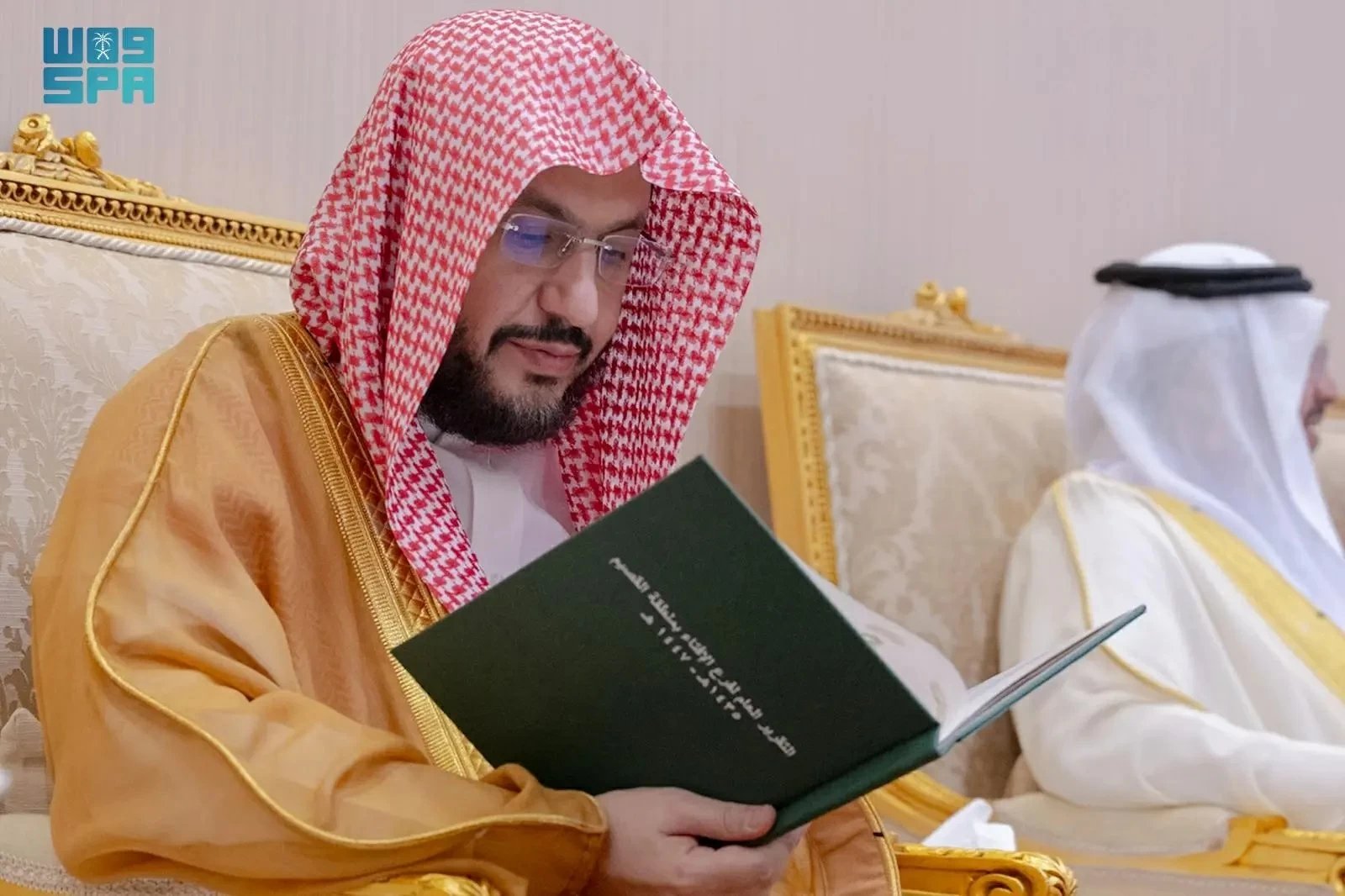
أكد الأمين العام لهيئة كبار العلماء الأمين العام للجنة الدائمة للفتوى المشرف العام على مكتب المفتي العام الشيخ الدكتور فهد بن سعد الماجد أهمية الدور الذي تضطلع به هيئة كبار العلماء واللجنة الدائمة للفتوى في تعزيز الأمن الفكري وترسيخ استقرار المجتمع وحماية النسيج الوطني من خلال تقديم مرجعية شرعية مؤسسية موثوقة، وتصحيح المفاهيم، ومواكبة القضايا والمستجدات، ومواجهة خطابات الغلو والتطرف.
ترسيخ الاعتدال وصون الوعي
جاء ذلك خلال حوار ضمن منصة الحوار في برنامج مؤتمر «حوار الأمن والتاريخ 2026»، الذي تنظمه وزارة الداخلية في الرياض تحت شعار «تاريخنا ومستقبلنا.. أمن ونماء»، وتناول مكانة الفتوى والعلم الشرعي ودورهما في ترسيخ الاعتدال وصون الوعي وتعزيز أمن المجتمع. وثمّن الماجد تنظيم وزارة الداخلية للمؤتمر وإتاحة الفرصة للحديث عن دور هيئة كبار العلماء في الأمن الفكري، موضحًا أن فهم إسهام الهيئة واللجنة الدائمة للفتوى يبدأ بالتعرف على طبيعة المهمات والاختصاصات التي تضطلع بها كل منهما. وأوضح أن هيئة كبار العلماء تنظر من منظور شرعي في المسائل والقضايا ذات الطابع العام التي تهم المجتمع والمسلمين داخل المملكة وخارجها، سواء كانت فكرية أو مالية أو طبية أو غيرها من المستجدات، فيما تُعنى اللجنة الدائمة للفتوى بالمسائل والفتاوى الفردية التي ترد من أفراد المجتمع، وقد تأتي بعض إجاباتها في إطار ما سبق أن قررته الهيئة بشأن القضايا العامة.
مرجعية إفتائية موثوقة
وأكد الماجد أن المجتمعات المسلمة بحاجة إلى مرجعية إفتائية موثوقة، مبينًا أن غيابها قد يؤثر في الاستقرار والأمن الفكري، خصوصًا في المسائل الفكرية التي تحتاج إلى رأي شرعي واضح صادر عن جهة علمية موثوقة، مع التأكيد على أن مساحة الاجتهاد وتعدد الآراء والمذاهب أمر مقرر في الفقه الإسلامي. وحذّر الماجد من محاولات الجماعات المتطرفة زعزعة ثقة المجتمع في مؤسساته الإفتائية والشرعية، مشيرًا إلى أن التشكيك في تلك المؤسسات قد يفتح المجال أمام تمرير الأفكار المتطرفة إلى أفراد المجتمع، لاسيما الشباب والناشئة.
تحرير المصطلحات ومواجهة توظيفها المتطرف
وتناول الماجد تجربة هيئة كبار العلماء واللجنة الدائمة للفتوى خلال نحو 20 عامًا في التعامل مع القضايا الفكرية، موضحًا أن من أبرز المسارات التي عُنيت بها الهيئة في قراراتها وبياناتها، واللجنة في فتاواها، تحرير المصطلحات وتوضيح مدلولاتها الشرعية الصحيحة.
وبيّن أن جماعات الغلو والتطرف والإرهاب عملت على توظيف بعض المفاهيم والمصطلحات الشرعية للوصول إلى عقول الشباب والناشئة، الأمر الذي استدعى تفكيك تلك المفاهيم وبيان ما أُلصق بها من دلالات غير صحيحة.
واستشهد بمفهومي «الولاء والبراء» و«الجهاد»، موضحًا أن جماعات التطرف حاولت توظيفهما بما يخدم خطاب الصراع والعنف، في حين عملت هيئة كبار العلماء على بيان مدلولاتهما الشرعية وضوابطهما، وتصحيح ما ارتبط بهما من تفسيرات منحرفة.
مواقف شرعية تجاه القضايا والأحداث الكبرى
وأكد الماجد أن دور الهيئة يمتد إلى مواكبة القضايا المعاصرة وإيضاح الموقف الشرعي منها، مستعرضًا نماذج تاريخية قال إنها أظهرت أهمية البيان الشرعي الواضح والحازم في الحد من الإشكالات الفكرية.
وأشار في هذا السياق إلى موقف هيئة كبار العلماء خلال أزمة احتلال الكويت وما صاحبها من جدل بشأن الاستعانة بالقوات الأجنبية لتحرير الكويت، موضحًا أن قرار الهيئة آنذاك قدم موقفًا شرعيًا واضحًا ومستندًا إلى الأدلة الشرعية، وكان له أثر في إيضاح المسألة داخل المجتمع السعودي.
وتناول موقف الهيئة من الأعمال الإرهابية، ومن بينها هجمات مركز التجارة العالمي في الولايات المتحدة، مشيرًا إلى صدور قرارات وبيانات شرعية لتوضيح مفهوم الإرهاب وما يرتبط به من قضايا، والتأكيد على عدم توافق تلك الأعمال مع تعاليم الإسلام وتحريم الاعتداء والعنف.
وتطرق كذلك إلى قضايا تمويل الإرهاب والتكفير، موضحًا أنها من الملفات التي اشتغلت عليها الجماعات المتطرفة، فيما أسهمت بيانات وقرارات هيئة كبار العلماء في بيان الموقف الشرعي منها، ولم يقتصر أثر تلك البيانات، بحسب الماجد، على الداخل السعودي، بل امتد إلى خارج المملكة.
مواجهة الفوضى وحماية الاستقرار
وتناول الماجد الأحداث والاضطرابات التي شهدتها بعض الدول العربية خلال ما عُرف بـ«الربيع العربي»، واصفًا ما نتج عنها بـ«الفوضى»، مشيرًا إلى أن هيئة كبار العلماء أصدرت آنذاك بيانًا موجهًا إلى الداخل السعودي ركز على الأسس التي قامت عليها المملكة، وأهمية المحافظة على وحدة الصف والحذر من الفتن التي تهدد أمن الدولة واستقرارها.
وأشار إلى ما تتميز به المملكة من خدمة الحرمين الشريفين ورعايتهما والمحافظة على أمنهما، مؤكدًا أن أثر هذه الرعاية لا يقتصر على المواطنين، بل يمتد إلى المسلمين في أنحاء العالم.
وأوضح أن من الأساليب التي تميزت بها هيئة كبار العلماء كذلك تسمية الجماعات والتنظيمات بأسمائها بصورة واضحة، مشيرًا في هذا السياق إلى تنظيمَي القاعدة وداعش، وإلى البيان الذي أصدرته الهيئة بشأن جماعة الإخوان المسلمين.
وأكد أن قرارات وبيانات الهيئة تنطلق من أسس وأدلة شرعية بعيدًا عن الجدل الإنشائي، مشيرًا إلى أن الهيئة رصدت ردودًا عديدة على بعض بياناتها وأخضعتها للدراسة والتحليل، ورأى أنها لم تقدم ردًا علميًا على الأسس الشرعية التي بُنيت عليها تلك البيانات.
التأكيد على وحدة النسيج الوطني
وشدد الماجد على أن من أبرز مرتكزات منهج هيئة كبار العلماء المحافظة على اللحمة الوطنية ووحدة المجتمع السعودي، مؤكدًا أن ما يضمه الوطن من مكونات فكرية وثقافية متعددة يجتمع في إطار الهوية الوطنية والانتماء للدولة.
وأوضح أن الهيئة تؤكد في قراراتها وبياناتها رفض أي خطاب فكري أو ثقافي يسعى إلى إثارة الفتنة بين مكونات المجتمع أو الإضرار بوحدته، لما لذلك من آثار على الأمن والاستقرار والنسيج الوطني.
وأكد أن أبناء المملكة، على اختلاف مناطقهم ومكوناتهم، يجتمعون على الانتماء لوطن واحد، مشيرًا إلى أن شعور المواطن بالأمن والانتماء في مختلف مناطق المملكة يعكس متانة الأسس التي قامت عليها الدولة ووحدة المجتمع وترابطه.
واختتم الماجد حديثه بالتأكيد على أن دور هيئة كبار العلماء واللجنة الدائمة للفتوى يمتد من تحرير المصطلحات وتصحيح المفاهيم إلى مواكبة القضايا المعاصرة، ومواجهة الغلو والتطرف، وتعزيز الثقة بالمرجعية الشرعية، وصيانة وحدة المجتمع والنسيج الوطني، بما يسهم في ترسيخ الأمن الفكري والاستقرار.
The Secretary-General of the Council of Senior Scholars, the Secretary-General of the Permanent Committee for Fatwa, and the General Supervisor of the Grand Mufti's Office, Sheikh Dr. Fahd bin Saad Al-Majid, emphasized the importance of the role played by the Council of Senior Scholars and the Permanent Committee for Fatwa in enhancing intellectual security, establishing community stability, and protecting the national fabric by providing a reliable institutional religious reference, correcting misconceptions, keeping pace with issues and developments, and confronting extremist and radical discourses.
Establishing Moderation and Safeguarding Awareness
This came during a dialogue within the dialogue platform at the "Security and History 2026" conference organized by the Ministry of Interior in Riyadh under the slogan "Our History and Our Future... Security and Growth." The discussion addressed the status of fatwa and religious knowledge and their roles in establishing moderation, safeguarding awareness, and enhancing community security. Al-Majid praised the Ministry of Interior for organizing the conference and providing the opportunity to discuss the role of the Council of Senior Scholars in intellectual security, explaining that understanding the contributions of the Council and the Permanent Committee for Fatwa begins with recognizing the nature of the tasks and responsibilities that each undertakes. He clarified that the Council of Senior Scholars views issues and matters of a general nature that concern society and Muslims inside and outside the Kingdom from a religious perspective, whether they are intellectual, financial, medical, or other contemporary issues, while the Permanent Committee for Fatwa deals with individual matters and fatwas that come from members of the community, and some of its responses may fall within the framework of what the Council has previously decided regarding general issues.
A Reliable Fatwa Reference
Al-Majid affirmed that Muslim communities need a reliable fatwa reference, indicating that its absence could affect stability and intellectual security, especially in intellectual matters that require a clear religious opinion issued by a trusted scientific authority, while emphasizing that the space for ijtihad (independent reasoning) and the diversity of opinions and schools of thought is a recognized principle in Islamic jurisprudence. He warned against attempts by extremist groups to undermine the community's trust in its fatwa and religious institutions, pointing out that doubting these institutions could open the door for the transmission of extremist ideas to community members, particularly the youth and adolescents.
Clarifying Terminology and Confronting Its Extremist Utilization
Al-Majid discussed the experience of the Council of Senior Scholars and the Permanent Committee for Fatwa over nearly 20 years in dealing with intellectual issues, explaining that one of the most prominent paths that the Council has focused on in its decisions and statements, and the Committee in its fatwas, is the clarification of terminology and the correct religious meanings associated with them.
He indicated that extremist and terrorist groups have worked to exploit certain concepts and religious terminologies to reach the minds of the youth and adolescents, which necessitated dismantling those concepts and clarifying the incorrect connotations that have been attached to them.
He cited the concepts of "loyalty and disavowal" and "jihad," explaining that extremist groups have attempted to utilize them in a way that serves the discourse of conflict and violence, while the Council of Senior Scholars has worked to clarify their religious meanings and controls, correcting the distorted interpretations associated with them.
Religious Positions on Major Issues and Events
Al-Majid confirmed that the role of the Council extends to keeping pace with contemporary issues and clarifying the religious position on them, reviewing historical examples that he said demonstrated the importance of clear and firm religious statements in mitigating intellectual problems.
In this context, he referred to the position of the Council of Senior Scholars during the crisis of the occupation of Kuwait and the accompanying controversy regarding the request for foreign forces to liberate Kuwait, explaining that the Council's decision at that time provided a clear religious position based on religious evidence, which had an impact in clarifying the issue within Saudi society.
He also addressed the Council's position on terrorist acts, including the attacks on the World Trade Center in the United States, noting that religious decisions and statements were issued to clarify the concept of terrorism and the issues associated with it, emphasizing that such acts are not in accordance with the teachings of Islam and that aggression and violence are prohibited.
He also touched on issues of terrorism financing and takfir (excommunication), clarifying that these are among the files that extremist groups have worked on, while the statements and decisions of the Council of Senior Scholars have contributed to clarifying the religious position on them. According to Al-Majid, the impact of those statements was not limited to Saudi Arabia but extended beyond the Kingdom.
Confronting Chaos and Protecting Stability
Al-Majid discussed the events and disturbances that some Arab countries witnessed during what is known as the "Arab Spring," describing the resulting situation as "chaos," noting that the Council of Senior Scholars issued a statement at that time directed to the Saudi interior that focused on the foundations upon which the Kingdom was established and the importance of maintaining unity and being cautious of the seditions that threaten the security and stability of the state.
He pointed out the Kingdom's distinction in serving and protecting the Two Holy Mosques and ensuring their security, affirming that the impact of this care extends not only to citizens but also to Muslims around the world.
He clarified that one of the methods that the Council of Senior Scholars has distinguished itself with is the clear naming of groups and organizations, referring in this context to Al-Qaeda and ISIS, and to the statement issued by the Council regarding the Muslim Brotherhood.
He affirmed that the decisions and statements of the Council are based on solid religious foundations and evidence, away from rhetorical disputes, noting that the Council has monitored numerous responses to some of its statements and subjected them to study and analysis, and found that they did not provide a scientific response to the religious foundations upon which those statements were built.
Emphasizing the Unity of the National Fabric
Al-Majid stressed that one of the most prominent pillars of the methodology of the Council of Senior Scholars is the preservation of national cohesion and the unity of Saudi society, affirming that the diverse intellectual and cultural components within the nation come together within the framework of national identity and belonging to the state.
He clarified that the Council emphasizes in its decisions and statements the rejection of any intellectual or cultural discourse that seeks to incite sedition among the components of society or harm its unity, due to the repercussions this has on security, stability, and the national fabric.
He affirmed that the people of the Kingdom, regardless of their regions and components, unite in belonging to one nation, pointing out that the citizen's sense of security and belonging in various regions of the Kingdom reflects the strength of the foundations upon which the state was built and the unity and interconnectedness of society.
Al-Majid concluded his remarks by affirming that the role of the Council of Senior Scholars and the Permanent Committee for Fatwa extends from clarifying terminology and correcting concepts to keeping pace with contemporary issues, confronting extremism and radicalism, enhancing trust in the religious reference, and safeguarding the unity of society and the national fabric, contributing to the establishment of intellectual security and stability.