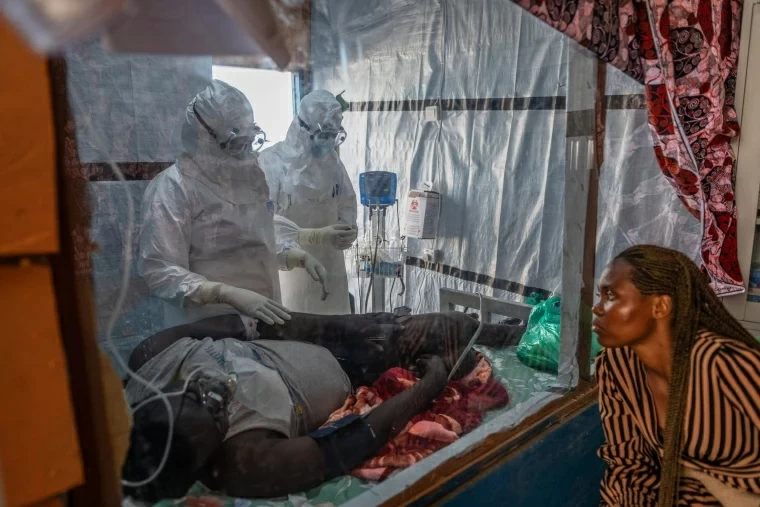
ارتفعت حصيلة الوفيات الناجمة عن فايروس إيبولا في جمهورية الكونغو الديمقراطية إلى 3007 حالات؛ وفق بيانات حكومية صدرت اليوم الأربعاء، فيما بلغ عدد الإصابات المؤكدة 6186 حالة، مع استمرار انتشار التفشي في مناطق واسعة من شمال شرقي البلاد.
ويُعد هذا التفشي، المرتبط بسلالة «بونديبوغيو»، الأعنف والأكبر في تاريخ الكونغو، متجاوزاً موجة 2018–2020 التي كانت تُعد الأكثر فتكاً سابقاً.
وأعلنت السلطات الكونغولية رسمياً ظهور المرض في إقليم إيتوري منتصف مايو، بينما تشير تقديرات خبراء الصحة إلى أن الفايروس بدأ بالانتشار منذ يناير. ومنذ الإعلان، تمدَّد التفشي ليشمل ستة أقاليم، رغم جهود حكومية ودولية لاحتواء الإصابات ومنع توسعها.
ويعزو مختصون تفاقم الوضع إلى ضعف أنظمة الرصد الصحي، وغياب الأمن في بعض المناطق، إضافة إلى مقاومة مجتمعية تعرقل اكتشاف الحالات مبكراً. وتقدّر منظمة الصحة العالمية أن نحو 60% من الوفيات تحدث خارج مراكز العلاج، ما يعكس صعوبة الوصول إلى المصابين في الوقت المناسب.
ولا تتوفر حتى الآن لقاحات أو علاجات معتمدة خصيصاً لسلالة «بونديبوغيو»، فيما تتواصل الأبحاث لتطوير لقاحات مرشحة؛ بينها مشاريع تعمل عليها جامعة أكسفورد والمبادرة الدولية للقاح الإيدز.
وفي محاولة لتعزيز الحماية للعاملين الصحيين، بدأت السلطات الكونغولية استخدام لقاح (إرفيبو) من شركة (ميرك)، المرخص لمواجهة سلالة زائير، وسط توقعات بأنه قد يوفر حماية جزئية ضد السلالة الحالية.
وتجاوز الوفيات حاجز الثلاثة آلاف يعكس حجم التحديات التي تواجهها السلطات الصحية، خصوصاً مع اتساع رقعة التفشي وصعوبة اكتشاف الإصابات في مراحلها الأولى.
The death toll from the Ebola virus in the Democratic Republic of the Congo has risen to 3,007 cases, according to government data released today, Wednesday, while the number of confirmed infections has reached 6,186, with the outbreak continuing to spread in large areas of the northeastern part of the country.
This outbreak, linked to the "Bundibugyo" strain, is the deadliest and largest in Congo's history, surpassing the 2018–2020 wave that was previously considered the most lethal.
The Congolese authorities officially announced the emergence of the disease in Ituri Province in mid-May, while health experts estimate that the virus began spreading in January. Since the announcement, the outbreak has expanded to include six provinces, despite government and international efforts to contain the infections and prevent their spread.
Experts attribute the worsening situation to weak health monitoring systems, lack of security in some areas, and community resistance that hinders early detection of cases. The World Health Organization estimates that about 60% of deaths occur outside treatment centers, reflecting the difficulty of reaching the infected in a timely manner.
As of now, there are no vaccines or treatments specifically approved for the "Bundibugyo" strain, while research continues to develop candidate vaccines, including projects being worked on by the University of Oxford and the International AIDS Vaccine Initiative.
In an effort to enhance protection for healthcare workers, Congolese authorities have begun using the Ervebo vaccine from Merck, which is licensed to combat the Zaire strain, amid expectations that it may provide partial protection against the current strain.
Surpassing the three thousand deaths reflects the magnitude of the challenges faced by health authorities, especially with the widening outbreak and the difficulty of detecting infections in their early stages.