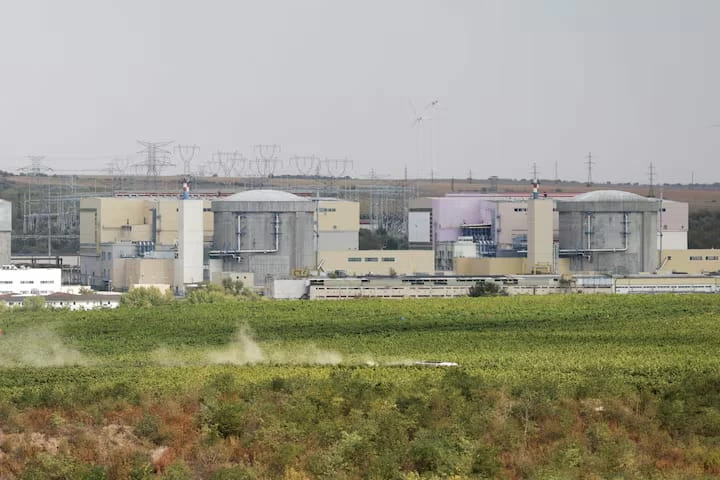
في مواجهة أزمة غير مسبوقة بسبب الانخفاض التاريخي في منسوب مياه نهر الدانوب، أقرت رومانيا إجراءات عاجلة تهدف إلى تعزيز تدفق المياه وضمان استمرار قدرة محطة تشيرنافودا النووية على الحصول على مياه التبريد اللازمة لتشغيلها، في وقت لا تزال فيه المحطة متوقفة عن العمل.
وأعلنت اللجنة الوطنية الرومانية لحالات الطوارئ، (السبت)، اعتماد حزمة من التدابير لرفع مستوى مياه نهر الدانوب في المنطقة المحيطة بالمحطة النووية، بحسب مكتب الصحافة التابع للحكومة.
وتأتي هذه الإجراءات بعدما أدى الانخفاض القياسي في منسوب النهر إلى توقف المحطة، بينما أعلنت رومانيا حالة طوارئ في أنحاء البلاد طوال شهر أغسطس، على خلفية تراجع إنتاج الكهرباء.
وتتضمن الخطة الرومانية تنفيذ أعمال تجريف عاجلة لمجرى نهر الدانوب في المنطقة القريبة من محطة تشيرنافودا، بهدف تحسين تدفق المياه والوصول إلى المستويات المطلوبة لأنظمة التبريد.
كما تعتزم السلطات بناء حاجز مائي في قناة الدانوب القديمة لتحويل جزء من المياه باتجاه منطقة مآخذ المياه التي تغذي أنظمة التبريد في المحطة النووية.
وفي إجراء إضافي، ستبدأ شركة هيدروإلكتريكا، المشغلة لمحطات الطاقة الكهرومائية في رومانيا، اعتباراً من (السبت)، إطلاق كميات من المياه المخزنة في خزانات على نهر أولت، ولمدة خمسة أيام، للمساعدة في تعزيز تدفق مياه الدانوب، إلى جانب دعم إنتاج كميات إضافية من الكهرباء.
وتشمل الخطة أيضاً تجهيز مضخات عالية القدرة لتشغيلها عند الحاجة، بهدف الحفاظ على مستوى المياه الضروري لتشغيل أنظمة محطة تشيرنافودا.
وتواجه رومانيا تداعيات انخفاض منسوب الدانوب منذ أسابيع، بعدما تسبب تراجع تدفق المياه في التأثير على إنتاج الكهرباء وأدى إلى توقف مفاعلات المحطة النووية.
وتكتسب محطة تشيرنافودا أهمية كبيرة في منظومة الطاقة الرومانية، ما يجعل ضمان توفر مياه التبريد اللازمة لتشغيلها أولوية للسلطات، خصوصاً في ظل أزمة إنتاج الكهرباء التي تشهدها البلاد.
In the face of an unprecedented crisis due to the historic drop in the water level of the Danube River, Romania has approved urgent measures aimed at enhancing water flow and ensuring the continued ability of the Cernavodă Nuclear Power Plant to obtain the necessary cooling water for its operation, at a time when the plant remains offline.
The Romanian National Emergency Committee announced on (Saturday) the adoption of a package of measures to raise the water level of the Danube River in the area surrounding the nuclear power plant, according to the government's press office.
These measures come after the record drop in the river's level led to the shutdown of the plant, while Romania declared a state of emergency across the country throughout August, against the backdrop of declining electricity production.
The Romanian plan includes urgent dredging works for the Danube River channel in the vicinity of the Cernavodă plant, aimed at improving water flow and reaching the required levels for cooling systems.
The authorities also intend to build a water barrier in the old Danube channel to redirect part of the water towards the water intake area that feeds the cooling systems of the nuclear power plant.
As an additional measure, Hidroelectrica, the operator of hydropower plants in Romania, will begin releasing stored water from reservoirs on the Olt River starting from (Saturday) for a duration of five days, to help enhance the flow of the Danube River, alongside supporting the production of additional electricity.
The plan also includes preparing high-capacity pumps to operate them when necessary, with the aim of maintaining the water level needed for the operation of the Cernavodă systems.
Romania has been facing the repercussions of the declining Danube level for weeks, as the decrease in water flow has affected electricity production and led to the shutdown of the nuclear plant's reactors.
The Cernavodă plant holds significant importance in the Romanian energy system, making the assurance of the necessary cooling water for its operation a priority for the authorities, especially amid the electricity production crisis the country is experiencing.