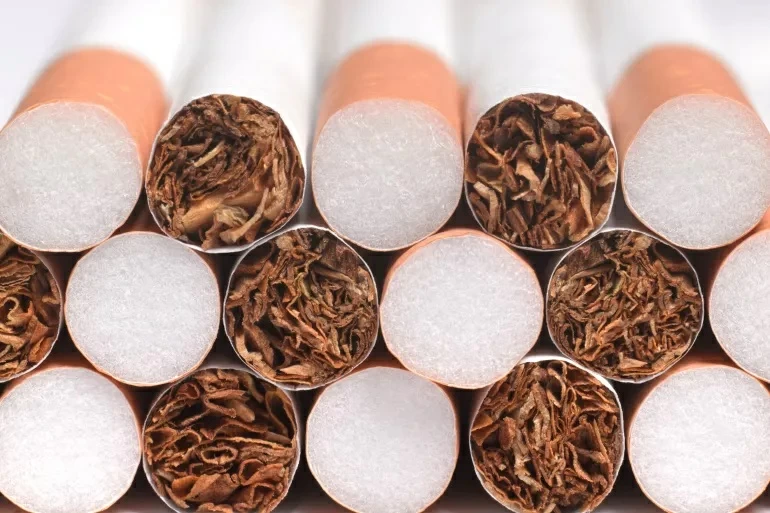
في واقعة علمية غير متوقعة قد تنهي حقبة تربية الماشية التقليدية، نجح علماء من جامعة «إمبريال كوليدج لندن» في تحويل نبات التبغ (المعروف عبر التاريخ بالتدخين) إلى «مصنع حيوي» ينتج بروتين اللحوم الحمراء الخاص بالأبقار بجميع خصائصه!
الاختراق الذي وثقته دورية «Frontiers in Plant Science»، اعتمد على تقنية مجهرية خاطفة تُدعى «مسدس الجينات»، والتي قامت بتصويب شفرات وراثية مأخوذة من الماشية وإطلاقها بدقة داخل البلاستيدات الخضراء لخلايا التبغ والخس.
كيف يمنح التبغ طعم ورائحة اللحم البقري؟
السر كامن في تصنيع بروتين «الميوجلوبين»، وهو المركب السحري المسؤول عن منح اللحوم نكهتها المعدنية، ولونها الأحمر القاني، وطعم «الأومامي» الشهير.
وجاءت النتائج مذهلة، إذ أظهرت التحليلات الدقيقة أن نبات التبغ المعدل أخذ يفرز نحو 800 مليغرام من بروتين اللحم البقري لكل كيلوغرام مجفف، مع قدرة غريبة على توريث هذه الجينات الحيوانية للجيل التالي عبر البذور بشكل طبيعي!
هذه التجربة لا تعني مجرد ابتكار بديل للحوم، بل تعيد صياغة استخدام المحاصيل الزراعية، إذ يتوقع الباحثون أن تتيح زراعة «التبغ البقري» على مساحات واسعة إنتاج بروتينات غذائية ضخمة تنافس المزارع الحيوانية، ولكن باستهلاك مياه أقل وانبعاثات كربونية شبه معدومة.
In an unexpected scientific event that could end the era of traditional livestock farming, scientists from Imperial College London have succeeded in transforming tobacco plants (historically known for smoking) into a "biological factory" that produces beef protein with all its characteristics!
The breakthrough, documented in the journal "Frontiers in Plant Science," relied on a rapid microscopic technique called "gene gun," which precisely shot genetic codes taken from cattle into the chloroplasts of tobacco and lettuce cells.
How does tobacco give the taste and aroma of beef?
The secret lies in the production of "myoglobin," the magical compound responsible for giving meat its metallic flavor, deep red color, and the famous "umami" taste.
The results were astonishing, as detailed analyses showed that the modified tobacco plant began to secrete about 800 milligrams of beef protein per kilogram of dried matter, with a strange ability to pass these animal genes to the next generation through seeds naturally!
This experiment does not merely signify the invention of an alternative to meat, but it also redefines the use of agricultural crops, as researchers expect that growing "beef tobacco" on large areas will produce massive nutritional proteins that compete with livestock farms, but with lower water consumption and nearly zero carbon emissions.