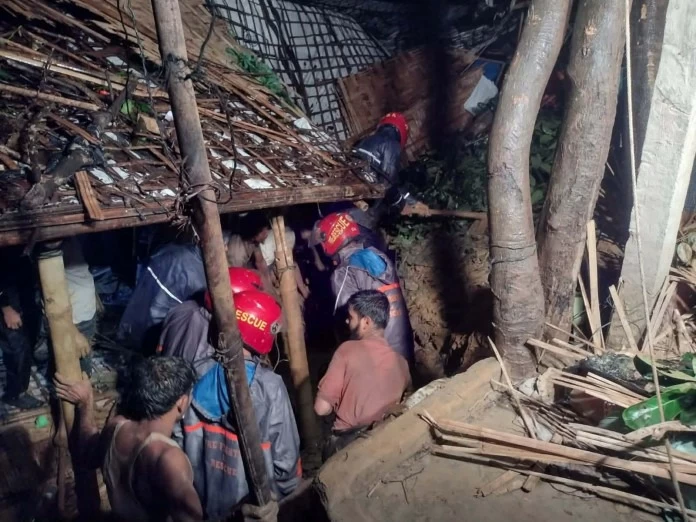
لقي ما لا يقل عن ثمانية من لاجئي الروهينغا المسلمين، بينهم عدد من الأطفال، مصرعهم وأصيب آخرون بجروح في الساعات الأولى من صباح الإثنين، إثر انهيارات أرضية متعددة تسببت فيها الأمطار الموسمية الغزيرة التي اجتاحت مخيمات اللاجئين في منطقة كوكس بازار جنوب شرقي بنغلاديش.
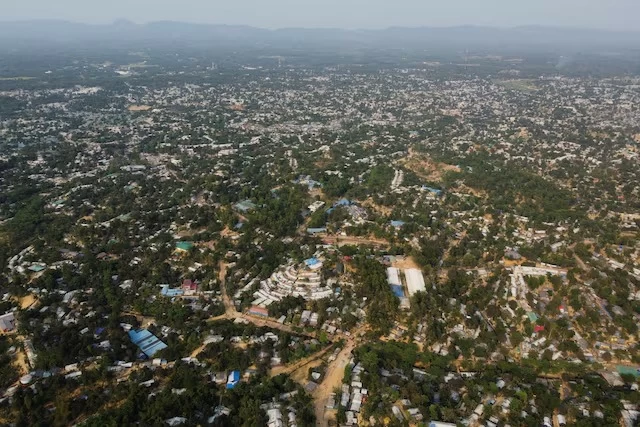
وتضم مخيمات كوكس بازار، التي تُعد أكبر تجمع للاجئين في العالم، أكثر من 1.2 مليون من الروهينغا الذين فرّ معظمهم من حملة عسكرية شهدتها ميانمار عام 2017، حيث يعيشون في ملاجئ مؤقتة شُيدت من الخيزران والأغطية البلاستيكية فوق تلال منزوعة الأشجار، ما يجعلها عرضة بشكل كبير للانهيارات الأرضية خلال موسم الأمطار السنوي.
وأوضحت السلطات أن الانهيارات وقعت في أربعة مواقع داخل المخيمات، حيث دفنت الأوحال والأنقاض عدداً من المساكن، بينما كان السكان نائمين.
كما أسفر انهيار جزء من أحد التلال في منطقة كوكس بازار عن مقتل مواطن بنغلاديشي وإصابة اثنين من أفراد أسرته بعد انهيار التربة على منزلهم.
وقالت المسؤولة في شرطة كوكس بازار، تومبا داس، إن حصيلة الضحايا ارتفعت إلى ثمانية قتلى نتيجة الانهيارات الأرضية الناجمة عن الأمطار الغزيرة، مشيرة إلى أن استمرار هطول الأمطار يزيد من احتمالات وقوع مزيد من الانهيارات، في ظل استمرار إقامة آلاف اللاجئين في مناطق مرتفعة وغير مستقرة.
من جانبه، أكد المسؤول البنغلاديشي المكلف بملف إغاثة وإعادة لاجئي الروهينغا، محمد ميزانور رحمن، أن السلطات تعمل على إجلاء السكان من المناطق الأكثر عرضة للخطر بأسرع وقت ممكن، بهدف الحد من وقوع المزيد من الضحايا.
وتأتي هذه الكارثة في وقت تتصاعد فيه المخاوف من موجة نزوح جديدة للروهينغا، مع تجدد الاشتباكات في ولاية راخين غربي ميانمار، الأمر الذي دفع السلطات البنغلاديشية إلى تشديد إجراءات المراقبة على الحدود، وسط تقارير عن تجمع أشخاص بالقرب من المعابر الحدودية في محاولة لدخول البلاد.
وفي السياق ذاته، توقعت هيئة الأرصاد الجوية في بنغلاديش استمرار هطول الأمطار الغزيرة خلال الأيام القادمة، ما دفع السلطات إلى إبقاء حالة التأهب تحسباً لوقوع مزيد من الانهيارات الأرضية والسيول المفاجئة.
وتشهد مخيمات الروهينغا سنوياً خلال موسم الرياح الموسمية انهيارات أرضية وفيضانات متكررة، تؤدي إلى سقوط ضحايا وإلحاق أضرار واسعة بالمساكن والطرق والبنية التحتية داخل المخيمات.
At least eight Rohingya Muslim refugees, including several children, lost their lives and others were injured in the early hours of Monday due to multiple landslides caused by heavy monsoon rains that swept through the refugee camps in the Cox's Bazar region of southeastern Bangladesh.
The Cox's Bazar camps, considered the largest refugee settlement in the world, house more than 1.2 million Rohingya, most of whom fled a military crackdown in Myanmar in 2017. They live in temporary shelters made of bamboo and plastic tarps on deforested hills, making them highly susceptible to landslides during the annual monsoon season.
Authorities reported that the landslides occurred in four locations within the camps, where mud and debris buried several homes while residents were sleeping.
Additionally, a landslide from one of the hills in the Cox's Bazar area resulted in the death of a Bangladeshi citizen and injured two family members after soil collapsed onto their house.
Tomba Das, a Cox's Bazar police official, stated that the death toll has risen to eight due to the landslides caused by the heavy rains, noting that the continued rainfall increases the likelihood of further landslides, as thousands of refugees remain in elevated and unstable areas.
For his part, the Bangladeshi official responsible for the relief and repatriation of Rohingya refugees, Mohammad Mizanur Rahman, confirmed that authorities are working to evacuate residents from the most at-risk areas as quickly as possible to minimize further casualties.
This disaster comes at a time when fears of a new wave of Rohingya displacement are rising, with renewed clashes in Rakhine State in western Myanmar, prompting Bangladeshi authorities to tighten border surveillance amid reports of people gathering near border crossings in an attempt to enter the country.
In this context, the Bangladesh Meteorological Department has forecasted continued heavy rainfall in the coming days, prompting authorities to maintain a state of alert in anticipation of further landslides and flash floods.
The Rohingya camps experience annual landslides and recurring floods during the monsoon season, leading to casualties and extensive damage to shelters, roads, and infrastructure within the camps.