ارتفعت حصيلة ضحايا الزلزالين العنيفين اللذين ضربا فنزويلا إلى 164 قتيلًا و971 مصابًا، في وقت تتواصل فيه عمليات البحث والإنقاذ وسط مخاوف من ارتفاع عدد الضحايا خلال الساعات المقبلة.
ووفق ما أعلنته الرئيسة المؤقتة للبلاد ديلسي رودريغيز، يمثّل الرقم الجديد قفزة كبيرة مقارنة بالحصيلة الأولية التي تحدثت عن 32 وفاة ونحو 700 إصابة، في ظل استمرار وصول فرق الطوارئ إلى المناطق المنكوبة.
وضرب فنزويلا زلزالان بقوة 7.2 و7.5 درجة على مقياس ريختر، في واحدة من أقوى الهزات الأرضية التي تشهدها البلاد منذ أكثر من مئة عام.
وقالت رودريغيز إن السلطات بدأت إعادة توزيع فرق الإنقاذ من مناطق مختلفة داخل البلاد لدعم العمليات في ولاية لا غوايرا الواقعة شمال العاصمة كاراكاس، والتي تُعد الأكثر تضررًا من الكارثة.
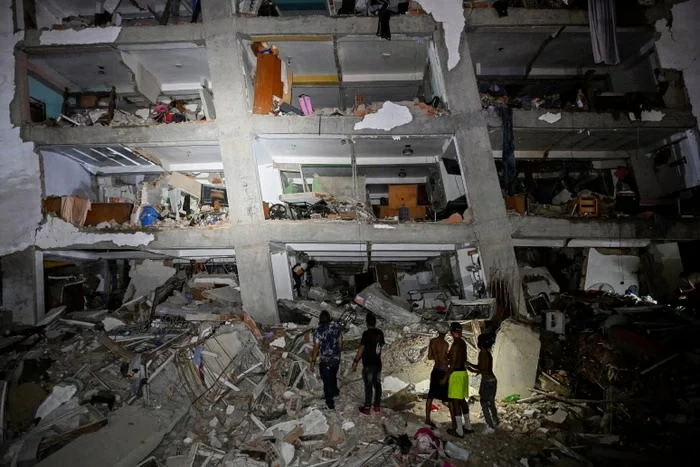
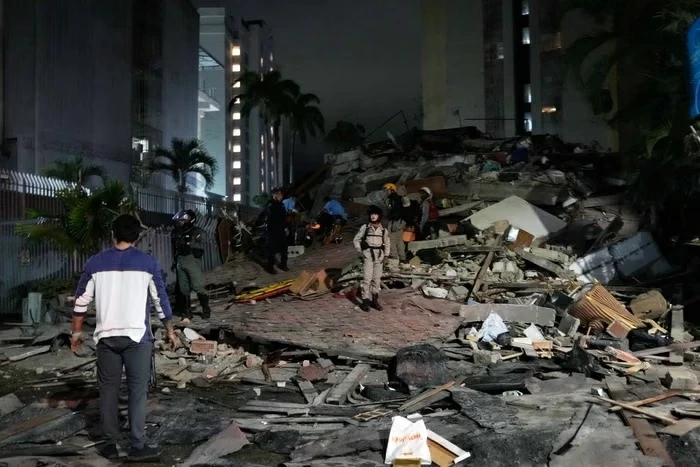
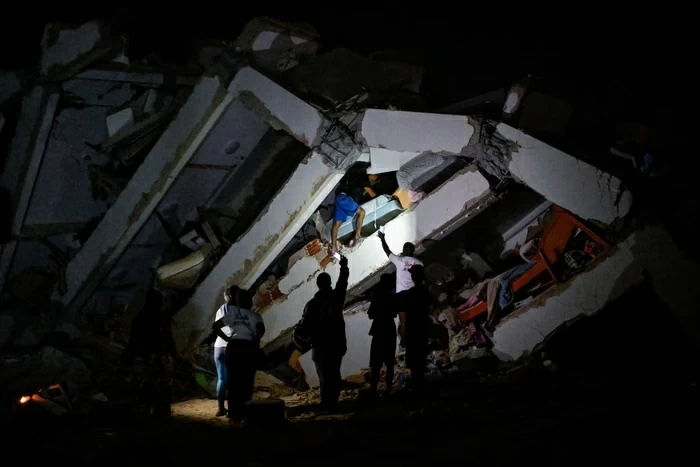
وأضافت: «عشرات المباني انهارت في المنطقة، وننفذ حاليًا عمليات إنقاذ مكثفة لإنقاذ الأرواح».
ووفق بيانات هيئة المسح الجيولوجي الأمريكية، يُعد الزلزال بقوة 7.5 درجة الأقوى الذي يضرب فنزويلا منذ عام 1900، عندما سجلت البلاد زلزالًا بقوة 7.7 درجة في العاصمة كاراكاس.
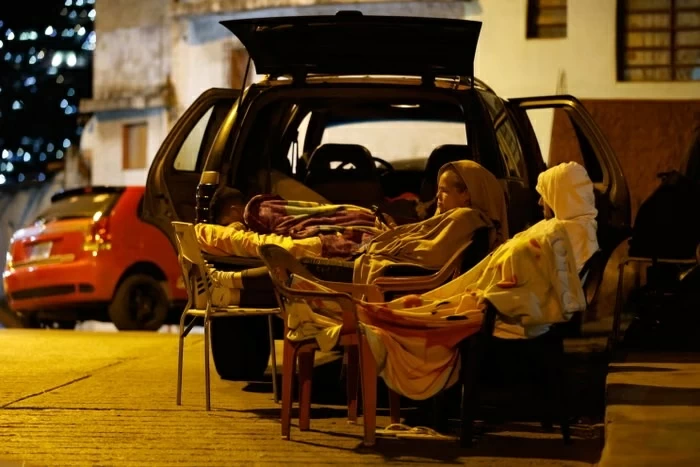
وتحولت مدينة كاتيا لا مار الساحلية داخل ولاية لا غوايرا إلى واحدة من أكثر المناطق تضررًا، حيث انقطعت الكهرباء عن أجزاء واسعة منها، واضطر كثير من السكان إلى قضاء الليل في الشوارع أو البحث بين الأنقاض عن ذويهم.
وعلى الصعيد الدولي، توالت رسائل التضامن والعروض الإنسانية لدعم فنزويلا، إذ أعلنت دول عدة استعدادها للمشاركة في جهود الإغاثة؛ من بينها الولايات المتحدة وإسبانيا وألمانيا والصين والبرازيل والإكوادور.
كما أعلن الاتحاد الأوروبي تفعيل برنامج (كوبرنيكوس) للأقمار الصناعية لدعم جهود الاستجابة وتقييم الأضرار والمساعدة في الحد من الخسائر.
وفي السياق ذاته، أعلنت ألمانيا استعدادها لتوفير ست طائرات نقل عسكرية من طراز (إيرباص A400M) للمساعدة في نقل الإمدادات الإنسانية وفرق الإنقاذ فور طلب الدعم رسميًا.
من جانبها، دعت الأمم المتحدة السلطات الفنزويلية إلى رفع القيود المفروضة على المواقع الإلكترونية ومنصات الاتصال، مؤكدة أن الوصول إلى المعلومات خلال الكوارث «قد يصبح مسألة حياة أو موت».
وتستمر عمليات البحث والإنقاذ في العاصمة كاراكاس والمناطق الساحلية المتضررة، بينما يقضي آلاف السكان ساعات طويلة خارج منازلهم خشية وقوع هزات ارتدادية جديدة.
The death toll from the two violent earthquakes that struck Venezuela has risen to 164 dead and 971 injured, as search and rescue operations continue amid fears of an increase in casualties in the coming hours.
According to the interim president of the country, Delcy Rodríguez, the new figure represents a significant jump compared to the initial toll, which reported 32 deaths and around 700 injuries, as emergency teams continue to arrive in the affected areas.
Venezuela was hit by two earthquakes measuring 7.2 and 7.5 on the Richter scale, in one of the strongest seismic events the country has experienced in over a hundred years.
Rodríguez stated that authorities have begun redistributing rescue teams from different areas within the country to support operations in La Guaira state, located north of the capital Caracas, which is considered the most affected by the disaster.
She added, "Dozens of buildings have collapsed in the area, and we are currently conducting intensive rescue operations to save lives."
According to data from the United States Geological Survey, the 7.5 magnitude earthquake is the strongest to hit Venezuela since 1900, when the country recorded a 7.7 magnitude earthquake in the capital Caracas.
The coastal city of Catia La Mar in La Guaira state has become one of the most affected areas, with electricity cut off from large parts of it, and many residents were forced to spend the night in the streets or search through the rubble for their loved ones.
On the international front, messages of solidarity and humanitarian offers to support Venezuela have poured in, with several countries, including the United States, Spain, Germany, China, Brazil, and Ecuador, announcing their readiness to participate in relief efforts.
The European Union also announced the activation of the Copernicus satellite program to support response efforts, assess damages, and help mitigate losses.
In this context, Germany announced its readiness to provide six military transport aircraft of the Airbus A400M type to assist in transporting humanitarian supplies and rescue teams as soon as support is officially requested.
For its part, the United Nations urged Venezuelan authorities to lift restrictions on websites and communication platforms, emphasizing that access to information during disasters "can become a matter of life or death."
Search and rescue operations continue in the capital Caracas and the affected coastal areas, while thousands of residents spend long hours outside their homes for fear of new aftershocks.