تكشفت تفاصيل جديدة بشأن الهجوم الذي استهدف منشأة حيوية في جنوب غربي كولومبيا، بالتزامن مع بدء عهد الرئيس الجديد أبيلاردو دي لا إسبرييلا، وسط إصابة حارسين بجروح طفيفة وأضرار مادية كبيرة، فيما بدأت السلطات إجراءات أمنية مشددة لمواجهة الجماعات المسلحة.
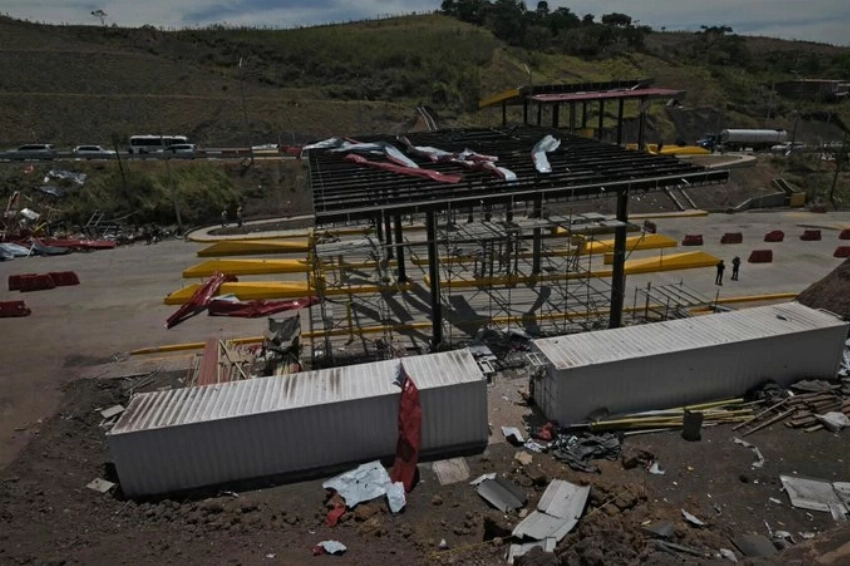
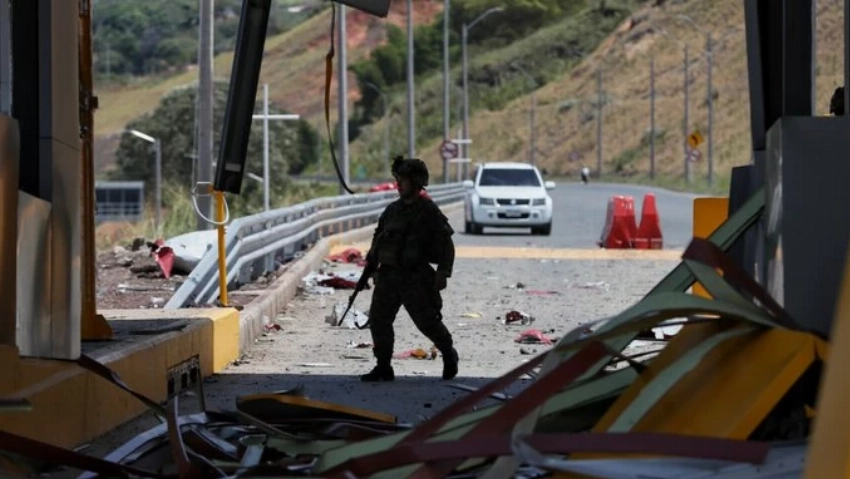
وأكد الجيش الكولومبي أن سيارة مفخخة انفجرت عند نقطة لتحصيل الرسوم على طريق باناميريكانا الرابط بين كالي وبوبايان، ما أدى إلى إصابة حارسين وإلحاق أضرار بالمنشأة ومناطق محيطة بها.
وقالت السلطات إن أحد الحارسين أفاد بأن السيارة تركها شخص فرّ من المكان على دراجة نارية قبل وقوع الانفجار.
واتهم الجيش فصيلين منشَقَّين عن القوات المسلحة الثورية الكولومبية (فارك) بالوقوف وراء الهجوم، وهما مجموعتان رفضتا اتفاق السلام الذي أبرمته الحكومة مع الحركة قبل نحو عقد، فيما لم تعلن أي جهة مسؤوليتها بشكل مباشر عن الهجوم حتى الآن.
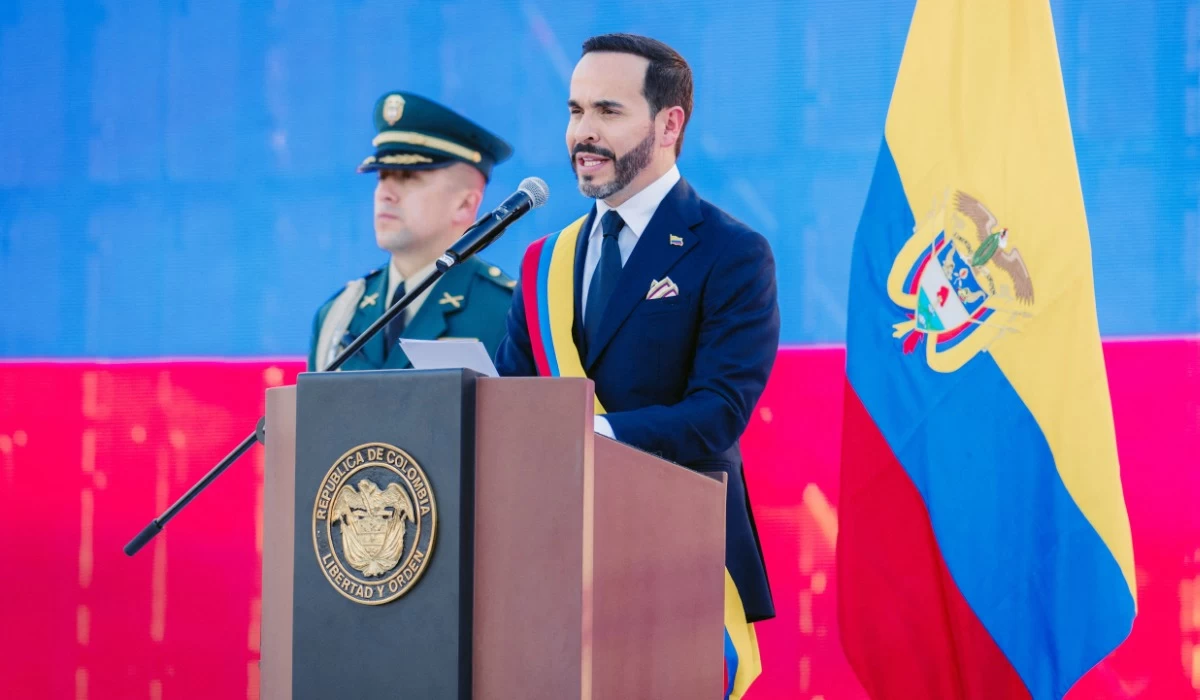
وجاء الهجوم بعد يوم واحد من تنصيب دي لا إسبرييلا رئيساً لكولومبيا في مدينة كالي، في وقت جعل فيه الرئيس الجديد الملف الأمني في مقدمة أولويات حكومته، متعهداً باتباع نهج أكثر تشدداً تجاه الجماعات المسلحة وشبكات الجريمة المنظمة، وإنهاء سياسة التفاوض التي اتبعها سلفه غوستافو بيترو مع عدد من الفصائل المسلحة.
وفي أحدث تحرك أمني للرئيس الجديد، أمر دي لا إسبرييلا بنقل 117 سجيناً مرتبطين بمسارات التفاوض السابقة إلى سجون شديدة الحراسة في أنحاء البلاد، في خطوة قال إنها تهدف إلى منع السجناء المرتبطين بالجماعات المسلحة من مواصلة إدارة أنشطة إجرامية من داخل السجون.
وتعكس الخطوة توجه الحكومة الجديدة إلى تشديد الإجراءات ضد الجماعات المسلحة منذ الساعات الأولى لتوليها السلطة، فيما يواجه دي لا إسبرييلا واقعاً أمنياً معقداً في مناطق عدة من البلاد، مع استمرار نشاط فصائل منشقة عن «فارك» وجماعات مسلحة أخرى.
وتأتي التطورات في وقت يسعى فيه الرئيس الجديد إلى الانتقال من سياسة «السلام الشامل» التي تبناها بيترو إلى استراتيجية تقوم على الضغط العسكري والأمني، وهو تحول يثير مخاوف من تصعيد جديد في الصراع المسلح، خصوصاً في المناطق التي تتنافس فيها الجماعات على السيطرة على طرق تهريب المخدرات والأراضي والنفوذ المحلي.
وبينما تواصل السلطات التحقيق في ملابسات التفجير وتحديد المسؤولين عنه، تضع الواقعة الحكومة الجديدة أمام أول اختبار أمني مبكر، في وقت تحاول فيه إثبات قدرتها على فرض سيطرة الدولة والحد من نفوذ الجماعات المسلحة في أنحاء كولومبيا.
New details have emerged regarding the attack that targeted a vital facility in southwestern Colombia, coinciding with the beginning of the new president Abelardo de la Espriella's term, amid the injury of two guards with minor wounds and significant material damage, while authorities have begun strict security measures to confront armed groups.
The Colombian army confirmed that a car bomb exploded at a toll point on the Pan-American highway linking Cali and Popayán, resulting in injuries to the guards and damage to the facility and surrounding areas.
Authorities stated that one of the guards reported that the car was left by a person who fled the scene on a motorcycle before the explosion occurred.
The army accused two factions that split from the Revolutionary Armed Forces of Colombia (FARC) of being behind the attack, both of which rejected the peace agreement that the government signed with the movement nearly a decade ago, while no group has claimed responsibility for the attack directly so far.
The attack came one day after de la Espriella was inaugurated as president of Colombia in the city of Cali, at a time when the new president has made security issues a top priority for his government, pledging to adopt a more hardline approach towards armed groups and organized crime networks, and to end the negotiation policy that his predecessor Gustavo Petro followed with several armed factions.
In the latest security move by the new president, de la Espriella ordered the transfer of 117 prisoners linked to previous negotiation tracks to high-security prisons across the country, in a step he said aims to prevent prisoners associated with armed groups from continuing to manage criminal activities from within prisons.
This move reflects the new government's direction to tighten measures against armed groups from the very first hours of taking power, while de la Espriella faces a complex security reality in several regions of the country, with the continued activity of factions that have split from FARC and other armed groups.
The developments come at a time when the new president seeks to shift from the "comprehensive peace" policy adopted by Petro to a strategy based on military and security pressure, a shift that raises fears of a new escalation in the armed conflict, especially in areas where groups compete for control over drug trafficking routes, land, and local influence.
While authorities continue to investigate the circumstances of the explosion and identify those responsible, the incident presents the new government with its first early security test, as it attempts to prove its ability to impose state control and limit the influence of armed groups across Colombia.