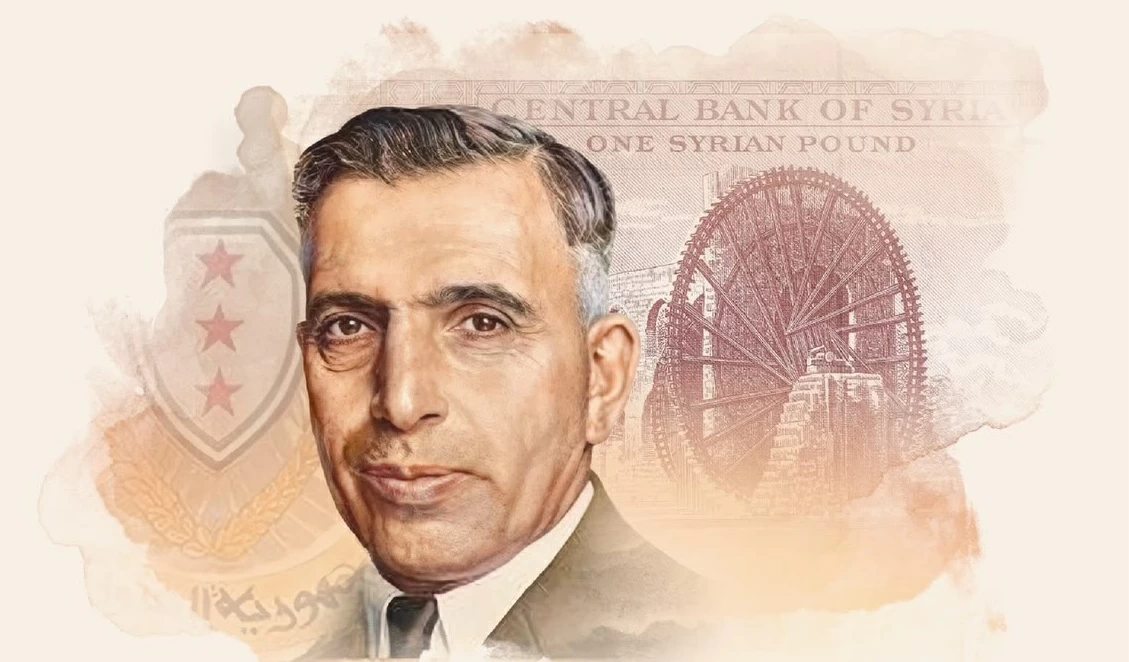
بعد أكثر من 6 عقود على اغتيال الرئيس السوري السابق أديب الشيشكلي في منفاه بالبرازيل، تعود سيرته إلى الواجهة من بوابة وثائق قضائية وتاريخية تُنشر للمرة الأولى، في الطبعة الثانية المزيدة والمنقحة من كتاب «أديب الشيشكلي.. الحقيقة المغيبة» لمؤلفيه بسام برازي وسعد فنصة، الصادرة عن دار رياض الريّس للكتب والنشر في بيروت، في 575 صفحة تتخللها صور ووثائق وشهادات جديدة.
ولا تكتفي الطبعة الجديدة بإعادة قراءة السنوات التي كان فيها الشيشكلي الرجل الأقوى في سورية، بل تفتح الملف الأكثر غموضاً في نهاية حياته: اغتياله في البرازيل في 27 سبتمبر 1964، والمحاكمة التي أعقبت الجريمة، وما دار فيها من شهادات ومرافعات واتهامات متبادلة.
ويحاول المؤلفان، من خلال الوثائق التي جمعاها، تقديم روايتهما لحقبة الشيشكلي وموقعه في سلسلة الانقلابات والصراعات التي عاشتها سورية بعد الاستقلال، ومناقشة الصورة التي ترسخت عنه في عدد من الكتب والروايات التاريخية.
من «ثغرة» في الطبعة الأولى إلى 1200 صفحة قضائية
يكشف بسام برازي في مقدمة الطبعة الثانية أن صدور النسخة الأولى عام 2020 وما أثارته من نقاش دفع المؤلفين إلى مراجعة ما أنجزاه، ليكتشفا أن أهم حادثة في نهاية سيرة الشيشكلي، وهي اغتياله، لم تحظ بالتوثيق الذي أراداه.
فالمحاكمة التي جرت في البرازيل للمتهم بقتل الشيشكلي ومن شاركوا في التخطيط للجريمة كانت لها وثائقها وشهاداتها ومرافعاتها، لكن أياً منها لم يكن حاضراً في الطبعة الأولى.
ومن هنا بدأت رحلة بحث شاقة عن ملف قضائي مضى عليه نحو 60 عاماً، وسط مخاوف من أن تكون وثائقه قد فقدت أو أتلفت.
لكن المفاجأة، وفق برازي، كانت العثور على ملف المحاكمة في البرازيل وإنقاذه من إتلاف كان وشيكاً، قبل أن يعمد مسؤولو المحكمة إلى رقمنته وأرشفته، وحفظ الملف الورقي الأصلي في متحف المحكمة، وتسليم الباحثين نسخة منه.
من البرتغالية إلى الإنجليزية
لم تكن استعادة الملف نهاية المهمة؛ إذ تجاوزت وثائقه 1200 صفحة باللغة البرتغالية، ما دفع المؤلفين إلى الاستعانة بجهة متخصصة في الترجمة ولديها دراية بالمصطلحات القانونية لترجمته إلى الإنجليزية.
وأضيفت إلى الوثائق مقابلة أجرتها صحيفة «Correio Braziliense» البرازيلية مع تامر بسام البرازي، الذي تابع عملية الحصول على ملف المحاكمة، فضلاً عن مادة صحفية تناولت الجريمة والإجراءات القضائية التي أعقبتها.
وتكشف الوثائق، بحسب ما يورده الكتاب، تفاصيل دفاع محامي المتهم بالقتل، والمرافعات التي قُدمت أمام القضاء، والجدل الذي أحاط بصورة الشيشكلي وأحداث جبل الدروز، فضلاً عن الظروف التي قادت إلى نقل المحاكمة من البلدة التي شهدت الجريمة إلى مكان آخر.
اغتيال في المنفى.. ومحاكمة تعود من الأرشيف
اغتيل الشيشكلي، المولود في حماة عام 1909، في ولاية غوياس البرازيلية في سبتمبر 1964، بعد نحو عقد من خروجه من سورية وابتعاده عن السلطة.
وتعيد الطبعة الجديدة بناء جوانب من القضية اعتماداً على ملف المحكمة، بما يتضمنه من شهادات ومرافعات ودفوع قانونية، وتعرض رواية المؤلفين بشأن دوافع الجريمة والجهات والشخصيات المرتبطة بها.
ولا يتوقف الملف، وفق الكتاب، عند تفاصيل الاغتيال، بل يتوسع إلى أحداث جبل الدروز في خمسينات القرن الماضي، مستنداً إلى تقارير ووثائق تحمل أسماء مسؤولين عاصروا الأحداث، من بينهم قائد درك السويداء عادل البغدادي ومحافظ السويداء رفعت زريق.
ويجادل المؤلفان بأن هذه الوثائق تقدم أرقاماً وروايات تختلف بصورة كبيرة عن تلك التي طرحتها هيئة الدفاع خلال المحاكمة بشأن ضحايا الأحداث، معتبرين أنها تتيح إعادة مناقشة مسؤوليات الأطراف المتورطة. وتظل هذه الاستنتاجات جزءاً من قراءة المؤلفين للوثائق ولتلك المرحلة التاريخية الجدلية.
نحو 2000 وثيقة.. ماذا كان يجري خلف الكواليس؟
تتجاوز مادة الكتاب وثائق المحاكمة البرازيلية إلى نحو ألفي وثيقة من محفوظات وزارات خارجية الولايات المتحدة وفرنسا وبريطانيا، يقول المؤلفان إنها تتضمن معلومات لم يسبق نشرها عن سورية وصراعات النفوذ الإقليمي والدولي خلال سنوات الشيشكلي.
ويستعيد الكتاب مسيرة الرجل منذ كان عقيداً في الجيش السوري، مروراً بانقلابه في 19 ديسمبر 1949، وصولاً إلى تحوله إلى صاحب النفوذ الأكبر في البلاد، ثم توليه رئاسة الجمهورية عام 1953 وخروجه من السلطة في العام التالي.
وفي قلب هذه السيرة، يعيد المؤلفان طرح السؤال الذي رافق اسم الشيشكلي لعقود: هل كان ديكتاتوراً استولى على السلطة بالقوة، أم قائداً عسكرياً براغماتياً دفعته ظروف الصراع السياسي والعسكري إلى حكم فردي؟
ويضيفان إليه سؤالاً آخر يتعلق بنهاية الرجل: هل كان اغتياله في منفاه، بعد نحو 10 سنوات من خروجه من السلطة، امتداداً لصراعات مرحلة لم تنتهِ آثارها بخروجه من سورية؟
شخصية إشكالية.. وسيرة لم يكتبها صاحبها
تزداد صعوبة رسم صورة نهائية للشيشكلي لأنه لم يترك مذكرات شخصية تروي تجربته، إذ اغتيل في الرابعة والخمسين من عمره، وبقيت أجزاء من سيرته موزعة بين كتب السياسيين والعسكريين ووثائق الدول وتقارير تلك المرحلة.
ويقر برازي، وهو ابن شقيقة الشيشكلي، بأن الشخصية التي يتناولها الكتاب «إشكالية»، لكنه يرى أن كثيراً مما كتب عنها لم يكن منصفاً، وأن أحداث تلك المرحلة تعرضت، وفق رؤيته، لتفسيرات متباينة رسمت صورة الشيشكلي بوصفه حاكماً لا يتردد في استخدام القوة للبقاء في السلطة.
ومن هذا المنطلق لا يخفي الكتاب سعيه إلى إعادة قراءة الرجل وإنصافه من وجهة نظر مؤلفيه، مستنداً إلى الوثائق والشهادات التي جمعاها.
انقلاب 1949.. صراع داخلي أم نفوذ دولي؟
يضع الكتاب انقلاب الشيشكلي في ديسمبر 1949 ضمن شبكة أوسع من التنافس الداخلي والإقليمي والدولي. ويربط المؤلفان تحركه بمعارضته التوجه نحو مشروع وحدة سورية مع العراق الملكي، وبالصراع بين النفوذين البريطاني والأمريكي في المنطقة.
وبحسب الرواية التي يقدمها الكتاب، كان الشيشكلي يخشى اندفاع قائد الانقلاب السابق سامي الحناوي، بالتعاون مع حزب الشعب، نحو ربط سورية بالنظام الملكي الهاشمي في العراق.
كما يناقش الكتاب علاقات الشيشكلي بالولايات المتحدة في عهد الرئيس دوايت أيزنهاور ووزير خارجيته جون فوستر دالاس، والخلافات التي ظهرت لاحقاً بشأن قضايا المنطقة، وفي مقدمتها إسرائيل والترتيبات الدفاعية الأمريكية في الشرق الأوسط.
وينقل المؤلفان عن الشيشكلي خلال لقائه دالاس عام 1953 رؤية مفادها أنه كان يدرك استحالة هزيمة إسرائيل عسكرياً في تلك الظروف، ويرى في المقابل إمكانية مواجهتها اقتصادياً.
لماذا غادر سورية دون قتال؟
إحدى النقاط المركزية التي يركز عليها الكتاب تتعلق بخروج الشيشكلي من السلطة عام 1954. فوفق رواية المؤلفين، كان يمتلك وحدات عسكرية قادرة على الدخول في مواجهة مع خصومه، لكنه اختار الاستقالة ومغادرة البلاد لتجنب صدام داخل الجيش قد يتحول إلى حرب أهلية.
ويستشهد الكتاب بوثيقة فرنسية مؤرخة في 27 فبراير 1954، تتناول دور الرئيس اللبناني آنذاك كميل شمعون في الأزمة السورية، ومغادرة الشيشكلي إلى السعودية على متن طائرة أرسلها إليه الملك سعود بن عبدالعزيز، بحسب ما تنقله الوثيقة.
وهذه اللحظة تمثل، في قراءة المؤلفين، مفتاحاً أساسياً لفهم الشخصية: رجل وصل إلى الحكم بانقلاب عسكري، لكنه غادره عندما رأى أن الاحتفاظ بالسلطة قد يقود إلى مواجهة دامية.
الاقتصاد في عهد الشيشكلي
ويخصص الكتاب مساحة للسياسات الاقتصادية خلال حكم الشيشكلي، إذ يشير إلى اهتمامه بتشجيع الاستثمار وتنظيمه، وإعادة الموازنة العامة إلى دائرة النقاش، وتشجيع الصناعة المحلية وزيادة الإنتاج ومواجهة الاحتكار.
كما يتناول تأثره بأفكار الخبير الاقتصادي والمصرفي الألماني يالمار شاخت، وانعكاس ذلك، بحسب المؤلفين، على مشاريع زراعية وصناعية، مستفيداً من خلفيته الدراسية في المدرسة الزراعية بمدينة السلمية.
ويذهب الكتاب إلى أن سورية حققت خلال تلك المرحلة تقدماً في عدد من المؤشرات الاقتصادية والتنموية مقارنة بدول نامية أخرى، مستعرضاً شهادات وروايات يستخدمها المؤلفان للدفاع عن رؤيتهما لتجربة الشيشكلي في الحكم.
«الحقيقة المغيبة».. وثائق تفتح النقاش ولا تغلقه
الطبعة الجديدة من «أديب الشيشكلي.. الحقيقة المغيبة» لا تقدم نفسها مجرد سيرة لرئيس سوري سابق بقدر ما تحاول إعادة فتح ملف مرحلة كاملة من التاريخ السوري: الانقلابات العسكرية، والتدخلات الخارجية، وأحداث جبل الدروز، والصراع على هوية الدولة واتجاهاتها، وصولاً إلى خروج الشيشكلي من الحكم واغتياله بعد سنوات في البرازيل.
والإضافة الأبرز هذه المرة تتمثل في انتقال الكتاب من البحث في حياة الشيشكلي وحكمه إلى أرشيف مقتله ومحاكمة قاتله؛ إذ أعادت وثائق قضائية كادت أن تتلف قضية عمرها أكثر من نصف قرن إلى طاولة البحث التاريخي.
وبين صورة «الديكتاتور» التي رسختها روايات خصومه، وصورة «القائد الذي ظُلم تاريخياً» التي يدافع عنها مؤلفا الكتاب، تظل الوثائق الجديدة مادة مفتوحة للباحثين والمؤرخين، وربما تعيد إشعال الجدل حول أديب الشيشكلي أكثر مما تحسمه.
More than 6 decades after the assassination of former Syrian President Adib al-Shishakli in his exile in Brazil, his story returns to the forefront through judicial and historical documents published for the first time, in the second, expanded and revised edition of the book "Adib al-Shishakli... The Hidden Truth" by authors Bassam Brazi and Saad Fannasa, published by Dar Riyad al-Rayyes for Books and Publishing in Beirut, in 575 pages interspersed with new photos, documents, and testimonies.
The new edition does not merely revisit the years when al-Shishakli was the most powerful man in Syria, but also opens the most mysterious file at the end of his life: his assassination in Brazil on September 27, 1964, and the trial that followed the crime, including the testimonies, pleadings, and mutual accusations that took place.
The authors attempt, through the documents they have collected, to present their narrative of the al-Shishakli era and his position in the series of coups and conflicts that Syria experienced after independence, and to discuss the image that has been established about him in several historical books and narratives.
From a "gap" in the first edition to 1200 judicial pages
Bassam Brazi reveals in the introduction to the second edition that the release of the first edition in 2020 and the discussions it sparked prompted the authors to review what they had accomplished, discovering that the most significant incident at the end of al-Shishakli's career, namely his assassination, did not receive the documentation they had hoped for.
The trial that took place in Brazil for the accused of killing al-Shishakli and those who participated in planning the crime had its documents, testimonies, and pleadings, but none of this was present in the first edition.
Thus began a challenging search for a judicial file that had been around for nearly 60 years, amid fears that its documents might have been lost or destroyed.
However, the surprise, according to Brazi, was finding the trial file in Brazil and saving it from imminent destruction, before court officials digitized and archived it, preserving the original paper file in the court museum and providing researchers with a copy.
From Portuguese to English
Recovering the file was not the end of the task; its documents exceeded 1200 pages in Portuguese, prompting the authors to enlist a specialized translation agency familiar with legal terminology to translate it into English.
Additionally, an interview conducted by the Brazilian newspaper "Correio Braziliense" with Tamer Bassam al-Brazi, who followed the process of obtaining the trial file, was added to the documents, along with journalistic material that addressed the crime and the judicial procedures that followed it.
The documents reveal, according to the book, details of the defense by the lawyer of the accused of murder, the pleadings presented before the judiciary, and the controversy surrounding the image of al-Shishakli and the events in the Druze Mountain, as well as the circumstances that led to the transfer of the trial from the town where the crime occurred to another location.
Assassination in Exile... A Trial Returns from the Archive
Al-Shishakli, born in Hama in 1909, was assassinated in the Brazilian state of Goiás in September 1964, about a decade after leaving Syria and distancing himself from power.
The new edition reconstructs aspects of the case based on the court file, including testimonies, pleadings, and legal defenses, and presents the authors' narrative regarding the motives behind the crime and the parties and figures associated with it.
According to the book, the file does not stop at the details of the assassination but expands to the events in the Druze Mountain in the 1950s, relying on reports and documents bearing the names of officials who witnessed the events, including the head of the police in Sweida, Adel al-Baghdadi, and the governor of Sweida, Rifaat Zreik.
The authors argue that these documents provide figures and narratives that differ significantly from those presented by the defense during the trial regarding the victims of the events, considering that they allow for a re-examination of the responsibilities of the involved parties. These conclusions remain part of the authors' reading of the documents and that contentious historical period.
About 2000 Documents... What Was Happening Behind the Scenes?
The book's material extends beyond the Brazilian trial documents to about two thousand documents from the archives of the foreign ministries of the United States, France, and Britain, which the authors claim contain previously unpublished information about Syria and the regional and international power struggles during al-Shishakli's years.
The book retraces the man's journey from being a colonel in the Syrian army, through his coup on December 19, 1949, to becoming the most influential figure in the country, then assuming the presidency in 1953 and leaving power the following year.
At the heart of this narrative, the authors reintroduce the question that has accompanied al-Shishakli's name for decades: Was he a dictator who seized power by force, or a pragmatic military leader driven by the circumstances of political and military conflict to rule autocratically?
They add another question regarding the man's end: Was his assassination in exile, nearly 10 years after leaving power, an extension of conflicts from a phase whose effects did not end with his departure from Syria?
A Problematic Figure... A Biography Not Written by Its Owner
It becomes increasingly difficult to draw a definitive picture of al-Shishakli because he did not leave behind personal memoirs recounting his experience, as he was assassinated at the age of fifty-four, and parts of his biography remain scattered among the writings of politicians, military figures, state documents, and reports from that era.
Brazi, who is al-Shishakli's nephew, acknowledges that the figure discussed in the book is "problematic," but he believes that much of what has been written about him has not been fair, and that the events of that period have been subject, in his view, to varying interpretations that painted al-Shishakli as a ruler who does not hesitate to use force to remain in power.
From this standpoint, the book does not hide its aim to re-read the man and to do justice to him from the perspective of its authors, based on the documents and testimonies they have collected.
The 1949 Coup... Internal Struggle or International Influence?
The book places al-Shishakli's coup in December 1949 within a broader network of internal, regional, and international competition. The authors link his move to his opposition to the trend towards a project of unity between Syria and the Hashemite monarchy in Iraq, and to the struggle between British and American influence in the region.
According to the narrative presented in the book, al-Shishakli feared the advance of the previous coup leader, Sami al-Hinnawi, in cooperation with the People's Party, towards linking Syria with the Hashemite monarchy in Iraq.
The book also discusses al-Shishakli's relations with the United States during the presidency of Dwight Eisenhower and his Secretary of State John Foster Dulles, and the disagreements that later arose regarding regional issues, primarily Israel and American defense arrangements in the Middle East.
The authors quote al-Shishakli during his meeting with Dulles in 1953, expressing the view that he was aware of the impossibility of defeating Israel militarily under those circumstances, while seeing the possibility of confronting it economically.
Why Did He Leave Syria Without Fighting?
One of the central points the book focuses on relates to al-Shishakli's exit from power in 1954. According to the authors' narrative, he had military units capable of engaging in confrontation with his opponents, but he chose to resign and leave the country to avoid a clash within the army that could escalate into a civil war.
The book cites a French document dated February 27, 1954, discussing the role of then-Lebanese President Camille Chamoun in the Syrian crisis, and al-Shishakli's departure to Saudi Arabia on a plane sent to him by King Saud bin Abdulaziz, according to the document.
This moment represents, in the authors' reading, a key to understanding the character: a man who came to power through a military coup but left it when he saw that retaining power could lead to a bloody confrontation.
The Economy During al-Shishakli's Rule
The book allocates space to economic policies during al-Shishakli's rule, noting his interest in encouraging and organizing investment, bringing the public budget back into discussion, promoting local industry, increasing production, and combating monopolies.
It also discusses his influence by the ideas of the German economist and banker Hjalmar Schacht, and the reflection of that, according to the authors, on agricultural and industrial projects, benefiting from his educational background in the agricultural school in the town of Salamiya.
The book argues that Syria achieved progress during that period in several economic and developmental indicators compared to other developing countries, presenting testimonies and narratives that the authors use to defend their vision of al-Shishakli's experience in governance.
"The Hidden Truth"... Documents That Open Discussion, Not Close It
The new edition of "Adib al-Shishakli... The Hidden Truth" does not present itself merely as a biography of a former Syrian president but rather attempts to reopen the file of an entire phase of Syrian history: military coups, foreign interventions, the events in the Druze Mountain, and the struggle over the identity and directions of the state, culminating in al-Shishakli's exit from power and his assassination years later in Brazil.
The most significant addition this time is the book's transition from researching al-Shishakli's life and rule to the archive of his murder and the trial of his killer; judicial documents that were nearly destroyed have returned a case over half a century old to the table of historical research.
Between the image of the "dictator" established by the narratives of his opponents and the image of the "leader who was historically wronged" defended by the authors of the book, the new documents remain open material for researchers and historians, and may reignite the debate about Adib al-Shishakli more than they resolve it.