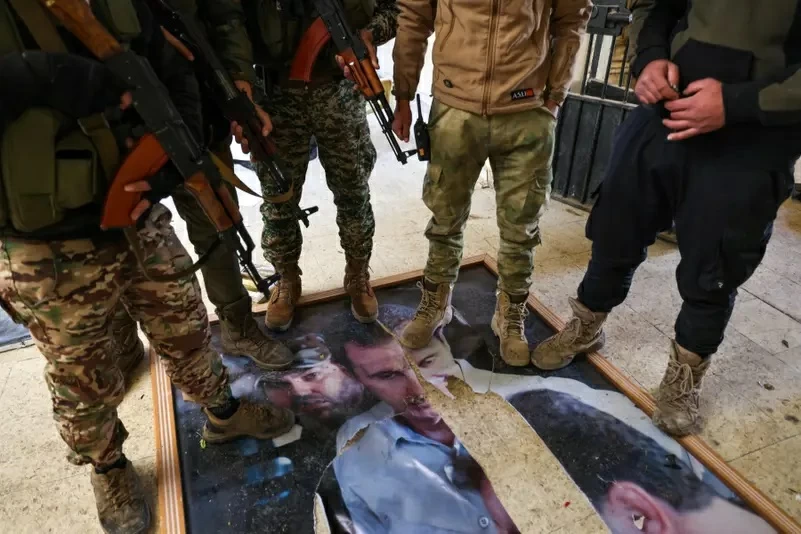
في تطور دراماتيكي يعكس مخرجات زيارة رئيس الحكومة اللبنانية نواف سلام إلى دمشق، فُتح ملف «فلول النظام السوري السابق» على مصراعيه. وبينما تتجه الأنظار نحو ترتيبات سياسية جديدة، تكشفت معلومات أمنية حول وجود نحو 200 ضابط من بقايا الجهاز الأمني والعسكري لنظام الأسد يتمركزون في مناطق حساسة داخل لبنان، وسط رقابة مشددة من الأجهزة الاستخباراتية.
خريطة الانتشار.. أين يختبئ الضباط؟
تفيد المعلومات المتقاطعة بأن هؤلاء الضباط دخلوا لبنان عبر «معابر غير شرعية» من جهة البقاع والشمال عقب سقوط نظام بشار الأسد في دمشق. وتتركز نقاط تواجدهم الحالية في مناطق نفوذ حلفائهم التقليديين، وتحديداً في:
- الشمال: منطقة «جبل محسن» وبلدات عكار الحدودية مثل «حكر الضاهري» و«تل بيري».
- البقاع: قرى تابعة لمحافظة بعلبك-الهرمل، حيث يتمتع حلفاؤهم بنفوذ واسع.
وأكد رئيس الحكومة نواف سلام بوضوح أن لبنان لن يسمح لهؤلاء الضباط باستخدام أراضيه كمنصة للإساءة إلى دمشق أو تنظيم أي تحرك سياسي أو عسكري ضدها. وبحسب مصادر رفيعة، فإن هذا الملف كان «طبقاً رئيسياً» في المحادثات اللبنانية السورية، حيث جرى الاتفاق على إعداد اتفاقية تسليم رسمية تشرف عليها وزارتا العدل والداخلية في كلا البلدين.
ولضمان سياق قانوني يتماشى مع الالتزامات الدولية، برز مقترح تفعيل الاتفاقية القضائية لعام 1951 المنظمة لتبادل السجناء والمطلوبين بين بيروت ودمشق. وبموجب هذا الإطار، يمكن للقضاء السوري طلب تسليم أشخاص محددين بالأسماء والهوية بتهم جنائية، ما يرفع الحرج السياسي عن الدولة اللبنانية ويحول الملف إلى إجراء قضائي بحت.
مخاوف من «تحرك عسكري»
التحرك اللبناني السريع يأتي بعد تقارير استخباراتية حذرت من محاولات لترميم «بقايا العسكر» بهدف زعزعة الاستقرار في سوريا انطلاقاً من العمق اللبناني. ومن هنا، وُضعت «قائمة الـ 200» تحت المراقبة اللصيقة بانتظار استكمال الإجراءات القانونية لإقفال هذا الملف نهائياً.
هل ينجح لبنان في تسليم «الفلول» دون إثارة توترات في مناطق تواجدهم؟ الأيام القادمة ستحسم مصير الضباط الذين اعتقدوا أن حدود لبنان ستكون ملاذاً آمناً للأبد.
In a dramatic development reflecting the outcomes of Lebanese Prime Minister Nawaf Salam's visit to Damascus, the file of "remnants of the previous Syrian regime" has been opened wide. While attention is turning towards new political arrangements, security information has emerged regarding the presence of around 200 officers from the remnants of Assad's security and military apparatus stationed in sensitive areas within Lebanon, under tight surveillance from intelligence agencies.
Deployment Map.. Where Are the Officers Hiding?
Cross-referenced information indicates that these officers entered Lebanon through "illegal crossings" from the Bekaa and the north following the fall of Bashar al-Assad's regime in Damascus. Their current points of presence are concentrated in areas of influence of their traditional allies, specifically in:
- North: The "Jabal Mohsen" area and border towns in Akkar such as "Hakar al-Dahri" and "Tal Biri".
- Bekaa: Villages belonging to the Baalbek-Hermel governorate, where their allies enjoy wide influence.
Prime Minister Nawaf Salam clearly stated that Lebanon will not allow these officers to use its territory as a platform to harm Damascus or organize any political or military movement against it. According to high-level sources, this file was a "main dish" in the Lebanese-Syrian talks, where an agreement was reached to prepare an official extradition treaty overseen by the ministries of justice and interior in both countries.
To ensure a legal context that aligns with international obligations, a proposal to activate the 1951 judicial agreement regulating the exchange of prisoners and wanted persons between Beirut and Damascus has emerged. Under this framework, the Syrian judiciary can request the extradition of specific individuals by name and identity on criminal charges, which alleviates the political burden on the Lebanese state and transforms the file into a purely judicial procedure.
Concerns About "Military Action"
The swift Lebanese action comes after intelligence reports warned of attempts to restore the "remnants of the military" with the aim of destabilizing Syria from deep within Lebanon. Hence, the "List of 200" has been placed under close surveillance pending the completion of legal procedures to close this file permanently.
Will Lebanon succeed in extraditing the "remnants" without provoking tensions in their areas of presence? The coming days will determine the fate of the officers who believed that Lebanon's borders would be a safe haven forever.