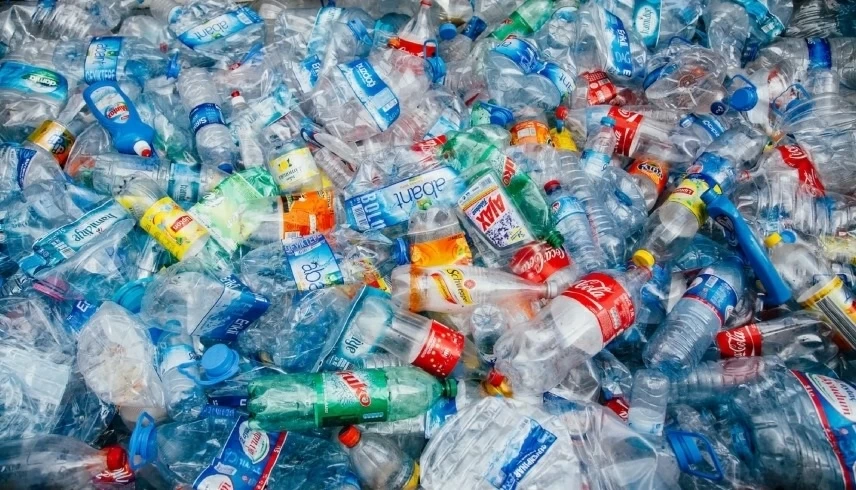
في ابتكار قد ينهي للأبد كابوس «التلوث البلاستيكي» ويفتح آفاقاً غير مسبوقة للطاقة النظيفة، نجح فريق علمي في تطوير مفاعل ثوري يعمل بالطاقة الشمسية، قادر على تحويل أكثر النفايات سمية وإزعاجاً إلى ما يشبه «الذهب السائل»: هيدروجين أخضر ومواد كيميائية عالية القيمة.
ضرب عصفورين بحجر واحد
المشكلة العالمية تكمن في إنتاج 400 مليون طن من البلاستيك سنوياً، لا يُعاد تدوير سوى 10% منها. ولهذا جاءت الفكرة العبقرية: بدلاً من محاولة التخلص من البلاستيك بطرق تقليدية مكلفة، لماذا لا يتم تحويله إلى وقود؟ المفاعل الجديد يجمع بين «أشعة الشمس» و«نفايات البلاستيك» لإنتاج الهيدروجين، وهو الوقود الذي يراه العالم خليفةً للنفط.
ولم يتوقف الابتكار عند البلاستيك فحسب، بل حقق العلماء قفزة في «الاقتصاد الدائري» باستخدام حمض الكبريتيك المستخرج من بطاريات السيارات المهملة. فبدلاً من استخدام مواد كيميائية باهظة الثمن، استغل الباحثون «سموم البطاريات» لتفكيك مسحوق البلاستيك وتحويله إلى طاقة، ما يمنح حياة ثانية لأخطر أنواع النفايات.
نتائج مذهلة تتجاوز التوقعات
الدراسة التي نُشرت في مجلة Joule المرموقة أكدت أن هذه العملية لا تنتج الهيدروجين فحسب، بل تولد أيضاً حمض الأسيتيك (المستخدم في الصناعات الكيميائية) ومركبات تدخل في صناعة الأدوية. والمفاجأة الكبرى كانت في خفض البصمة الكربونية للعملية بنسبة 50% مقارنة بأي طريقة تقليدية أخرى.
ويؤكد الباحثون أن الخطوة القادمة هي تطوير مفاعلات ضخمة للإنتاج المستمر، لنقل هذه التقنية من أروقة الجامعات إلى المصانع العالمية. وقد يحول هذا الابتكار «مكبات القمامة» في المستقبل القريب إلى «مناجم طاقة»، ويجعل من عبوة المياه البلاستيكية الفارغة مادة خاماً لإنتاج وقود الطائرات والسيارات.
In an innovation that could forever end the nightmare of "plastic pollution" and open unprecedented horizons for clean energy, a scientific team has succeeded in developing a revolutionary solar-powered reactor capable of converting the most toxic and bothersome waste into what resembles "liquid gold": green hydrogen and high-value chemicals.
Killing Two Birds with One Stone
The global problem lies in the production of 400 million tons of plastic annually, of which only 10% is recycled. This is where the brilliant idea came in: instead of trying to dispose of plastic through costly traditional methods, why not convert it into fuel? The new reactor combines "sunlight" and "plastic waste" to produce hydrogen, which the world sees as the successor to oil.
The innovation did not stop at plastic alone; scientists made a leap in the "circular economy" by using sulfuric acid extracted from discarded car batteries. Instead of using expensive chemicals, researchers exploited "battery toxins" to break down plastic powder and convert it into energy, giving a second life to the most dangerous types of waste.
Amazing Results Exceeding Expectations
The study published in the prestigious journal Joule confirmed that this process not only produces hydrogen but also generates acetic acid (used in chemical industries) and compounds used in pharmaceutical manufacturing. The biggest surprise was the reduction of the carbon footprint of the process by 50% compared to any other traditional method.
Researchers confirm that the next step is to develop large reactors for continuous production, to transfer this technology from university halls to global factories. This innovation could turn "landfills" in the near future into "energy mines," making empty plastic water bottles a raw material for producing fuel for airplanes and cars.