أكدت تحقيقات الأمم المتحدة وقوع أربع حالات استغلال وانتهاك جنسي ارتكبها أعضاء في البعثة الأمنية متعددة الجنسيات في هايتي خلال عام 2025، في تكرار مؤسف لفضائح سابقة هزت سمعة التدخلات الدولية.
ووفقاً لتقرير حصل عليه موقع «أييبو بوست» الهايتي، ونشرته وسائل إعلام دولية مثل رويترز، ثبتت صحة جميع الادعاءات الأربعة بعد تحقيقات أجراها مكتب المفوض السامي للأمم المتحدة لحقوق الإنسان، وأُحيلت نتائج التحقيق إلى قيادة القوة لاتخاذ الإجراءات المناسبة.
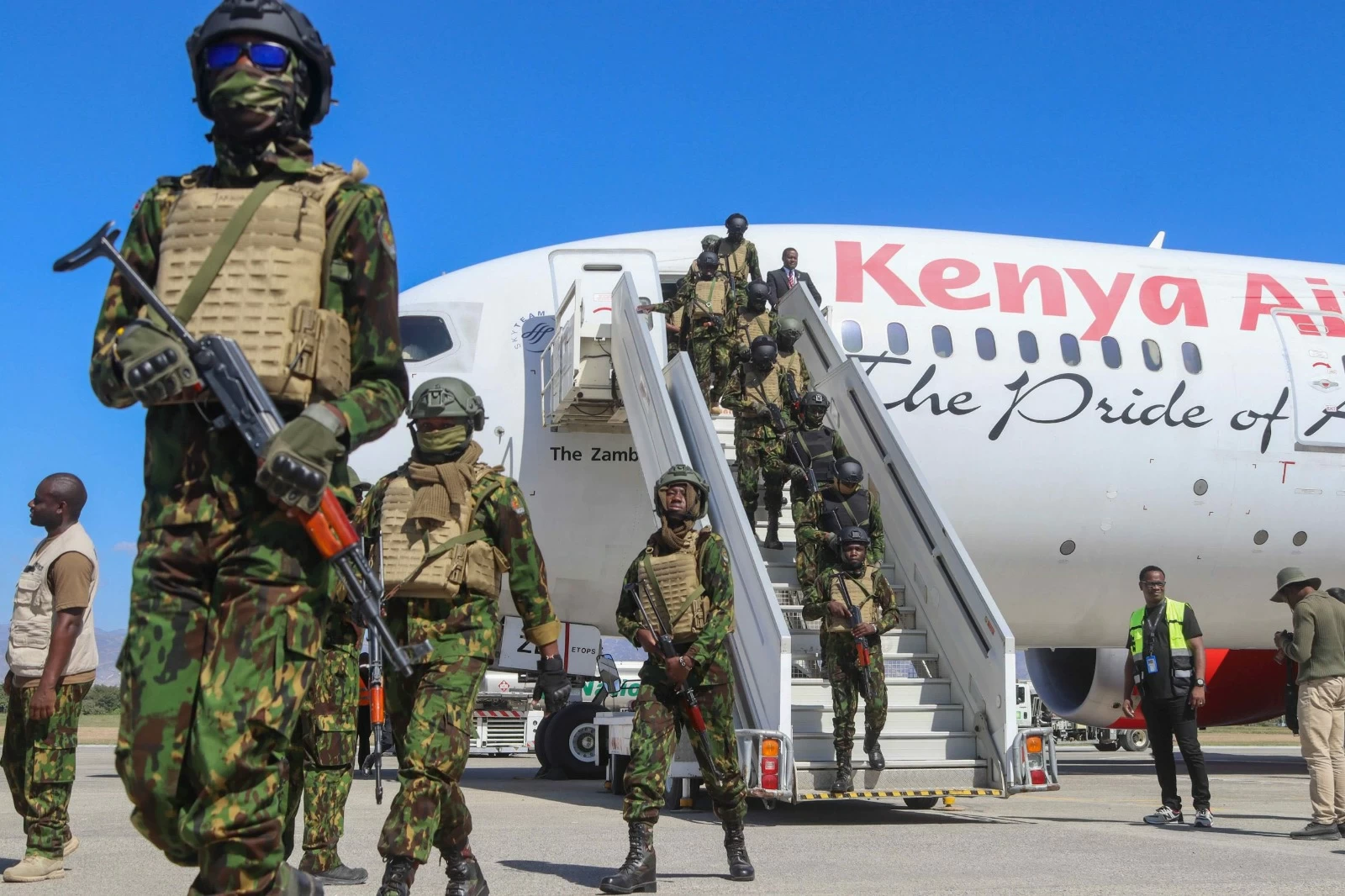
وتشكل عناصر الشرطة الكينية الجزء الأكبر من هذه البعثة، التي أُنشئت بتفويض من مجلس الأمن الدولي لمساعدة الشرطة الهايتية في مواجهة العصابات المسلحة التي تسيطر على أجزاء واسعة من العاصمة بورت أو برنس ومناطق أخرى، وفي وقت لاحق، تحولت البعثة إلى «قوة قمع العصابات».
وقالت المتحدثة باسم المفوضية السامية لحقوق الإنسان، مارتا هورتادو غوميز، إن الإجراءات اللاحقة تقع على عاتق قيادة القوة والدول المساهمة، نظراً لأن هذه العملية ليست بعثة حفظ سلام رسمية تابعة للأمم المتحدة.
وفي وقت سابق كشف تحقيق أجرته وكالة «أسوشيتد برس» أن ما لا يقل عن 134 من جنود حفظ السلام السريلانكيين أداروا شبكة دعارة للأطفال في هايتي بين عامي 2004 و2007، حيث وقع ضحية لهم تسعة أطفال على الأقل - أصغرهم يبلغ من العمر 12 عامًا فقط. وعلى الرغم من إعادة 114 من جنود حفظ السلام إلى ديارهم، إلا أنه لم تتم مقاضاة أي منهم.
وتأتي هذه الحالات في سياق تاريخي ثقيل خلال بعثة «مينوستاه» التي استمرت من 2004 إلى 2017، وثقت تقارير عديدة مئات الحالات المشابهة من الاستغلال الجنسي والاغتصاب، بما في ذلك تورط قاصرين.
ورغم إعادة بعض الجنود إلى بلدانهم، بقيت المحاسبة ضعيفة للغاية، ولم يُحاكم إلا عدد قليل جداً، وأصبح مصطلح «أطفال المينوستاه» يُطلق على عشرات الأطفال الذين تركهم جنود أجانب خلفهم، غالباً في ظروف معيشية صعبة.
وتعاني هايتي من أزمة أمنية حادة منذ سنوات، مع سيطرة العصابات المسلحة على نحو 80-90% من العاصمة، وارتكابها جرائم قتل وخطف واغتصاب جماعي كأداة للسيطرة، أدى ذلك إلى نزوح مئات الآلاف وانهيار شبه كامل للخدمات الأساسية.
وجاءت البعثة الكينية المدعومة أممياً كمحاولة لكسر هذه الحلقة، لكن نقص التمويل والعدد الكافي من العناصر والذي لم يصل إلى الـ2500 المخطط لها حد من فعاليتها، ومع ذلك، أثارت أي انتهاكات من قبل عناصرها مخاوف من تكرار أخطاء الماضي، مما قد يقوض الثقة المحلية في التدخل الدولي.
The United Nations investigations confirmed four cases of sexual exploitation and abuse committed by members of the multinational security mission in Haiti during 2025, in a regrettable repetition of previous scandals that shook the reputation of international interventions.
According to a report obtained by the Haitian website "Ayibo Post," which was published by international media such as Reuters, all four allegations were substantiated following investigations conducted by the Office of the United Nations High Commissioner for Human Rights, and the results of the investigation were referred to the mission's leadership for appropriate action.
Kenyan police officers make up the majority of this mission, which was established under a mandate from the United Nations Security Council to assist the Haitian police in confronting armed gangs that control large parts of the capital, Port-au-Prince, and other areas. Later, the mission was transformed into a "gang suppression force."
The spokesperson for the Office of the High Commissioner for Human Rights, Marta Hurtado Gomez, stated that subsequent actions fall under the responsibility of the mission's leadership and contributing countries, as this operation is not an official United Nations peacekeeping mission.
Earlier, an investigation by the Associated Press revealed that at least 134 Sri Lankan peacekeepers operated a child prostitution network in Haiti between 2004 and 2007, with at least nine children falling victim to them—the youngest being only 12 years old. Despite the repatriation of 114 peacekeepers, none were prosecuted.
These cases come in the context of a heavy historical backdrop during the "MINUSTAH" mission, which lasted from 2004 to 2017, with numerous reports documenting hundreds of similar cases of sexual exploitation and rape, including the involvement of minors.
Despite the repatriation of some soldiers to their home countries, accountability remained extremely weak, with only a very few being prosecuted, and the term "MINUSTAH children" has come to refer to dozens of children left behind by foreign soldiers, often in difficult living conditions.
Haiti has been suffering from a severe security crisis for years, with armed gangs controlling approximately 80-90% of the capital, committing murders, kidnappings, and mass rapes as tools of control, leading to the displacement of hundreds of thousands and a near-total collapse of essential services.
The UN-backed Kenyan mission came as an attempt to break this cycle, but a lack of funding and the insufficient number of personnel, which did not reach the planned 2,500, limited its effectiveness. Nevertheless, any violations by its members raised concerns about the repetition of past mistakes, which could undermine local trust in international intervention.