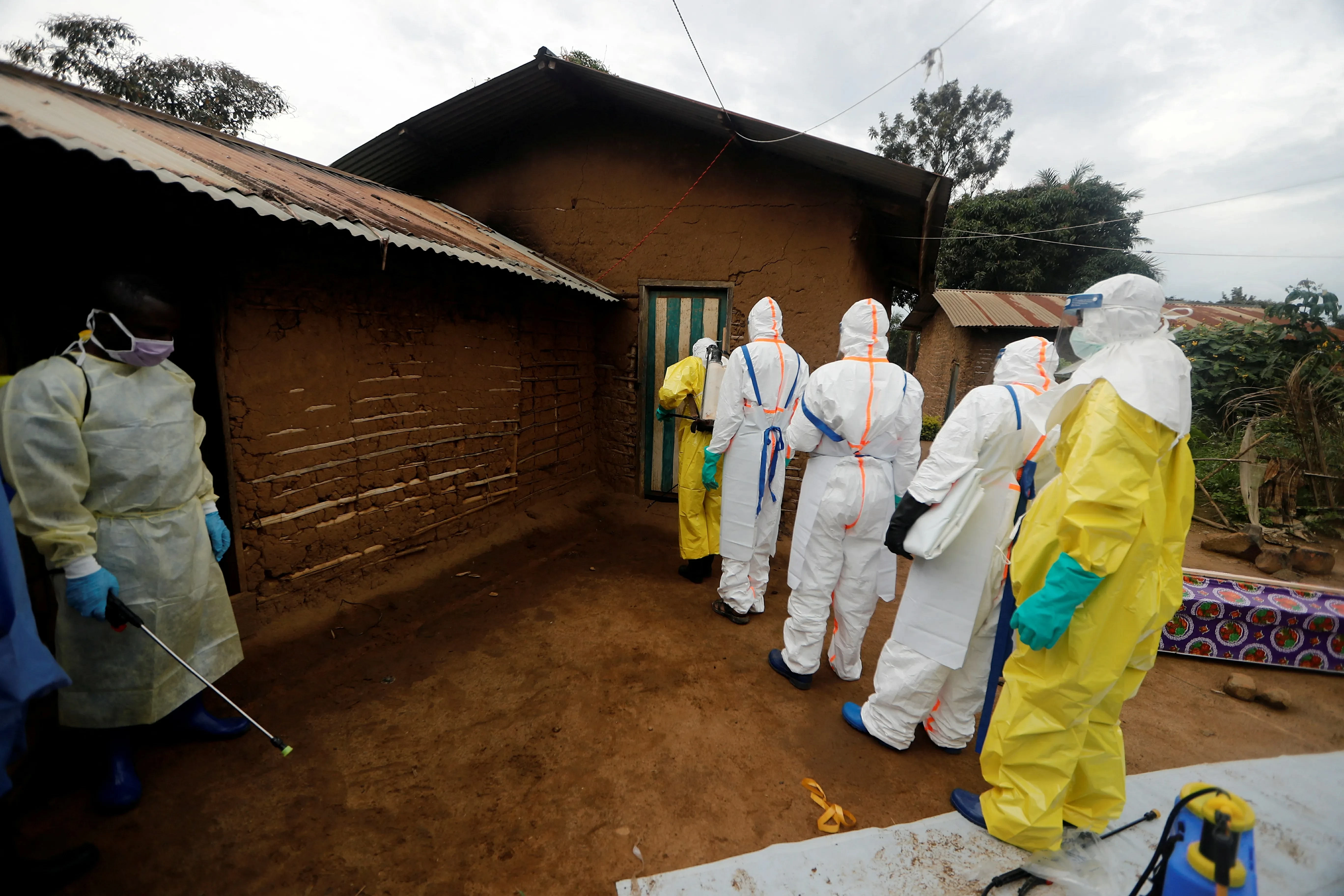
بعد تسجيل إصابات بفايروس إيبولا، أغلقت أوغندا حدودها مع جمهورية الكونغو الديموقراطية، التي تشهد تصاعداً مقلقاً في تفشي المرض، وذلك بشكل فوري ولمدة 4 أسابيع.
وعزت الحكومة الأوغندية، اليوم (الأربعاء)، قرار الإغلاق إلى ارتفاع نسبة الإصابات بين أعداد العاملين الصحيين الذين تعرضوا للعدوى، إثر تعاملهم مع مرضى قادمين من الكونغو قبل الإعلان الرسمي عن تفشي المرض في 15 مايو الجاري.
وقالت المسؤولة الصحية الأوغندية ديانا أتوين إن السلطات قررت إغلاق الحدود بأثر فوري للحد من انتشار الفايروس ومنع انتقال المزيد من الحالات عبر المعابر الحدودية.
وسجلت أوغندا حتى الآن 7 إصابات مؤكدة بإيبولا، بينها وفاة رجل يبلغ 59 عاماً في العاصمة كمبالا منتصف مايو، فيما تشير السلطات إلى أن عدد المخالطين المعرضين للعدوى لا يزال في ارتفاع، خصوصاً بين الطواقم الطبية.
ويأتي هذا التطور في وقت حذرت فيه منظمة الصحة العالمية من «تصادم كارثي» بين النزاع المسلح وتفشي إيبولا في شرق الكونغو.
وقال المدير العام للمنظمة تيدروس أدهانوم غيبريسوس إن استمرار القتال والنزوح الجماعي يعوقان جهود احتواء المرض، داعياً جميع الأطراف المتحاربة إلى وقف فوري لإطلاق النار.
وأشار إلى أن سلالة «بونديبوجيو» النادرة من فايروس إيبولا، التي لا يوجد لها حتى الآن لقاح أو علاج معتمد، تشهد انتشاراً سريعاً في مقاطعة إيتوري ومناطق أخرى شرق الكونغو.
وذكرت إحصاءات تقديرية أن عدد الحالات المشتبه بها تجاوز ألف إصابة، مع تسجيل أكثر من 200 وفاة محتملة في 3 مقاطعات شرقية، بينها شمال كيفو وجنوب كيفو. وبحسب منظمة «أنقذوا الأطفال» فإن ربع الوفيات المؤكدة حتى الآن هم من الأطفال.
وحذرت المنظمة من تفاقم الوضع الإنساني والصحي مع استمرار المعارك في المناطق المتضررة.
After registering cases of the Ebola virus, Uganda has closed its borders with the Democratic Republic of the Congo, which is experiencing a concerning rise in the outbreak of the disease, effective immediately for a duration of 4 weeks.
The Ugandan government attributed the closure decision today (Wednesday) to the increase in infection rates among healthcare workers who were exposed to the virus after dealing with patients arriving from Congo before the official announcement of the outbreak on May 15.
Ugandan health official Diana Atwine stated that the authorities decided to close the borders immediately to limit the spread of the virus and prevent further cases from crossing through border crossings.
So far, Uganda has recorded 7 confirmed cases of Ebola, including the death of a 59-year-old man in the capital Kampala in mid-May, while authorities indicate that the number of contacts at risk of infection continues to rise, especially among medical staff.
This development comes at a time when the World Health Organization has warned of a "catastrophic collision" between armed conflict and the Ebola outbreak in eastern Congo.
The organization's Director-General Tedros Adhanom Ghebreyesus stated that ongoing fighting and mass displacement hinder efforts to contain the disease, calling on all warring parties to implement an immediate ceasefire.
He noted that the rare "Bundibugyo" strain of the Ebola virus, for which there is currently no approved vaccine or treatment, is spreading rapidly in Ituri Province and other areas in eastern Congo.
Estimates suggest that the number of suspected cases has exceeded one thousand, with more than 200 potential deaths recorded in three eastern provinces, including North Kivu and South Kivu. According to Save the Children, a quarter of the confirmed deaths so far are children.
The organization warned of a worsening humanitarian and health situation as fighting continues in the affected areas.