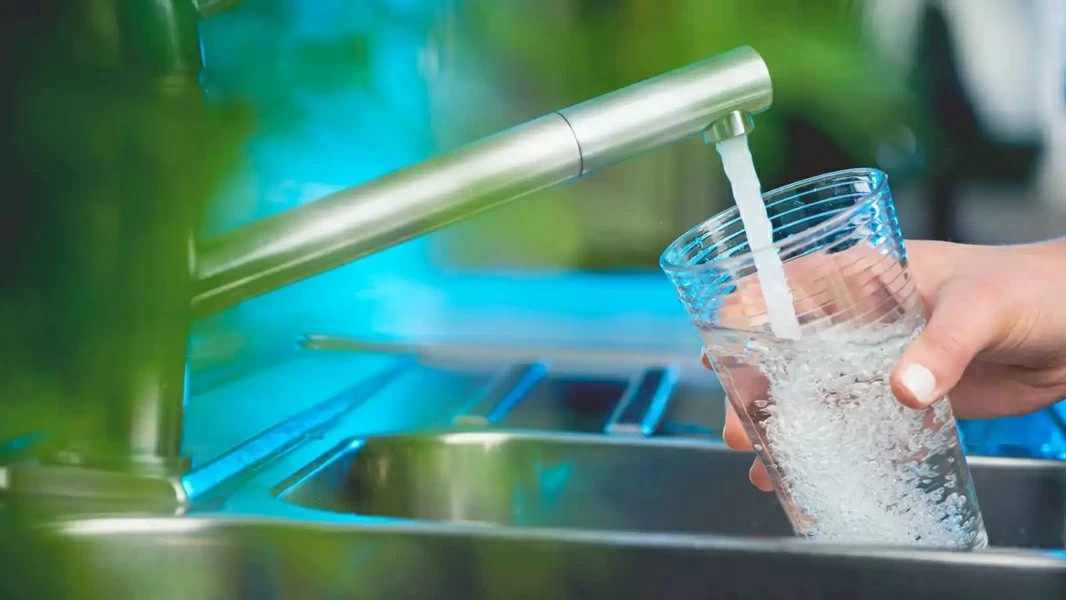
انتهت واحدة من أغرب المعارك القضائية في إيطاليا برفض محكمة التمييز العليا دعوى رفعتها امرأة ضد فندق خمس نجوم، استمرت مداولاتها سبع سنوات، والسبب: رغبتها في الحصول على كوب ماء من الحنفية مجاناً أثناء عشاء.
وتعود تفاصيل الواقعة، التي نقلتها صحيفة «ديلي ميل»، إلى شتاء عام 2019، عندما قضت النزيلة عطلة عيد الميلاد ورأس السنة في منتجع تزلج فاخر بمنطقة «كورفارا»، وكانت إقامتها تشمل وجبتي الإفطار والعشاء. وخلال تواجدها بالمطعم، فوجئت برفض إدارة الفندق المتكرر لطلبها بتقديم ماء الصنبور، ومطالبتها بدفع 7 يوروات مقابل كل زجاجة مياه معدنية (سعة 0.75 لتر).
الضرر النفسي ومفهوم «حقوق الإنسان»
هذا الموقف دفع السيدة لخوض نزاع قضائي طالبت فيه بتعويض قدره 2700 يورو، تعويضاً عما وصفته بـ «الأضرار المادية والضيق النفسي» الذي لحق بها. واستندت في دعواها إلى أن المياه مورد طبيعي وحق أساسي من حقوق الإنسان يجب توفيره كحد أدنى للنزلاء، مشبهة تقديم ماء الحنفية بوجود الأغطية على الأسرة أو الصابون في دورات المياه.
إلا أن محكمة روما الابتدائية رفضت الدعوى، ولم تقتنع النزيلة بالحكم فصعّدت القضية إلى محكمة التمييز العليا (أعلى سلطة قضائية في البلاد)، والتي حسمت الجدل بقرار أكد خلو القوانين واللوائح الإيطالية من أي بند يلزم المنشآت الفندقية والسياحية بتقديم ماء الصنبور مجاناً، تاركة الأمر بالكامل لتقدير وسياسة إدارة الفندق.
ثقافة «المياه» في إيطاليا
وتفتح هذه القضية الضوء على تباين الثقافات في أوروبا؛ فبينما تلزم قوانين دول مثل إنجلترا وويلز المطاعم بتقديم مياه الشرب للزبائن دون مقابل، يُنظر إلى طلب «ماء الحنفية» في المطاعم الإيطالية كسلوك غير محبب؛ إذ يرى الإيطاليون أن نسبة الكلور والمعادن في مياه الصنبور تشوه نكهة الأطعمة الإيطالية وتؤثر على تذوقها، وهو ما يجعل الاعتماد على المياه المعبأة عرفاً راسخاً في ثقافة الطعام هناك.
One of the strangest legal battles in Italy has ended with the Supreme Court of Cassation rejecting a lawsuit filed by a woman against a five-star hotel, which lasted for seven years, and the reason: her desire to obtain a glass of tap water for free during dinner.
The details of the incident, reported by the "Daily Mail," date back to the winter of 2019, when the guest spent the Christmas and New Year holidays at a luxury ski resort in the "Corvara" area, and her stay included breakfast and dinner. While she was in the restaurant, she was surprised by the hotel's repeated refusal to fulfill her request for tap water, insisting that she pay 7 euros for each bottle of mineral water (0.75 liters).
The psychological harm and the concept of "human rights"
This situation led the woman to engage in a legal dispute in which she demanded compensation of 2,700 euros for what she described as "material damages and psychological distress" that she suffered. She based her lawsuit on the argument that water is a natural resource and a fundamental human right that should be provided as a minimum for guests, likening the provision of tap water to having bed covers or soap in bathrooms.
However, the Rome District Court rejected the lawsuit, and the guest was not convinced by the ruling, so she escalated the case to the Supreme Court of Cassation (the highest judicial authority in the country), which resolved the debate with a decision that confirmed the absence of any clause in Italian laws and regulations requiring hotels and tourist facilities to provide tap water for free, leaving the matter entirely to the discretion and policy of the hotel management.
The culture of "water" in Italy
This case sheds light on the cultural differences in Europe; while the laws in countries like England and Wales require restaurants to provide drinking water to customers free of charge, requesting "tap water" in Italian restaurants is viewed as an undesirable behavior. Italians believe that the levels of chlorine and minerals in tap water distort the flavor of Italian dishes and affect their taste, which makes relying on bottled water a firmly established norm in their food culture.