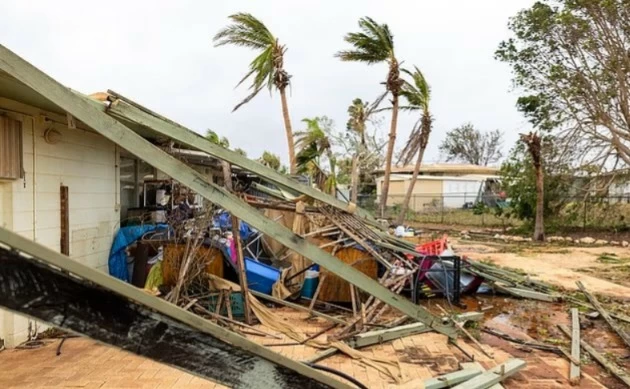
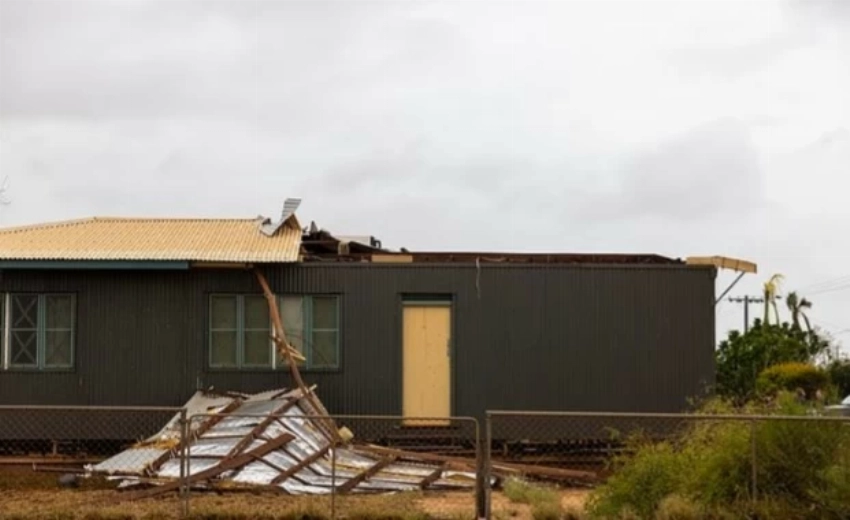
يواجه سكان شمال غرب أستراليا تداعيات مدمرة بعد مرور الإعصار الاستوائي السابق «نارييل»، الذي ضرب الساحل بقوة كبيرة قبل أن يُخفض تصنيفه إلى منخفض استوائي اليوم (السبت).
وبحسب صحيفة ديلي ميل، فإن الإعصار «نارييل» قد تم تخفيض تصنيفه إلى منخفض استوائي صباح السبت، لكنه خلّف قبل ذلك آثاراً مدمرة على أجزاء من الساحل الغربي لأستراليا، خصوصاً في منطقتي بيلبارا ورأس الشمال الغربي، بما في ذلك بلدة إكسماوث السياحية التي تبعد نحو 1,250 كيلومتراً شمال مدينة بيرث.
وقال أحد سكان إكسماوث، كريغ كيتسون، لوكالة الأنباء الأسترالية (AAP): «الدمار يلاحقك في كل مكان تنظر إليه. المدينة تغيرت تغيراً جذرياً».
وتعرضت البلدة الصغيرة، التي يقطنها بضعة آلاف من السكان، للضربة الأقوى من الإعصار من الفئة الرابعة يوم الجمعة، إذ بلغت سرعة الرياح أكثر من 250 كيلومتراً في الساعة، وأسفر ذلك عن اقتلاع أسطح المباني، وانقطاع التيار الكهربائي، وغمر المنازل بالمياه، وإجلاء نحو 50 شخصاً من مركز الإجلاء المحلي بعد تعرضه لأضرار في السقف بفعل الرياح العاتية.
وأضاف كيتسون، الذي فقد سياج منزله وقضى الليل تحت سقف يتسرب منه الماء: «كانت ليلة مرعبة حقاً بالنسبة لكثير من الناس. بعض المنازل دُمرت بالكامل، وحياة الكثيرين تغيرت تغييراً جذرياً».
ورغم أن السلطات لا تزال تحصي الخسائر، يرى السكان أن هذا الإعصار كان من أسوأ ما شهدوه في السنوات الأخيرة، ومقارنة بالإعصار من الفئة الخامسة الذي ضرب المنطقة عام 1999، قال كيتسون إن هذا الإعصار شعر به الكثيرون على أنه أشد قسوة بسبب طول مدته وتوجهه المباشر نحو المدينة، رغم تحسن معايير البناء الحديثة.
وبحلول صباح السبت، ظلت آلاف المنازل والمؤسسات دون كهرباء في إكسماوث وكارنارفون، وتلقت خدمات الطوارئ طلبات مساعدة من نحو 40 شخصاً في منطقة بيلبارا، منهم 29 في إكسماوث.
وتحرك الإعصار نارييل جنوباً نحو كورال باي، ووصل إلى اليابسة مساء الجمعة جنوب البلدة الصغيرة، قبل أن يضعف إلى الفئة الثالثة، ثم خُفض تصنيفه إلى الفئة الثانية شمال شرق كالباري وجيرالدتون، وأصبح منخفضاً استوائياً صباح السبت.
وسجلت هبوب رياح أكثر من 120 كيلومتراً في الساعة في أجزاء من منطقة غاسكوين، مصحوبة بهطول أمطار بلغ 100 ملم، مما زاد من خطر الفيضانات المفاجئة وإغلاق الطرق.
ومن المتوقع أن يفقد النظام قوته تدريجياً مع تحركه داخل الأراضي، لكنه لا يزال يولد رياحاً قوية وأمطاراً غزيرة، بحسب مكتب الأرصاد الجوية.
ورغم تراجع شدته، لا يزال النظام الجوي مصحوباً برياح قوية وأمطار كثيفة مع تحركه نحو الداخل، وسط تحذيرات مستمرة للسكان في مناطق عدة، إضافة إلى مراقبة لمخاطر الفيضانات تمتد من إكسماوث حتى نهر سوان في بيرث.
ومن المتوقع أن يواصل الإعصار تحركه باتجاه الجنوب الشرقي قبل أن يصل إلى المحيط الجنوبي مساء السبت.
The residents of North West Australia are facing devastating repercussions after the passage of the former tropical cyclone "Narelle," which struck the coast with great force before being downgraded to a tropical low today (Saturday).
According to the Daily Mail, the cyclone "Narelle" was downgraded to a tropical low on Saturday morning, but it had already left destructive impacts on parts of the western coast of Australia, particularly in the Pilbara and North West Cape regions, including the tourist town of Exmouth, which is about 1,250 kilometers north of Perth.
One resident of Exmouth, Craig Kitson, told the Australian Associated Press (AAP): "Destruction follows you everywhere you look. The town has changed drastically."
The small town, home to a few thousand residents, took the brunt of the category four cyclone on Friday, with wind speeds exceeding 250 kilometers per hour, resulting in roofs being torn off buildings, power outages, homes being flooded, and the evacuation of about 50 people from the local evacuation center after it suffered roof damage from the fierce winds.
Kitson added, who lost his home’s fence and spent the night under a leaking roof: "It was a truly terrifying night for many people. Some homes were completely destroyed, and many lives have changed drastically."
Although authorities are still assessing the damages, residents believe this cyclone was one of the worst they have experienced in recent years. Compared to the category five cyclone that hit the area in 1999, Kitson said many felt this cyclone was harsher due to its duration and direct path towards the town, despite improvements in modern building standards.
By Saturday morning, thousands of homes and businesses remained without power in Exmouth and Carnarvon, and emergency services received requests for assistance from about 40 people in the Pilbara region, including 29 in Exmouth.
The cyclone Narelle moved south towards Coral Bay, making landfall on Friday evening south of the small town, before weakening to a category three, then being downgraded to a category two northeast of Kalbarri and Geraldton, and becoming a tropical low on Saturday morning.
Wind gusts of over 120 kilometers per hour were recorded in parts of the Gascoyne region, accompanied by rainfall of 100 mm, increasing the risk of flash flooding and road closures.
The system is expected to gradually lose strength as it moves inland, but it is still generating strong winds and heavy rainfall, according to the Bureau of Meteorology.
Despite its weakening, the weather system remains accompanied by strong winds and heavy rains as it moves inland, with ongoing warnings for residents in several areas, along with monitoring of flood risks extending from Exmouth to the Swan River in Perth.
The cyclone is expected to continue moving southeast before reaching the Southern Ocean on Saturday evening.