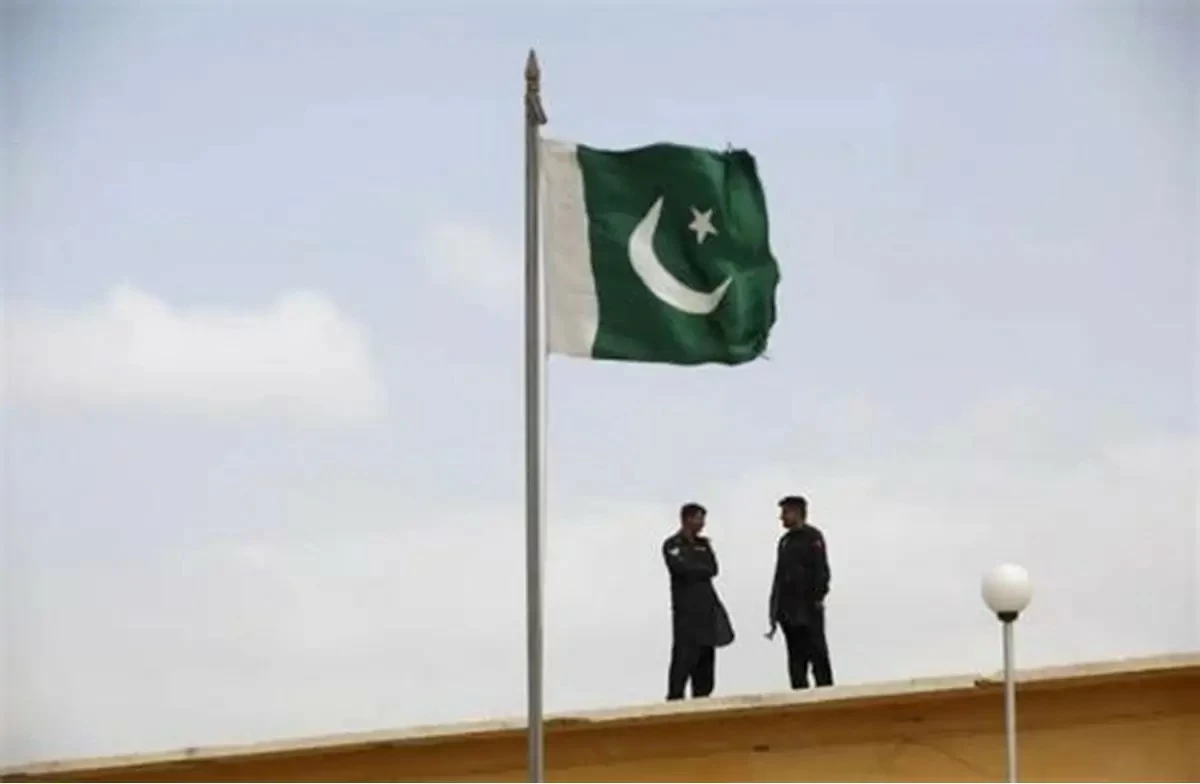
في خطوة طارئة لمواجهة أزمة الوقود العالمية الناجمة عن التصعيد العسكري في الشرق الأوسط، أعلن رئيس الوزراء الباكستاني شهباز شريف اليوم، إغلاق جميع المدارس في أنحاء البلاد لمدة أسبوعين ابتداءً من نهاية هذا الأسبوع، بينما ستتحول الجامعات ومؤسسات التعليم العالي فورًا إلى نظام التعليم عن بعد (أونلاين) كجزء من إجراءات ترشيد استهلاك الوقود والطاقة.
جاء الإعلان بعد اجتماعات مكثفة للجنة الاقتصادية التنسيقية واستشارات مع الحكومات الإقليمية، حيث يُعتبر الإغلاق المؤقت للمدارس والتحول السريع للجامعات إلى التعليم الرقمي من أبرز الإجراءات لتقليل حركة المركبات اليومية خصوصا النقل المدرسي والجامعي، وبالتالي خفض استهلاك البنزين والديزل، مع الحفاظ على استمرار العملية التعليمية قدر الإمكان.
في وقت سابق من اليوم نفسه، أعلنت حكومة بنغلاديش إغلاق جميع الجامعات العامة والخاصة، مع تقديم عطلة عيد الفطر مبكرًا، كإجراء طارئ لتوفير الكهرباء والوقود.
وأوضحت وزارة التعليم في دكا أن الجامعات تستهلك كميات كبيرة من الكهرباء للسكن الجامعي والمختبرات والتكييف، وأن الإغلاق سيخفف الضغط على الشبكة الكهربائية ويقلل من الازدحام المروري الذي يستهلك الوقود، كما فرضت السلطات تقنينًا لتوزيع الوقود في محطات الوقود.
يأتي هذان القراران في سياق أزمة طاقة عالمية حادة نجمت عن التصعيد العسكري بين إيران والولايات المتحدة/إسرائيل، حيث أدت الضربات المتبادلة إلى تعطيل إمدادات النفط والغاز عبر مضيق هرمز الذي يمر من خلاله نحو 20% من تجارة النفط العالمية، وارتفاع أسعار الوقود إلى مستويات قياسية.
وتواجه باكستان التي تعتمد على الاستيراد بنسبة كبيرة لاحتياجاتها من الوقود، احتياطيات محدودة، حيث تشير تقارير إلى أنها انخفضت إلى أقل من 30 يومًا في بعض التقديرات، مع مخاوف من نقص الديزل والبنزين، وارتفاع تكاليف الاستيراد بسبب زيادة أقساط التأمين والشحن.
أما بنغلاديش، فتعتمد على الاستيراد بنسبة 95% لاحتياجات الطاقة، ما جعلها من أكثر الدول تأثرًا بالأزمة.
In an emergency move to address the global fuel crisis resulting from military escalation in the Middle East, Pakistani Prime Minister Shahbaz Sharif announced today the closure of all schools across the country for two weeks starting from the end of this week, while universities and higher education institutions will immediately transition to online education as part of measures to rationalize fuel and energy consumption.
The announcement came after intensive meetings of the Economic Coordination Committee and consultations with regional governments, where the temporary closure of schools and the rapid shift of universities to digital education are considered among the most prominent measures to reduce daily vehicle movement, especially school and university transport, thereby lowering gasoline and diesel consumption while maintaining the continuity of the educational process as much as possible.
Earlier on the same day, the Bangladeshi government announced the closure of all public and private universities, with an early holiday for Eid al-Fitr, as an emergency measure to conserve electricity and fuel.
The Ministry of Education in Dhaka clarified that universities consume large amounts of electricity for dormitories, laboratories, and air conditioning, and that the closure will alleviate pressure on the electrical grid and reduce traffic congestion that consumes fuel. Authorities have also imposed fuel rationing at gas stations.
These two decisions come in the context of a severe global energy crisis resulting from military escalation between Iran and the United States/Israel, where mutual strikes have disrupted oil and gas supplies through the Strait of Hormuz, through which about 20% of global oil trade passes, leading to fuel prices reaching record levels.
Pakistan, which heavily relies on imports for its fuel needs, is facing limited reserves, with reports indicating that they have fallen to less than 30 days in some estimates, amid concerns over diesel and gasoline shortages and rising import costs due to increased insurance and shipping premiums.
As for Bangladesh, it relies on imports for 95% of its energy needs, making it one of the most affected countries by the crisis.