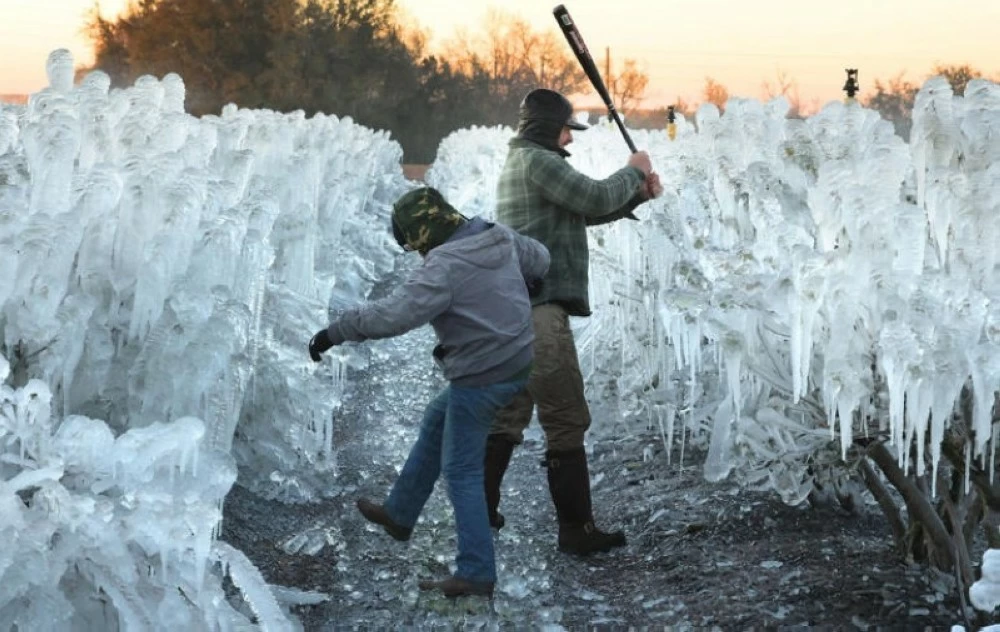
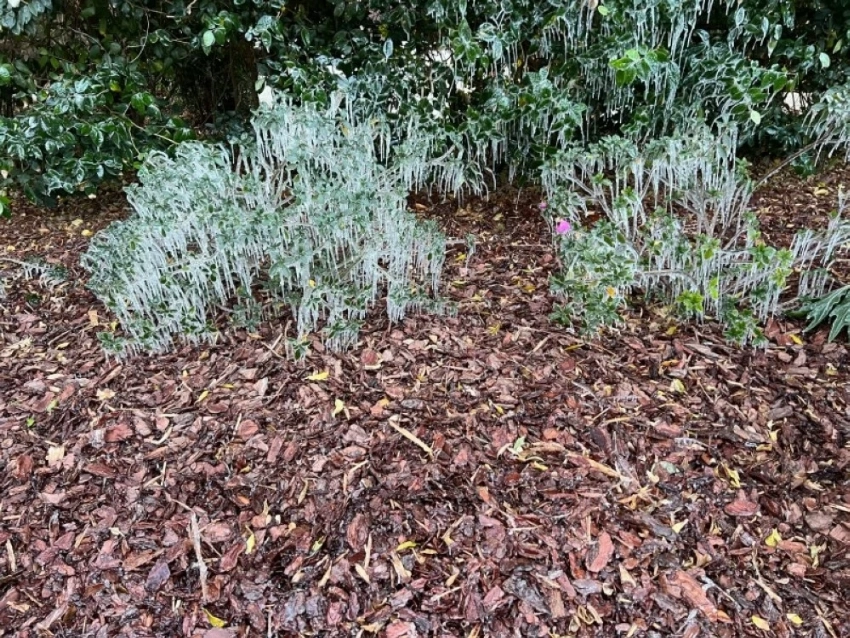
تعرضت ولاية فلوريدا الأمريكية المعروفة بمناخها الدافئ شبه الاستوائي لموجة برد شديدة وغير معتادة، تُعد من أقوى موجات البرد التي تضرب الولاية في مثل هذا الوقت من العام منذ عقود.
وسجلت هيئة الأرصاد الجوية الوطنية درجات حرارة قياسية منخفضة في عدة مدن رئيسية خلال الساعات الماضية، إذ سجلت جاكسونفيل −5.6 درجة مئوية، وأورلاندو −4.4 درجة مئوية، وتامبا −1.7 درجة مئوية بفارق درجتين فقط من الرقم القياسي التاريخي.
وأصدرت الهيئة تحذيرات من الصقيع وتنبيهات من الطقس البارد تغطي مساحات واسعة من شمال ووسط الولاية، وامتدت في بعض المناطق إلى الساحل الغربي.
درجات حرارة قياسية
أكد مزارعو الحمضيات وخبراء زراعيون أن درجات الحرارة دون الصفر المئوي لفترات طويلة تُسبب أضراراً بالغة في أشجار البرتقال والجريب فروت، خصوصاً في المناطق الوسطى والجنوبية الوسطى التي تُعد قلب صناعة الموالح الأمريكية.
ووفقاً لتقرير نشرته وكالة بلومبيرغ، فإن نسبة كبيرة من المحصول الحالي والمستقبلي قد تتعرض للتلف، مما ينذر بارتفاع أسعار عصير البرتقال ومنتجات الحمضيات في الأسواق الأمريكية والعالمية خلال الأشهر القادمة.
وفي ظل الطلب الهائل على التدفئة، وجهت شركة فلوريدا للطاقة -أكبر مزود كهرباء في الولاية- نداءً عاجلاً للمواطنين بترشيد استهلاك الطاقة، محذرة من احتمال حدوث انقطاعات متفرقة إذا استمر الضغط على الشبكة خلال ساعات الذروة الباردة.
ضغط كبير على شبكة الكهرباء
وأرجعت الشركة الضغط الكبير إلى تزايد استخدام أجهزة التدفئة الكهربائية والمدافئ، وهو أمر غير معتاد في ولاية تشتهر باستخدام مكيفات الهواء أكثر من أنظمة التدفئة.
وتُعد فلوريدا من أكبر منتجي البرتقال في العالم، وتساهم بنحو 70% من إنتاج الولايات المتحدة من عصير البرتقال، وشهد المحصول بالفعل تراجعاً كبيراً خلال السنوات الأخيرة بسبب مرض التنين الأخضر، مما يجعل أي موجة صقيع إضافية تهديداً خطيراً للصناعة بأكملها.
وتاريخياً، تُعد موجات البرد القوية نادرة جداً في جنوب فلوريدا، لكنها تحدث بين الحين والآخر في المناطق الشمالية والوسطى، وكانت آخر موجة برد شديدة مماثلة ضربت الولاية في يناير 2010، وتسببت حينها في خسائر زراعية بمئات الملايين من الدولارات.
The U.S. state of Florida, known for its warm subtropical climate, has experienced a severe and unusual cold wave, considered one of the strongest cold waves to hit the state at this time of year in decades.
The National Weather Service recorded record low temperatures in several major cities over the past hours, with Jacksonville recording −5.6 degrees Celsius, Orlando −4.4 degrees Celsius, and Tampa −1.7 degrees Celsius, just two degrees shy of the historical record.
Warnings of frost and alerts for cold weather have been issued, covering large areas of northern and central Florida, extending in some regions to the west coast.
Record Low Temperatures
Citrus farmers and agricultural experts have confirmed that sub-zero temperatures for extended periods can cause severe damage to orange and grapefruit trees, especially in the central and south-central areas, which are the heart of the U.S. citrus industry.
According to a report published by Bloomberg, a significant portion of the current and future crop may be at risk of damage, raising concerns about rising prices for orange juice and citrus products in U.S. and global markets in the coming months.
Amid the huge demand for heating, Florida Power & Light - the largest electricity provider in the state - has issued an urgent call for citizens to conserve energy, warning of the possibility of sporadic outages if the pressure on the grid continues during peak cold hours.
High Pressure on the Power Grid
The company attributed the high pressure to the increased use of electric heating devices and heaters, which is unusual in a state known for using air conditioning more than heating systems.
Florida is one of the largest orange producers in the world, contributing about 70% of the U.S. orange juice production, and the crop has already seen a significant decline in recent years due to citrus greening disease, making any additional frost wave a serious threat to the entire industry.
Historically, strong cold waves are very rare in South Florida, but they do occur from time to time in the northern and central regions. The last similar severe cold wave hit the state in January 2010, causing agricultural losses in the hundreds of millions of dollars.