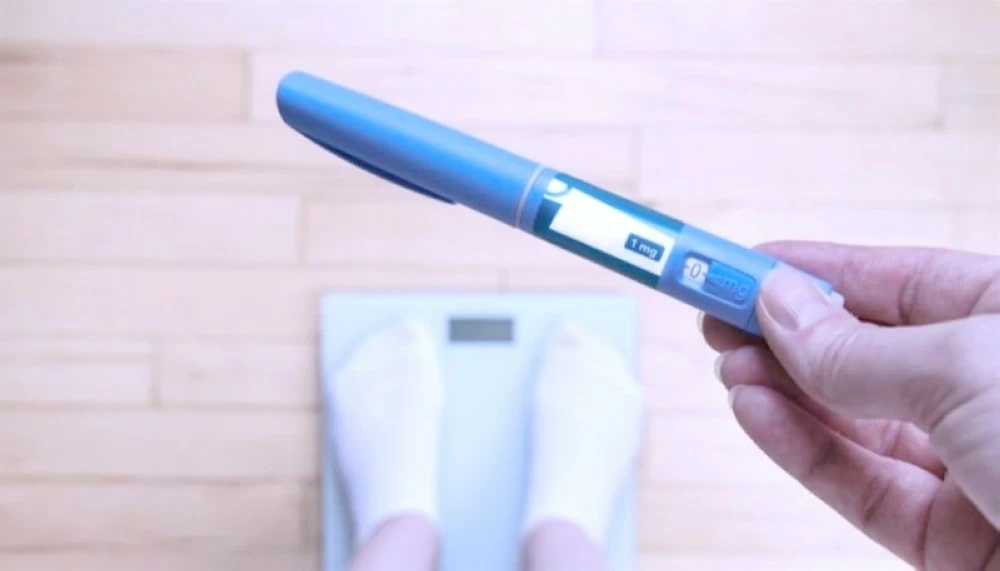
أظهرت تقارير طبية، نقلها موقع Metro، أن التوقف المفاجئ عن أدوية التنحيف المعتمدة على هرمون GLP-1 قد يؤدي إلى عودة الوزن المفقود بسرعة إذا لم تُتبع خطة انتقالية مدروسة بإشراف طبي.
ويشير مختصون إلى أن هذه الأدوية تعمل عبر تقليل الشهية وتنظيم إشارات الجوع في الدماغ، وعند التوقف عنها فجأة يعود الجسم تدريجيًا إلى أنماطه الهرمونية القديمة، ما يرفع الرغبة في الطعام ويُبطئ معدلات الحرق، لذلك يحذر الأطباء من الاعتقاد بأن فقدان الوزن الدوائي كافٍ وحده لتحقيق نتائج دائمة.
ويرى خبراء التغذية، أن المرحلة الأخطر تبدأ بعد إيقاف العلاج، حيث يحتاج الجسم إلى إعادة تدريب على التوازن الغذائي والسلوكي. وتشمل التوصيات الأساسية رفع استهلاك البروتين للحفاظ على الكتلة العضلية، تنظيم مواعيد الوجبات، تقليل السكريات السريعة والالتزام بنشاط بدني منتظم لا يقل عن 150 دقيقة أسبوعيًا. كما تلعب جودة النوم وإدارة التوتر دورًا محوريًا في منع العودة إلى أنماط الأكل العاطفي.
وتؤكد التقارير، أن المتابعة الطبية خلال الأشهر الأولى بعد التوقف ضرورية لرصد أي تغيرات مفاجئة في الوزن أو الشهية، وتعديل الخطة الغذائية وفق استجابة الجسم. كما ينصح المختصون بتبني نمط حياة طويل الأمد بدل الاعتماد على الحلول السريعة، لأن استدامة النتائج ترتبط بتغيير السلوك اليومي وليس بالدواء فقط.
Medical reports, as reported by Metro, have shown that a sudden stop of weight loss medications based on the GLP-1 hormone may lead to a rapid return of lost weight if a well-planned transitional strategy under medical supervision is not followed.
Experts indicate that these medications work by reducing appetite and regulating hunger signals in the brain. When stopped suddenly, the body gradually returns to its old hormonal patterns, increasing food cravings and slowing down metabolism rates. Therefore, doctors warn against the belief that pharmaceutical weight loss alone is sufficient to achieve lasting results.
Nutrition experts believe that the most dangerous phase begins after stopping the treatment, as the body needs retraining for nutritional and behavioral balance. Key recommendations include increasing protein intake to maintain muscle mass, organizing meal times, reducing fast sugars, and committing to regular physical activity of at least 150 minutes per week. The quality of sleep and stress management also play a crucial role in preventing a return to emotional eating patterns.
Reports confirm that medical follow-up during the first few months after stopping is essential to monitor any sudden changes in weight or appetite and to adjust the dietary plan according to the body's response. Specialists also advise adopting a long-term lifestyle instead of relying on quick fixes, as the sustainability of results is linked to changing daily behavior and not just medication.