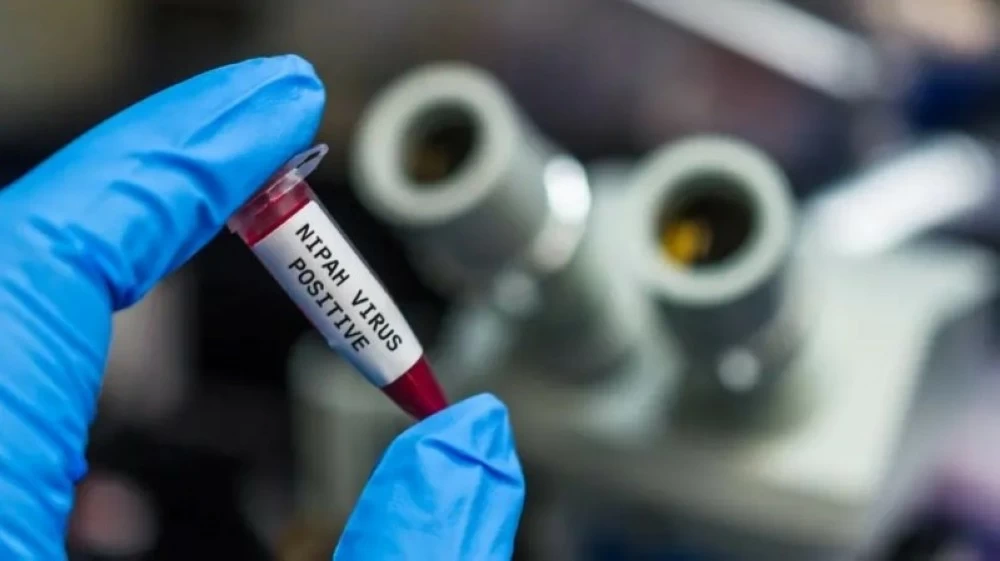
في خطوة علمية غير مسبوقة، كشفت وسائل إعلام يابانية أن جامعة طوكيو تستعد لإطلاق أول تجربة سريرية على البشر للقاح جديد مضاد لفايروس نيباه شديد الخطورة، وذلك بعد أكثر من ربع قرن على اكتشاف الفايروس دون أي لقاح معتمد.
وبحسب صحيفة «نيكاي»، نجح باحثون في مركز أبحاث العلوم والتكنولوجيا المتقدمة بالجامعة في تطوير لقاح تجريبي يُتوقع أن يوفر حماية فعالة من الفيروس، على أن تنطلق المرحلة الأولى من التجارب البشرية خلال شهر أبريل القادم.
كيف يعمل اللقاح؟
يعتمد اللقاح على فايروس الحصبة المُضعف، حيث يتم إدخاله إلى الجسم لتحفيز الجهاز المناعي على إنتاج بروتينات تحاكي تلك التي يستخدمها فايروس نيباه، ما يمكّن الجسم من التعرف على الفايروس ومقاومته بسرعة في حال التعرض له مستقبلاً.
وأكد فريق البحث أن اللقاح أظهر مستويات عالية من السلامة والفعالية خلال التجارب التي أُجريت على حيوانات المختبر، بما في ذلك الهامستر، دون تسجيل آثار جانبية خطيرة.
تجارب بشرية خارج اليابان
ومن المقرر أن تُجرى المرحلة الأولى من التجارب السريرية في بلجيكا، وتركّز على تقييم السلامة والاستجابة المناعية لدى المتطوعين. وفي حال نجاحها، تخطط الجامعة للانتقال إلى مراحل أوسع تشمل البالغين والأطفال في بنغلاديش خلال النصف الثاني من عام 2027، وهي من أكثر الدول تضررًا من تفشيات الفايروس.
فايروس قاتل بلا لقاح
يُعد فايروس نيباه واحدًا من أخطر الفايروسات الناشئة عالميًا، إذ ينتقل أساسًا من الخفافيش الكبيرة إلى البشر، مباشرة أو عبر حيوانات وسيطة، ويسبب التهابات حادة في الدماغ والجهاز التنفسي.
وتشير منظمة الصحة العالمية إلى أن معدل الوفيات قد يصل في بعض التفشيات إلى 70–80%، وهو ما يضع الفايروس في صدارة التهديدات الوبائية المستقبلية. ومنذ اكتشافه عام 1998، أُصيب به نحو 1000 شخص، دون توفر أي لقاح أو علاج نوعي حتى اليوم.
أمل عالمي جديد
ويرى خبراء أن نجاح هذا اللقاح قد يشكّل نقطة تحول تاريخية في مواجهة الفايروسات الحيوانية المنشأ، خصوصًا تلك التي تهدد باندلاع أوبئة عالمية.
ومع انطلاق التجارب البشرية، يترقّب العالم العلمي نتائج هذه الخطوة التي قد تمهّد الطريق أمام أول لقاح في التاريخ ضد فيروس نيباه… وربما إنقاذ آلاف الأرواح مستقبلًا.
In an unprecedented scientific step, Japanese media revealed that the University of Tokyo is preparing to launch the first clinical trial on humans for a new vaccine against the highly dangerous Nipah virus, more than a quarter of a century after the virus was discovered without any approved vaccine.
According to the "Nikkei" newspaper, researchers at the university's Advanced Science and Technology Research Center have successfully developed an experimental vaccine expected to provide effective protection against the virus, with the first phase of human trials set to begin next April.
How does the vaccine work?
The vaccine is based on a weakened measles virus, which is introduced into the body to stimulate the immune system to produce proteins that mimic those used by the Nipah virus, enabling the body to recognize and quickly resist the virus if exposed in the future.
The research team confirmed that the vaccine showed high levels of safety and efficacy during trials conducted on laboratory animals, including hamsters, with no serious side effects recorded.
Human trials outside Japan
The first phase of clinical trials is scheduled to take place in Belgium, focusing on assessing safety and immune response in volunteers. If successful, the university plans to move to broader phases involving adults and children in Bangladesh during the second half of 2027, which is one of the countries most affected by outbreaks of the virus.
A deadly virus without a vaccine
The Nipah virus is considered one of the most dangerous emerging viruses globally, as it primarily transmits from large bats to humans, either directly or through intermediate animals, causing severe inflammation in the brain and respiratory system.
The World Health Organization indicates that the mortality rate can reach 70–80% in some outbreaks, placing the virus at the forefront of future pandemic threats. Since its discovery in 1998, approximately 1,000 people have been infected, with no vaccine or specific treatment available to date.
A new global hope
Experts believe that the success of this vaccine could mark a historic turning point in the fight against zoonotic viruses, especially those that threaten to trigger global pandemics.
With the commencement of human trials, the scientific community is eagerly awaiting the results of this step, which may pave the way for the first vaccine in history against the Nipah virus… and perhaps save thousands of lives in the future.