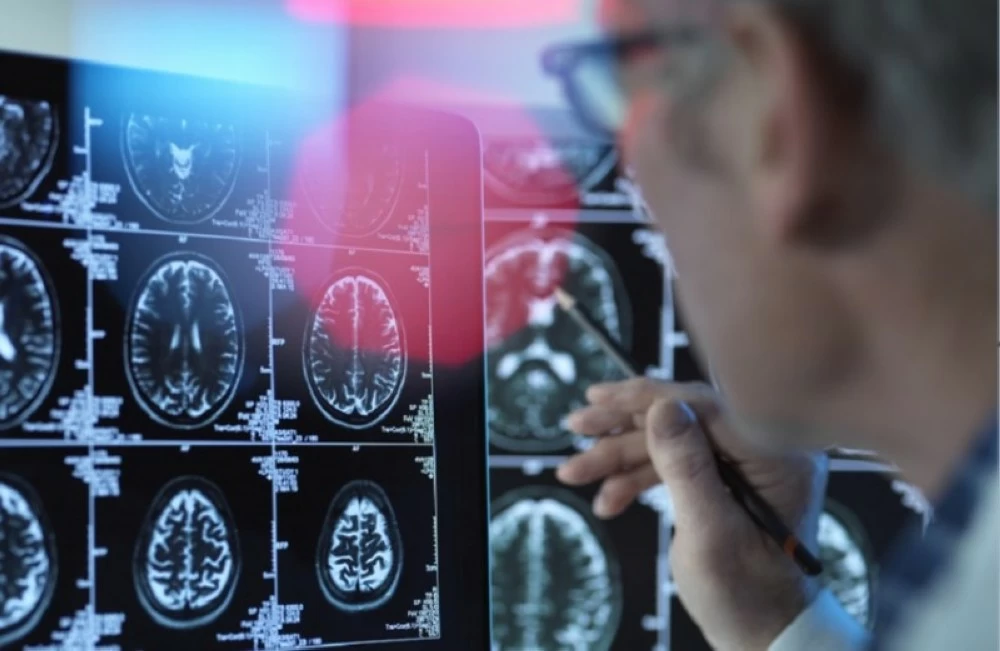
أظهرت دراسة، أجراها علماء من جامعة كورنيل الأمريكية أن التراكم المفرط للبروتينات في جدران الأوعية الدموية الدماغية يزيد خطر الإصابة بالخرف بنحو أربعة أضعاف لدى كبار السن.
وأوضح المكتب الإعلامي للجامعة أن الدراسة التي عُرضت خلال مؤتمر «American Heart Association»، وجدت أن الاعتلال النشواني الدماغي للأوعية الدموية يعد اضطرابا شائعا لدى كبار السن، حيث يبدأ تراكم البروتينات في جدران الشعيرات الدموية والشرايين متوسطة الحجم، ما يجعل الأوعية عرضة للتلف ويزيد خطر الإصابة بالسكتات الدماغية والنزيف الدماغي وأشكال أخرى من الضرر الداخلي في الدماغ، كما يؤثر تراكم البروتين مباشرة على احتمالية الإصابة بالخرف.
وتركزت الدراسة على تحليل سجلات طبية لـ1.9 مليون من كبار السن في الولايات المتحدة، الذين طلبوا المساعدة في المستشفيات بين عامي 2016 و2022، لمقارنة مدى تكرار الخرف لدى المصابين بالاعتلال والمرضى الآخرين.
وأظهرت النتائج أن الخرف تم تشخيصه لدى 42% من كبار السن المصابين باعتلال الأوعية النشواني خلال خمس سنوات، مقابل 10% فقط لدى المرضى الآخرين، وارتفع خطر الإصابة بالخرف بمقدار 4.5 مرة لدى المصابين بالاعتلال والذين عانوا من سكتة دماغية، و2.4 مرة لدى المصابين بالنزيف الدماغي دون الاعتلال.
وأشار العلماء إلى أن الاضطراب في الأوعية الدموية بحد ذاته يساهم في تطور الخرف، مؤكدين أن هذه النتائج تسلط الضوء على الدور المباشر لتراكم البروتينات بأوعية الدماغ في زيادة خطر الخرف، ما يفتح آفاقا جديدة لفهم الاضطرابات المعرفية لدى كبار السن، ويعزز إمكانية تطوير استراتيجيات وقائية وعلاجية مستقبلية تستهدف الأوعية الدموية الدماغية.
A study conducted by scientists from Cornell University has shown that excessive accumulation of proteins in the walls of cerebral blood vessels increases the risk of dementia by about four times in the elderly.
The university's media office explained that the study, presented during the "American Heart Association" conference, found that cerebral amyloid angiopathy is a common disorder among the elderly, where protein accumulation begins in the walls of capillaries and medium-sized arteries, making the vessels prone to damage and increasing the risk of strokes, cerebral hemorrhages, and other forms of internal brain damage. Additionally, protein accumulation directly affects the likelihood of developing dementia.
The study focused on analyzing medical records of 1.9 million elderly individuals in the United States who sought help in hospitals between 2016 and 2022, to compare the prevalence of dementia among those with the disorder and other patients.
The results showed that dementia was diagnosed in 42% of elderly patients with amyloid angiopathy within five years, compared to only 10% among other patients. The risk of developing dementia increased by 4.5 times among those with the disorder who had suffered a stroke, and 2.4 times among those with cerebral hemorrhage without the disorder.
Scientists noted that the vascular disorder itself contributes to the development of dementia, emphasizing that these results highlight the direct role of protein accumulation in the brain's blood vessels in increasing the risk of dementia. This opens new avenues for understanding cognitive disorders in the elderly and enhances the potential for developing future preventive and therapeutic strategies targeting cerebral blood vessels.