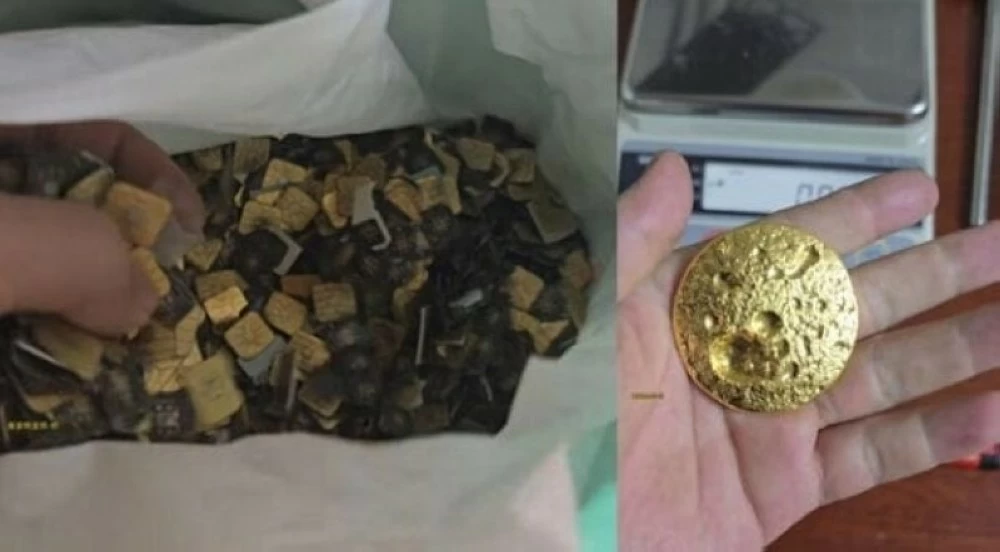
أثار مدوّن صيني موجة واسعة من الجدل على منصات التواصل الاجتماعي، بعد أن زعم نجاحه في استخراج ذهب بقيمة تتجاوز 120 ألف يوان صيني (نحو 17 ألف دولار) من شرائح SIM ونفايات إلكترونية أخرى.
وبحسب موقع «odditycentral»، قال المدوّن، المقيم في مقاطعة غوانغدونغ، إنه تمكن من تنقية نحو 191.73 غراماً من الذهب من رقائق شرائح SIM تالفة ومكونات إلكترونية مهملة، مستخدماً عمليات كيميائية معقدة تشمل الإذابة بأحماض قوية والاختزال الكهربائي.
وشارك فيديو يوثق ما أطلق عليه البعض «كيمياء شرائح SIM»، ما دفع عدداً كبيراً من المتابعين إلى إبداء رغبتهم في تقليد التجربة.
وعلّق أحد المتابعين ساخراً: «عشر سنوات من العمل لا تعادل سنة واحدة من جمع الخردة»، مطالباً المدوّن بأن يقبله متدرّباً لتعلم ما وصفه بـ«كيمياء الرقائق».
فيما كتب آخر بدهشة: «هل يمكن فعلاً استخراج الذهب من شرائح SIM؟ هذه أول مرة أسمع بذلك».
مخلفات متخصصة
لكن في خضم هذا التفاعل الواسع، خرج خبراء ليوضحوا أن محتوى الذهب الحقيقي في شريحة SIM الواحدة ضئيل للغاية، فبينما ادعى الفيديو أن كل شريحة تحتوي على نحو 0.02 غرام من الذهب، يؤكد المختصون أن الكمية الفعلية لا تتجاوز 0.47 ملليغراماً فقط، ما يعني أن استخراج قرابة 191 غراماً من الذهب يتطلب ما يقارب 400 ألف شريحة SIM.
وبعد تصاعد الجدل، ردّ المدوّن الصيني موضحاً أن المواد المستخدمة في عملية الاستخراج ليست شرائح SIM عادية، بل مجموعة من الرقائق الإلكترونية المطلية بالذهب، تعود إلى مخلفات متخصصة في قطاع الاتصالات.
وقال في بيان توضيحي: «ما أود توضيحه هو أن هذه ليست قصة شخص يستخرج الذهب من شرائح SIM مهملة، ما عرضته هو عملية معترف بها ضمن صناعة إعادة تدوير المعادن الثمينة من النفايات الإلكترونية المتخصصة، والهدف من الفيديو كان إبراز قيمة إعادة التدوير، لا إثارة الجدل أو التضليل».
وفي المقابل، حذّر خبراء البيئة والكيمياء من محاولات تقليد هذه التجربة، مؤكدين أن عمليات استخراج الذهب من النفايات الإلكترونية تنطوي على مخاطر جسيمة، نظراً لاستخدام مواد كيميائية شديدة التآكل قد تشكل خطراً على السلامة العامة وتسبب تلوثاً بيئياً خطيراً في حال التعامل معها دون إشراف مهني وتقنيات مناسبة.
A Chinese blogger sparked a wide wave of controversy on social media platforms after claiming to have successfully extracted gold worth over 120,000 Chinese yuan (about 17,000 dollars) from SIM cards and other electronic waste.
According to the website "odditycentral," the blogger, who resides in Guangdong province, stated that he managed to purify about 191.73 grams of gold from damaged SIM card chips and discarded electronic components, using complex chemical processes that involve dissolving with strong acids and electrolysis.
He shared a video documenting what some have called "SIM card chemistry," prompting a large number of followers to express their desire to replicate the experiment.
One follower sarcastically commented, "Ten years of work is not equal to one year of collecting scrap," asking the blogger to accept him as an apprentice to learn what he described as "chip chemistry."
Meanwhile, another wrote in astonishment, "Can gold really be extracted from SIM cards? This is the first time I've heard of that."
Specialized Waste
However, amid this widespread interaction, experts clarified that the actual gold content in a single SIM card is extremely minimal. While the video claimed that each card contains about 0.02 grams of gold, specialists confirm that the actual amount does not exceed 0.47 milligrams, meaning that extracting nearly 191 grams of gold would require about 400,000 SIM cards.
After the controversy escalated, the Chinese blogger responded, explaining that the materials used in the extraction process are not ordinary SIM cards, but rather a collection of gold-plated electronic chips that come from specialized waste in the telecommunications sector.
He stated in a clarifying statement: "What I want to clarify is that this is not a story about someone extracting gold from discarded SIM cards. What I presented is a recognized process within the precious metal recycling industry from specialized electronic waste, and the goal of the video was to highlight the value of recycling, not to provoke controversy or mislead."
In contrast, environmental and chemistry experts warned against attempts to replicate this experiment, emphasizing that gold extraction from electronic waste involves serious risks due to the use of highly corrosive chemicals that could pose a danger to public safety and cause severe environmental pollution if handled without professional supervision and appropriate techniques.