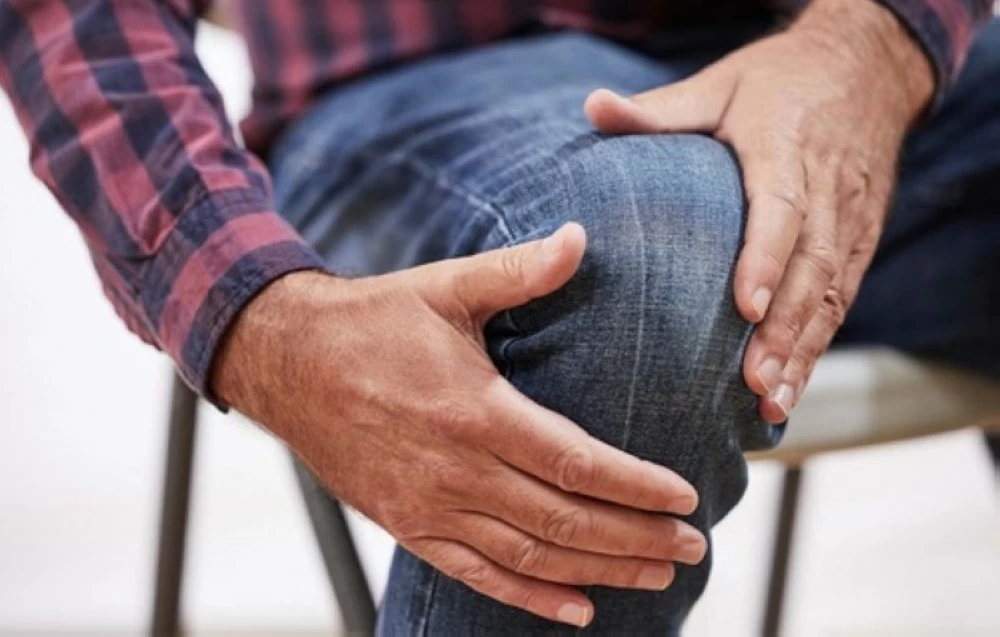
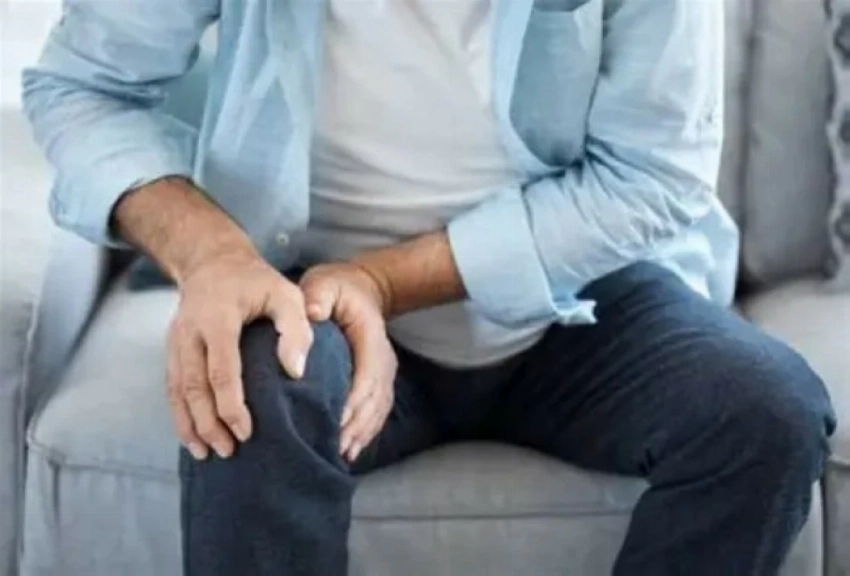
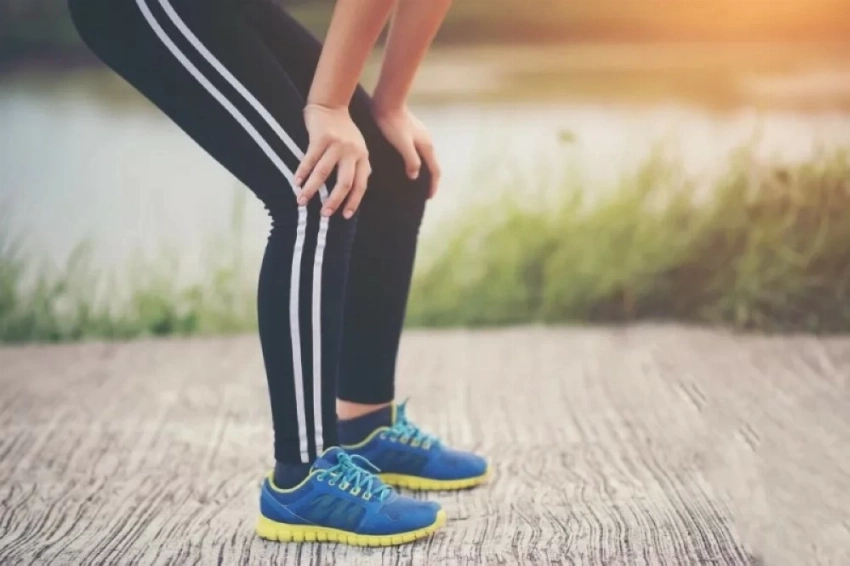
كشف خبراء في جراحة العظام والمفاصل أن أصوات الطقطقة أو الفرقعة أو النقر التي تصدر من الركبة أثناء الحركة، المعروفة طبيًا بـ«الكريبيتوس»، والتي أصبحت ظاهرة شائعة بين الأشخاص من مختلف الأعمار، غالباً ما تكون غير ضارة تمامًا، لكن يحذرون من أنها قد تشير إلى مشكلة أكبر إذا صاحبتها أعراض أخرى.
وفي دارسة طبية نشرتها صحيفة «ذا هندو»، أوضح الدكتور ديليب تشاند راجا، استشاري جراحة العظام والعمود الفقري في مستشفى كوفري، أن أحد أكثر الأسباب شيوعًا هو التجويف، حيث تتشكل فقاعات غاز صغيرة داخل السائل الزلالي في المفصل ثم تنهار فجأة أثناء الحركة، ما ينتج صوت فرقعة مسموعاً.
كما أشار الدكتور إس. مانيفانان، جراح عظام أول في مستشفيات أبولو، إلى أن انزلاق الأوتار أو الأربطة فوق العظام أثناء ثني أو تمديد الركبة يُعد «حدثًا ميكانيكيًا طبيعيًا في المفاصل السليمة».
وأكد الخبراء أن معظم هذه الأصوات خاصة عند عدم وجود ألم أو تورم «لا تستدعي القلق»، وأنه غالبًا ما يُخطئ الناس في اعتبارها علامة مبكرة لالتهاب المفاصل، ومع ذلك، فإن التقدم في العمر يؤدي إلى ترقق الغضروف وانخفاض ترطيب المفصل، ما يزيد من احتمالية حدوث هذه الأصوات.
متى يجب القلق؟
وأوضحت الدراسة أن «الكريبتوس» يُعتبر طبيعيًا إذا كان عرضيًا ودون أعراض أخرى، لكن الخبراء ينصحون باستشارة الطبيب فورًا إذا صاحبه: ألم مستمر أو تورم، تصلب في الركبة أو شعور بالقفل، أو شعور بأن الركبة «ستفشل» أو عدم استقرار، وفي حالة حدوثه بعد إصابة أو سقوط.
وأرجعت ذلك إلى أنه قد يشير إلى تمزق في الغضروف المنصفي، أو تلف الغضروف، أو مشكلات في حركة الرضفة، أو بداية الروماتيزم المفصلي، حيث أكدت دراسات علمية حديثة أن الكريبتوس أكثر شيوعًا لدى مرضى الروماتيزم، مع زيادة احتمالية وجود تغيرات هيكلية في المفصل.
ونصحت الدراسة جميع الأشخاص بعدة نصائح للحفاظ على صحة الركبة، من بينها: ممارسة تمارين تقوية عضلات الفخذ والورك بانتظام، واختيار أنشطة منخفضة التأثير مثل المشي، السباحة، أو ركوب الدراجة، والحفاظ على وزن صحي لتقليل الضغط على المفاصل، وتجنب الجلوس لفترات طويلة، واستشارة مختص لتصحيح الوضعية الحركية.
Experts in orthopedic and joint surgery have revealed that the popping, cracking, or clicking sounds that come from the knee during movement, medically known as "crepitus," which has become a common phenomenon among people of various ages, are often completely harmless. However, they warn that it may indicate a larger problem if accompanied by other symptoms.
In a medical study published by "The Hindu," Dr. Dileep Chand Raja, a consultant in orthopedic and spinal surgery at Kofri Hospital, explained that one of the most common causes is cavitation, where small gas bubbles form within the synovial fluid in the joint and then suddenly collapse during movement, producing an audible popping sound.
Dr. S. Manivanan, a senior orthopedic surgeon at Apollo Hospitals, also pointed out that the slipping of tendons or ligaments over the bones during knee flexion or extension is considered "a natural mechanical event in healthy joints."
Experts confirmed that most of these sounds, especially in the absence of pain or swelling, "do not warrant concern," and that people often mistakenly regard them as an early sign of arthritis. However, aging leads to cartilage thinning and decreased joint lubrication, increasing the likelihood of these sounds occurring.
When should you be concerned?
The study clarified that "crepitus" is considered normal if it is occasional and without other symptoms, but experts recommend consulting a doctor immediately if it is accompanied by: persistent pain or swelling, stiffness in the knee or a feeling of locking, or a sensation that the knee "will give way" or instability, especially if it occurs after an injury or fall.
This could indicate a tear in the meniscus, cartilage damage, issues with patellar movement, or the onset of joint rheumatism, as recent scientific studies have confirmed that crepitus is more common in rheumatism patients, with an increased likelihood of structural changes in the joint.
The study advised all individuals with several tips to maintain knee health, including: regularly performing exercises to strengthen the thigh and hip muscles, choosing low-impact activities such as walking, swimming, or cycling, maintaining a healthy weight to reduce pressure on the joints, avoiding prolonged sitting, and consulting a specialist to correct movement posture.